Time pressure weighs on project values
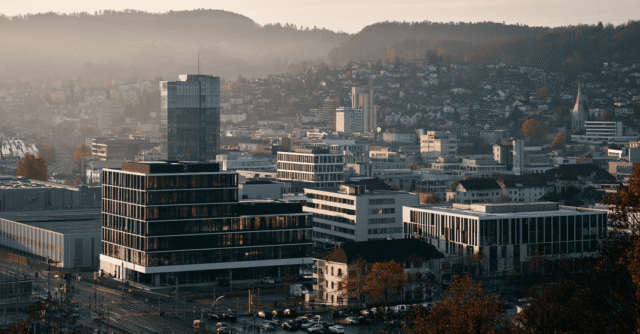
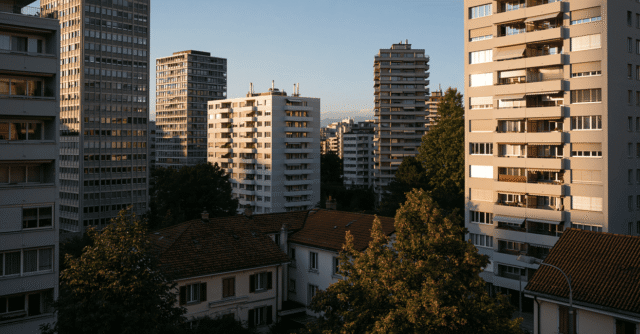
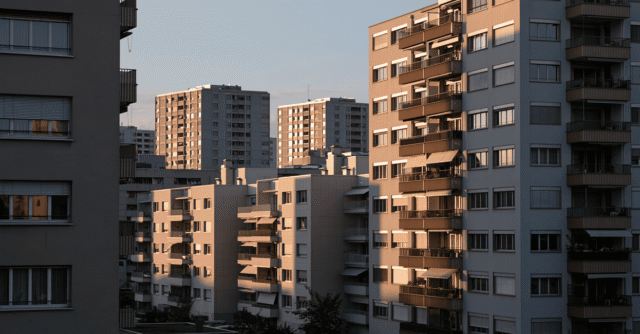
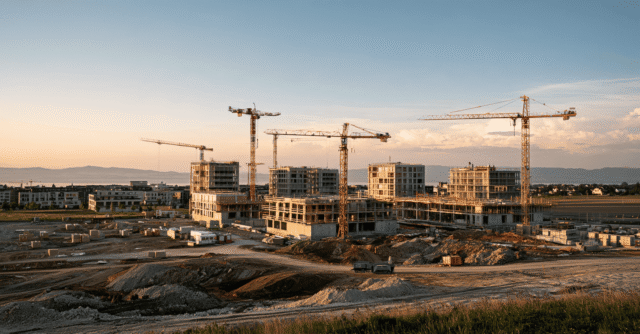
Housing remains in short supply, but lengthy procedures, new regulations, and political uncertainty are hampering development. This is putting increasing pressure on valuations, particularly for new construction and replacement projects, because delays and safety margins directly reduce the

Emmen Will Implement Rüüssegg Starting This Fall
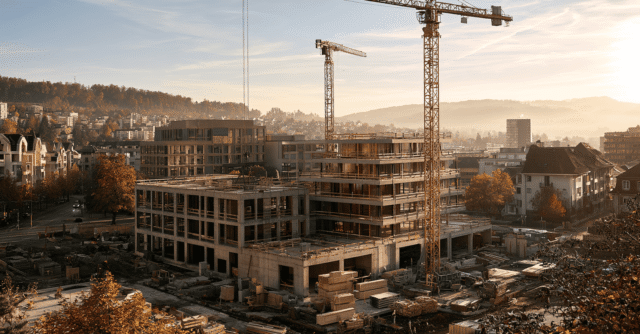
After years of planning and multiple delays, things are finally taking shape. Construction of the Rüüssegg neighborhood—one of the largest residential development projects in northern Lucerne—will begin in the fall of 2026 at Seetalplatz in Emmen. By the end of 2029, 344 apartments and

Biel to Vote on Stricter Housing Regulations
In Biel, two municipal housing initiatives have been submitted with approximately 2,600 signatures. They call for a significant increase in the number of nonprofit and municipal housing units by 2055, as well as mandatory quotas for affordable housing on privately owned

Zurich is driving the market for condominiums
Asking prices for residential real estate continue to rise in Switzerland, but the picture is becoming more uneven. In June 2026, condominium prices nationwide rose by 4.5 percent compared with the previous year. The Zurich region saw particularly strong growth, while single-family homes are

Josef-Areal Remains at the Center of the Dispute Over the Number of Housing Units
On the Josef site in Zurich-West, the city is sticking to its plan for 140 to 170 new affordable housing units following an additional round of planning. Together with 135 senior housing units, this would total up to 305 units—significantly fewer than what politicians and planners had called

Germany’s rental market is outpacing incomes
In major German cities, asking rents have been rising significantly faster than real wages since 2023. At the same time, housing construction fell to 206,600 completions in 2025. This is increasing the pressure on project developers, investors, and cities to provide affordable

350 flats, a high-rise block, a bakery
In Schlieren, a new neighbourhood is taking shape on a former industrial site, offering a glimpse of what urban life in Switzerland might look like in the future. Two projects by the same developer take contrasting approaches that complement each other perfectly. On the one hand: wood, bread and


Zurich Struggles with Housing in Its Existing Stock
The Canton of Zurich expects its population to reach approximately 1.9 million by 2055. However, new zoning designations are not a priority. The main bottlenecks increasingly lie in mobilizing existing reserves, in administrative procedures, and in resistance to

Habeck Strengthens Urban Partners in Germany
Robert Habeck will join Urban Partners effective August 1, 2026. For the Danish urban development investor, this is more than just a personnel change: The company is expanding its presence in Germany and forging closer links between affordable housing, brownfield development, and institutional

Zurich Eases Protection Rules for Historic Buildings
In the future, a building will be considered a historic monument only if it meets at least two of four strict criteria. On July 2, 2026, the Zurich Cantonal Council approved a revision of the Planning and Building Act for submission to the Cantonal Assembly, which will significantly simplify


Zurich is easing restrictions on the old building
The Zurich Cantonal Government is making sweeping changes to a delicate system. In the future, it will be easier to renovate protected buildings; conservatives are celebrating, while the historic preservation society is sounding the alarm. A new tension is emerging between historic heritage and

The more space you have, the less you pay
Same apartment, same square meters, completely different price. A housing cooperative in Lucerne is turning the traditional rental system on its head and rewarding large households instead of those with small budgets. The idea sounds simple, but it strikes a chord that’s resonating throughout the

The City That Blocks Itself
One of Switzerland’s most renowned urban planners is turning her attention to her own hometown. Sibylle Wälty of ETH Zurich accuses Baden of being far too cautious in its construction efforts, even though the city could actually accommodate twice as many people. Her conclusion is clear: the new

Six Demands to Address the Housing Crisis
The Swiss rental housing market is at a standstill. More and more people are unable to find suitable housing, while others remain in apartments that no longer suit their life circumstances. The “Swiss Alliance for Housing” is therefore calling for a clear change of course—away from subsidies

Emmen secures access to the Sonne site
By approving 1.36 million Swiss francs for Gersagstrasse, Emmen is directly linking transport infrastructure improvements with site development. The short section near Gersag railway station remains a bottleneck, yet it is also essential for providing access to the planned ‘Sonne’

54 million for ageing with dignity
With 76.6 per cent of the public voting in favour and a construction loan of 44.3 million Swiss francs, the city is building a completely new care home. On the site of the former, outdated Sandbühl, a building is to be constructed by 2028 that combines housing, care and city life. It is a project


New replacement development combines housing, commercial use and urban regeneration
In Rapperswil-Jona, the redevelopment of the vacant centre on Untere Bahnhofstrasse is set to deliver not only 77 flats and new retail space. The project will also alter the street layout, make a tricky bend safer and promote low-car living in its letting

St. Moritz gets Du Lac back on track
Following the withdrawal of an appeal, St. Moritz can now continue with the construction of the Du Lac residential block, comprising 31 flats for local residents. The case illustrates just how much administrative procedures in tourist destinations under pressure can delay even municipal housing

Zug launches public transport hub with a residential development
Following years of planning, work is now getting underway on an infrastructure project at the An der Aa site in Zug. The new base for the ZVB, the emergency services and the administration will also provide space for around 160 flats from 2031, 40 per cent of which will be affordable

Pregassona fills a gap in the neighbourhood
In Pregassona, Artisa intends to secure the next phase of Parco Ceresio. With the planning application now submitted, the redevelopment of the area between Via Ceresio and Via Maggi is moving closer to realisation, transforming an ongoing residential project into a larger-scale neighbourhood

Niederlenz is tightening up its building zones
On 25 June 2026, the municipality of Niederlenz adopted the revised building and land-use regulations. The core principles are clear: more infill development, denser development in suitable locations, and stricter quality standards for the townscape, open spaces and

Aarau is launching a housing project at the Sauerländerhaus
A planning application for a new development has been submitted for the Laurenzenvorstadt district in Aarau. The plans include 38 flats, two commercial spaces and a car-free open-space concept. The project demonstrates how infill development can be realised in a sensitive historic

Housing preferences and the market are drifting apart
According to the 2026 Dream Home Study, 43 per cent of those surveyed would prefer to live in the countryside, but rising prices, a shortage of properties and high barriers to financing are keeping many in urban centres. The gap is particularly wide among young city

Basel tightens regulations on affordable housing on vacant plots
In future, one third of the residential floor space in large regeneration areas in Basel-Stadt must be offered on a cost-based rent basis on a permanent basis. The government is thus setting out the implementation of the counter-proposal to ‘Basel baut Zukunft’ and bringing forward the relevant

“Freeze the Rent,” a command that has the world sitting up and taking notice
New York is expensive, ruthless, and notoriously unaffordable. Now its new mayor is getting serious. Starting in October 2026, rent increases will be capped at zero percent for nearly one million apartments. It’s a political earthquake and a signal that resonates far beyond the

Wood is on the rise and changing everything
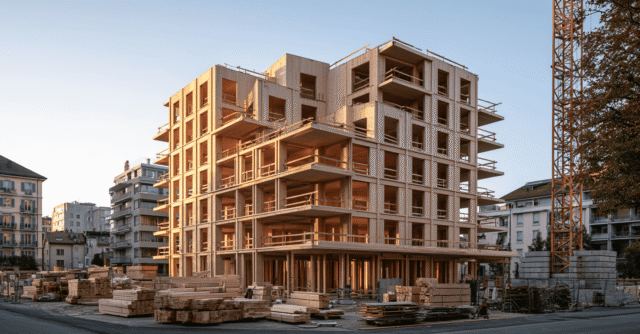
For decades, wood was the material of choice for single-family homes and vacation chalets. Those days are over. In Regensdorf, a 75-meter-tall residential tower made of beech wood and concrete soars into the sky. Starting in 2030, a terminal building made of wood—unique in the world for its

Six billion francs, and the market goes wild
Zurich wants to create affordable housing, but in doing so is driving up prices. How is that possible? It’s quite simple: when the government uses taxpayer money to bid alongside private developers and squeezes out private cooperatives. The NZZ has uncovered this contradiction. It’s