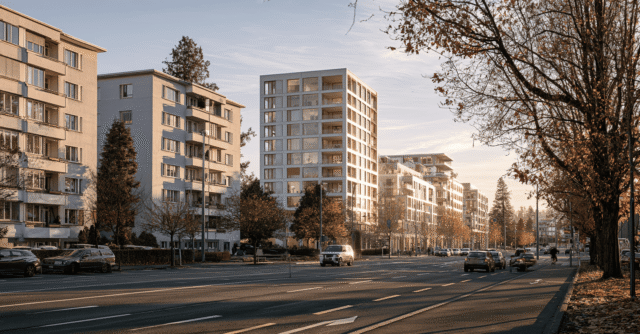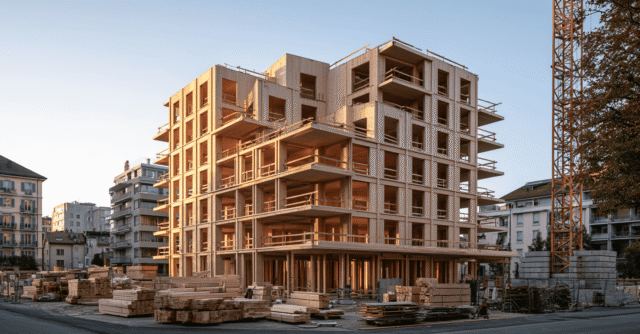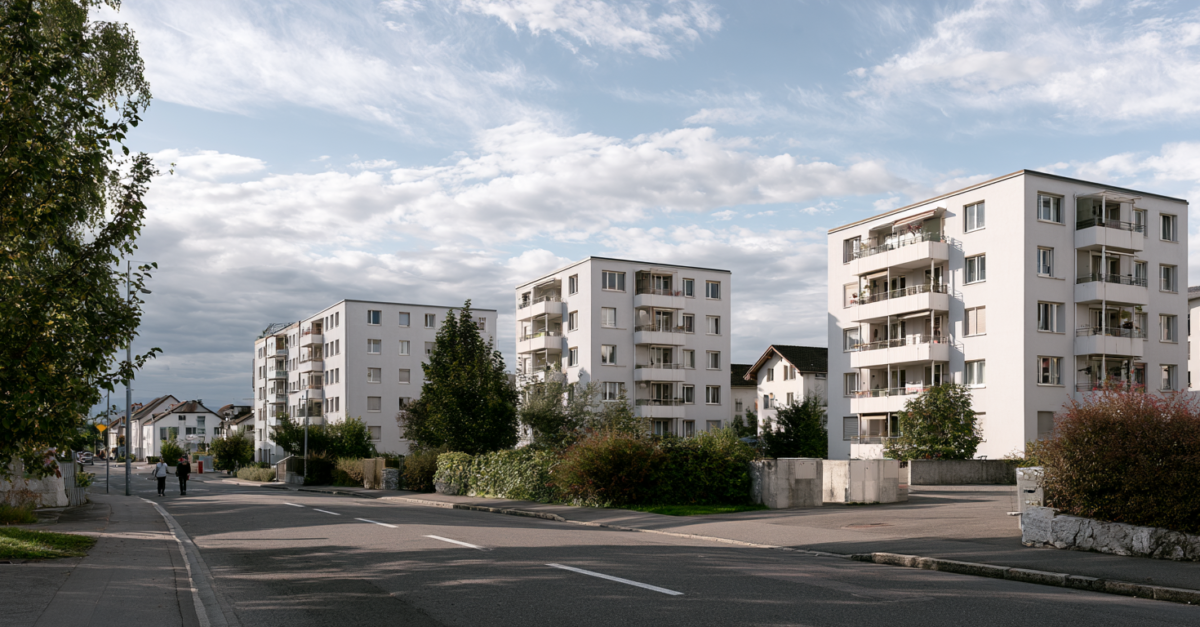

The Alliance brings together industries and associations from the real estate sector that make a decisive contribution to the housing market. Their central concern can be simply stated: without targeted measures to promote housing supply, no additional housing will be created. An estimated 50,000 new apartments are needed each year to meet demand.
Six Specific Demands
The Alliance identifies six areas where change is needed. Procedures must be expedited, the ISOS inventory of architectural heritage must be applied in a more nuanced manner, and the government’s right of first refusal must be restricted. In addition, it calls for a relaxation—rather than a tightening—of rental laws, restrictions on the ability to delay projects through objections, and a halt to the expansion of subsidized housing construction, which otherwise crowds out private investors.
The Numbers Behind the Crisis
The facts speak for themselves. While there were still 74 advertised apartments per 1,000 households per quarter at the end of 2015, that number has now dropped to just 43, according to Wüest Partner. Construction activity is also declining: between 2004 and 2017, 7.3 apartments were built annually per 1,000 residents, but between 2020 and 2024, that number will drop to just 5.5, as a Raiffeisen analysis shows.
A Roadblock to Progress
The length of the approval process, in particular, is a source of frustration. In the canton of Zurich, those seeking to build wait an average of 170 days for a building permit—76 percent longer than in 2010—as noted by the Zürcher Kantonalbank in its publication “Immobilien aktuell.” Although the Federal Council’s Action Plan on Housing Shortages contains some good ideas, and potential deregulations were also discussed at the ISOS roundtable, this is not enough for the Alliance.
The Lock-in Effect as the Core Problem
Many older people remain in apartments that are too large because moving to a smaller one would put them in a worse financial position. These apartments are effectively withdrawn from the market and further exacerbate the shortage. Only through genuine expansion of diverse housing can this bottleneck be resolved and momentum restored to the market.
Private Sector Rather Than the Government
The Alliance is convinced that the public sector cannot provide the solution on its own. Private investors, developers, and civic engagement are needed, while policymakers must establish the right framework conditions. A permanent tightening of rental laws would have the opposite effect of what is intended and further paralyze the market.