
Traffic 45 is reigniting the battle over the tunnels
The federal government has once again placed 45 billion projects in the transport sector on its list of priorities, despite the Federal Audit Office’s sharp criticism of the selection and funding process. The battle over the allocation of funds is intensifying, particularly in relation to the
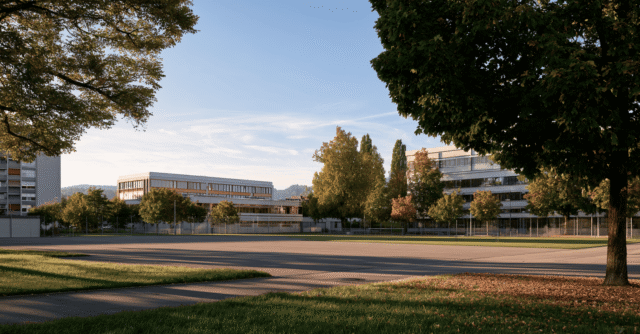
Aarau resolves the Telli dispute with two sites
Aarau is attempting to break the deadlock in the protracted dispute over school premises. Ahead of the local council meeting on 16 November 2026, the town council is entering into a contractual agreement linking the Zelgli site to Telli, thereby making new building projects possible at both
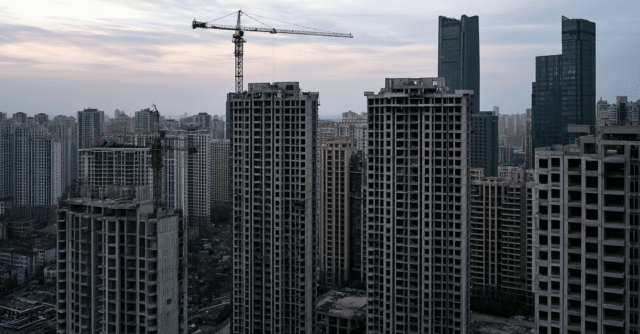
Beijing is cutting off property developers’ lifeline
China is radically tightening the rules on property sales. Since 28 August 2026, pre-sales may only commence once the structural work has been completed, and buyers’ funds and mortgages must remain in escrow accounts. This increases the pressure on private developers and shifts risks further into
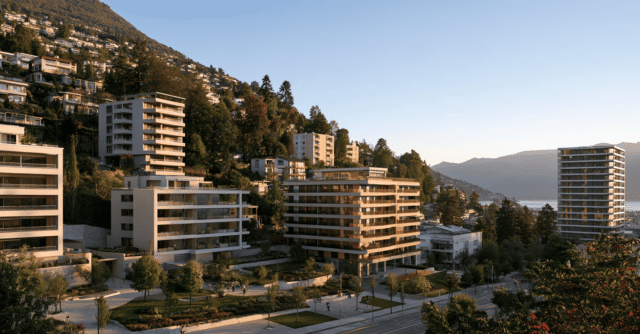
Locarno is attracting affluent families
According to UBS, Locarno in Ticino will continue to be regarded as a prime location for low-income households in 2026. However, the other end of the ranking is politically controversial. For middle-income households, the city now ranks only second, and for high-income households, third. This is
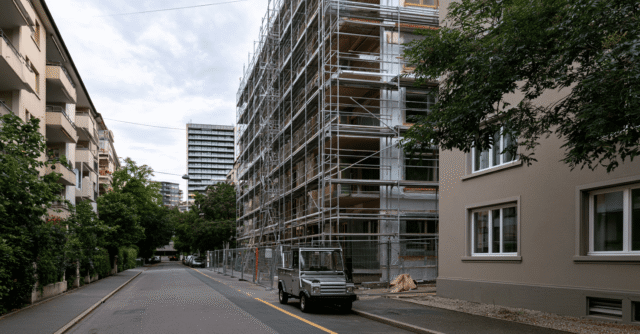
Bern is setting fire to older blocks of flats
Bern is proposing a mandatory refurbishment scheme for energy-inefficient buildings. Anyone currently owning a property with a GEAK rating of E, F or G would be required, depending on the rating, to achieve at least a building envelope rating of D within 10, 15 or 20 years. This will increase the

| 16. Sep 26 - 20. Sep 26 | ArchitekTour Algier |
| 17. Sep 26 | SVIT Bern – Immofuture Day 2026 |
| 21. Sep 26 | Next Generation Studios – Junge Architektinnen formen ihre Büros |

Municipal utilities come under pressure in the AI cyber storm
AI-enabled attacks are moving from theory to operational reality. Following a documented attack on a water supplier in Mexico and the incident involving autonomous agents at Hugging Face, pressure is mounting on operators of critical infrastructure to upgrade their IT and OT security systems more
New shareholdings alter the ownership structure
Mobiliar is significantly scaling back its stake in SMG, paving the way for the TX Group to acquire a holding just below the mandatory bid threshold. At the same time, the free float of the operator of major Swiss property portals is increasing, as SMG itself is buying back nearly one million of
Geroldswil overtakes the Gold Coast
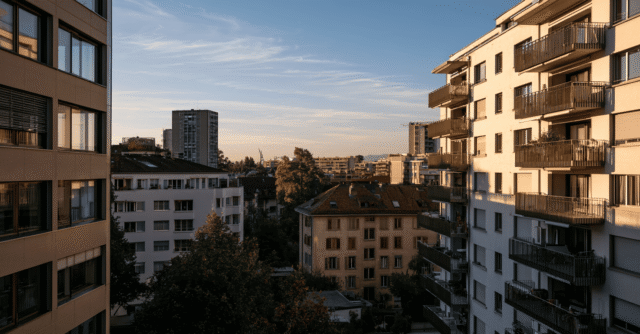
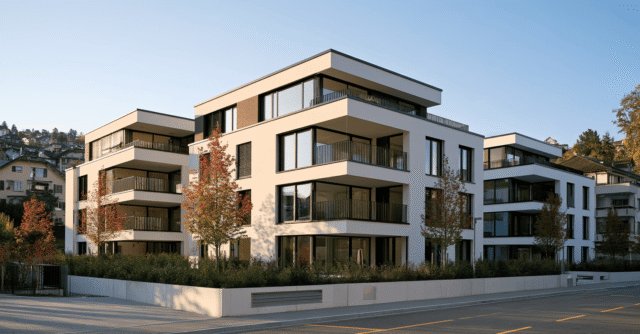
In the canton of Zurich, advertised rents have fallen by 3.3 per cent over the past year to 2,340 francs. This offers little relief, as the vacancy rate remains at just 0.48 per cent and, of all places, Geroldswil now tops the cantonal rent rankings due to expensive new-build
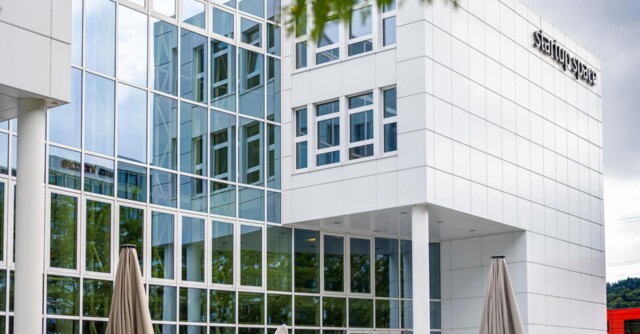
A platform for entrepreneurs in the Limmat Valley
Anyone investing in business locations in 2026 is looking for platforms, not square metres. Spaces with a diverse mix of tenants, event facilities, an active community and links to a high-performance hub. In the Limmat Valley, startup space has been fulfilling this role for ten years. Etoy will
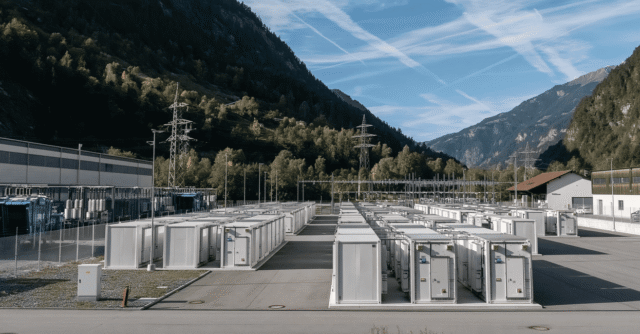
Uri Powers Up the Energy Transition
Switzerland’s largest battery storage facility is currently in operation in Gurtnellen. Axpo and energieUri have installed two large, adjacent batteries in the Plattischachen industrial park with a combined capacity of 58.4 megawatts. The facility can store excess electricity and feed it back
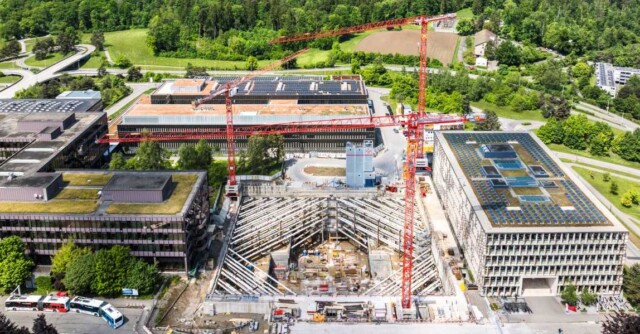
A Building for the Almost Invisible
ETH Zurich isn’t just building a new physics building on the Hönggerberg. It’s constructing a controlled environment deep underground. The HPQ is designed to enable high-precision research in which even the slightest vibrations, magnetic fields, or temperature fluctuations can skew
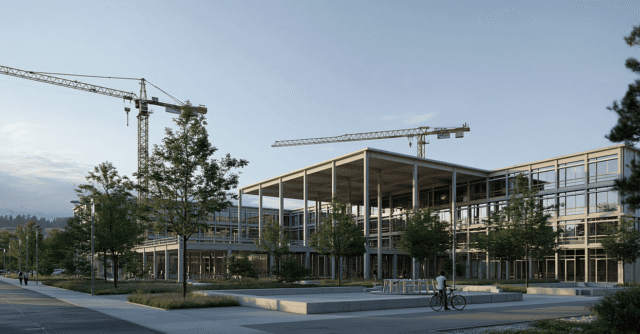
568 million for a new educational universe
The Horw Campus is entering a decisive phase. With the submission of the building permit application and the founding of Immobilien Campus Luzern-Horw AG, a long-planned vision is becoming a concrete construction project. The new campus brings together technology, architecture, and education. With
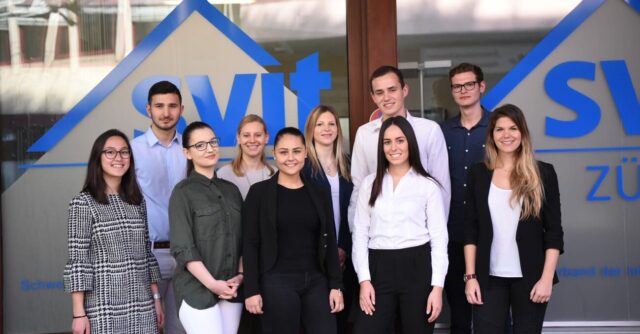
10 Years of SVIT Young Zurich
Zurich, 2026 – SVIT Young Zurich celebrated its tenth anniversary on September 11. What began in 2015 as a workshop for apprentices and young employees has evolved into a well-established platform for fostering young talent, professional development, and networking within Zurich’s real estate

Running for Future Generations
On October 29 and 30, the real estate industry will once again be running for more than just its own fitness. The 12th Global Real Estate Run combines physical activity, team spirit, and the industry’s commitment to being generation-friendly. Anyone who jogs or walks six kilometers turns their

New white paper: ‘Energy-efficient renovation as an opportunity’
Building renovations offer an opportunity to make properties more energy-efficient, improve living conditions and sustainably increase value. The new white paper ‘Energy-efficient renovations’ shows readers how to go about it and highlights worthwhile strategies and
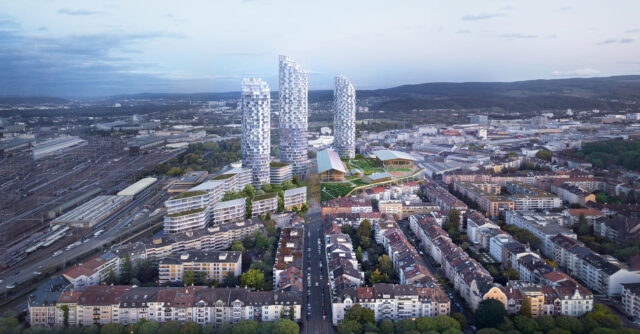
Three Towers for Dreispitz Nord in Basel
Basel has paved the way for one of its most striking urban development projects. The Grand Council approved the zoning change and development plan for Dreispitz Nord by a vote of 83 to 3, with four abstentions. The current commercial and parking lot area is set to be transformed into a development
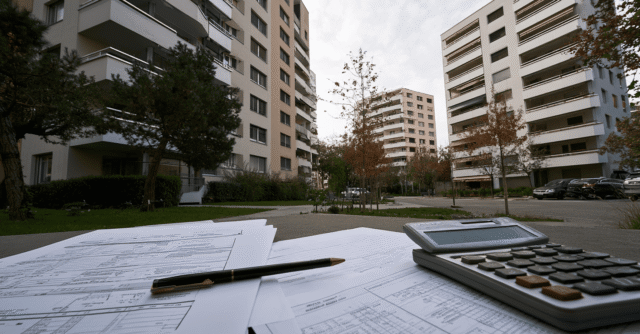
Rent control initiative threatens to bring more regulation rather than more housing
Bern formally approved the rent control initiative on 13 August 2026. The initiative aims to link rents more closely to costs and returns, and to have them reviewed on a regular basis. For landlords, property managers and developers, this means, above all, increased regulatory pressure, whilst the
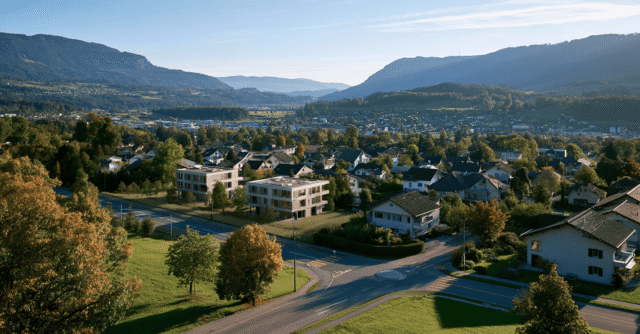
Gisikon can push through its local development plan despite the appeal
Gisikon has now completed the crucial planning stage. The Lucerne Cantonal Government has approved the comprehensive revision of the local development plan, even though an administrative appeal was partially upheld and led to amendments. For landowners and project developers, what matters now is

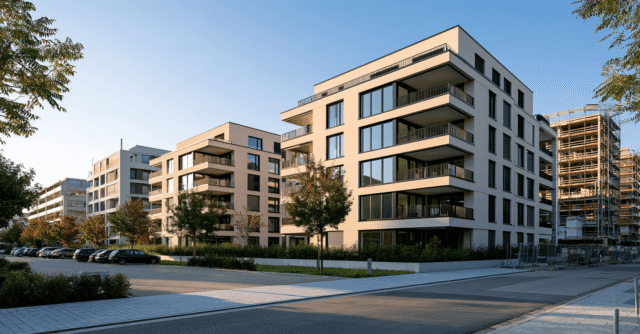
Akara continues to expand and is maintaining a stable return
215 million Swiss francs of fresh capital, seven acquisitions, and yet no jump in returns. The Akara Diversity PK property fund maintained its investment return at 2.56 per cent in the first half of 2026 and expanded its portfolio to 3.32 billion Swiss
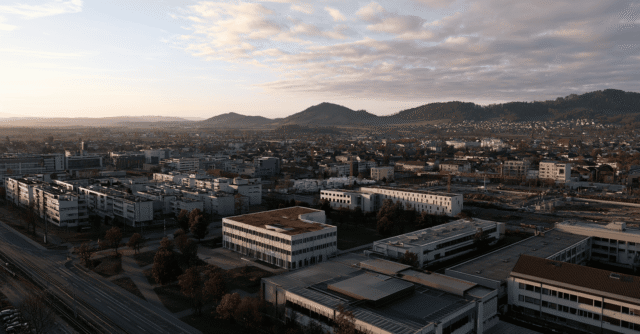
Local authorities see finances as their biggest challenge
Swiss municipalities and towns cite finances as their greatest strategic concern. Spatial planning and staffing follow closely behind. For construction, development and municipal property, this means more conflicting priorities between investment, growth and limited scope for
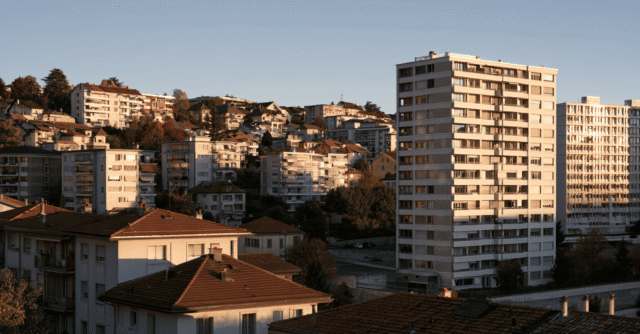
Lausanne plans to spend 200 million on property purchases
Lausanne is sticking to a policy of large-scale property purchases. The 2025 budget documents once again include a budget of 200 million Swiss francs for the right of first refusal for the period 2027 to 2031. Whilst this measure can help secure affordable housing stock, it does not, as a rule,

Thurgau uploads planning applications to the portal
In Thurgau, the building permit process is set to go digital. To this end, the cantonal government is putting forward amendments to the law and regulations for consultation until 11 December 2026. For local authorities, planners and building owners, this will involve new procedures, digital legal
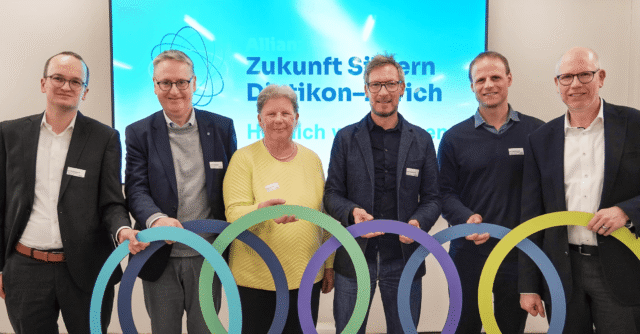
A sector is reinventing itself
The Silbern site in Dietikon is a thriving business and shopping district in the heart of the Limmat Valley. For a long time, however, the site lacked coordinated dialogue between the various stakeholders. Whilst other business hubs in the region were catching up, Silbern was treading water. Now,

North-western Swiss fund seeks fresh capital
A portfolio worth 181.2 million Swiss francs, total comprehensive income of 3.6 million Swiss francs, and now the next step. The sustainable property fund run by BLKB’s fund subsidiary plans to raise new equity capital in the fourth quarter of 2026 to finance further acquisitions and repay

Zurich’s affordable flats are coming under pressure from rising wages
18 percent of the Zurich city flats inspected exceed the income threshold, but under current law, any consequences will not be felt until later. This is precisely where two motions tabled on 19 August 2026 come in. They call for higher rents for higher earners and an end to the 15 per cent

Schwyz removes key areas from its landscape plan
The canton of Schwyz is proceeding with its landscape strategy without the controversial key areas. This removes a sensitive point of contention from the forthcoming revision of the structure plan, although the strategy is still intended to apply to planning and construction projects as well as to

Commercial property fund pools 4.8 billion Swiss francs
UBS plans to merge its commercial property funds, Swissreal and Interswiss, by the end of 2026. The aim is to create a listed fund comprising around 140 properties and assets totalling 4.8 billion Swiss francs, whilst the final terms of the transaction are not expected to be finalised until