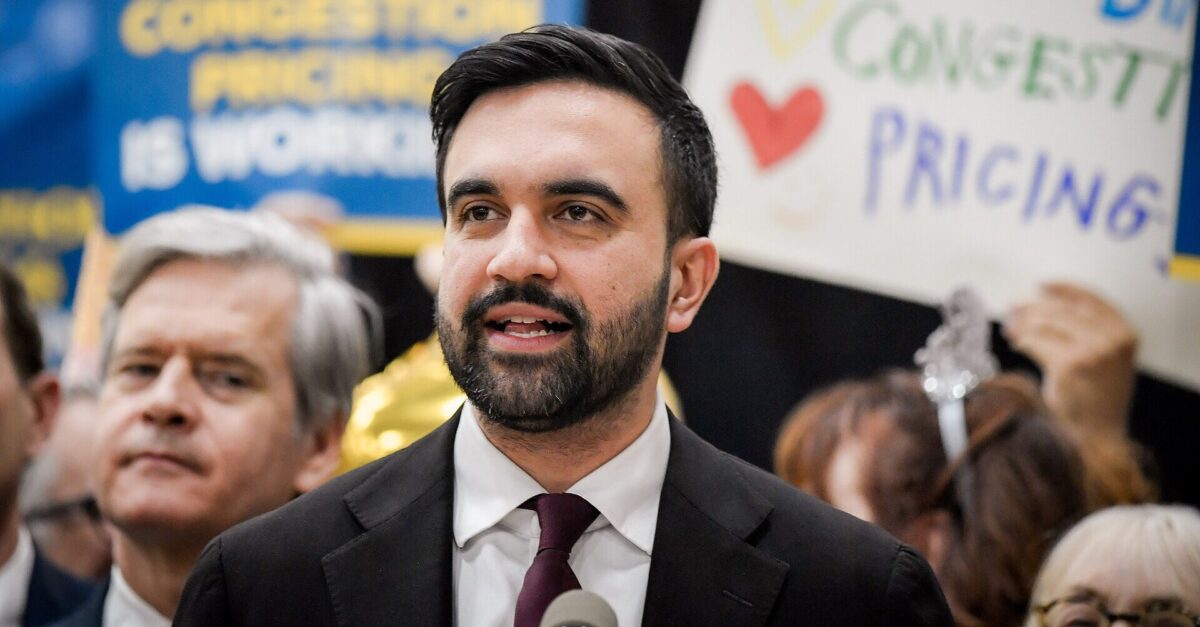
During his campaign, Zohran Mamdani waded into the waves off Coney Island wearing a suit. His slogan was as simple as it was provocative: “Freeze the Rent.” He has been mayor of New York since early 2026, and on June 26, the city’s Rent Guidelines Board decided to do just that: a zero-percent increase for one- and two-year leases between October 2026 and September 2027.
The Rent Guidelines Board had already implemented such freezes under former Mayor Bill de Blasio, but subsequently allowed moderate increases of 3 to 4.5 percent under Eric Adams. Mamdani is now returning to a hard line and calling it “a historic victory for tenants.”
Who benefits, and who doesn’t
The decision applies exclusively to so-called “rent-stabilized” apartments—that is, those for which the city regulates permissible rent increases. These account for about one million of the more than two million rental apartments in New York. The other half is subject to the free market, where the rent freeze does not apply.
At the same time, the State of New York has had another law in effect since October 2025 that bans the use of algorithmic software for setting rent. Statewide, such programs had cost tenants an additional $3.8 billion in 2024.
Europe is familiar with the principle
Rent regulation is not an American phenomenon. In Germany, a rent cap has been in effect since 2015, which is considered one of the most stringent regulations in Europe. Vienna relies on a system of subsidized municipal housing that dates back decades. And in Switzerland, the mortgage reference rate determines how much landlords are allowed to adjust the rent.
Currently, the Swiss reference interest rate stands at 1.25 percent, stable since September 2025 and confirmed as of June 2026. Anyone whose lease is still based on a reference interest rate of 1.5 percent or higher can, in principle, demand a rent reduction. The Swiss model is less flashy than New York’s headlines, but it operates on the same principle: government-imposed limits on returns at the expense of housing supply.
Rent freezes are popular and politically effective. Whether they create more housing in the long term is a matter of debate. Investors avoid regulated markets, and supply remains scarce. New York shows that when political pressure is strong enough, regulation prevails—even in the world’s toughest real estate market. The question is not whether, but how long.