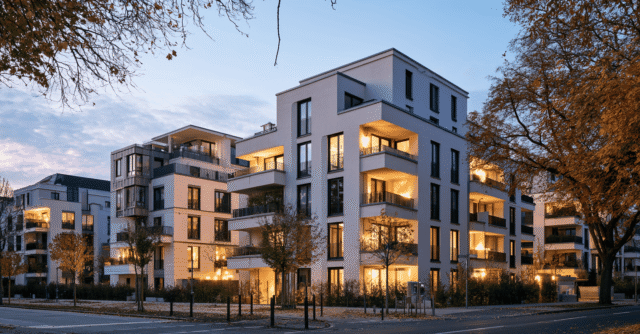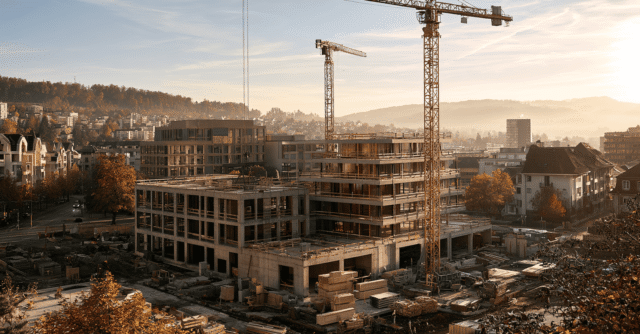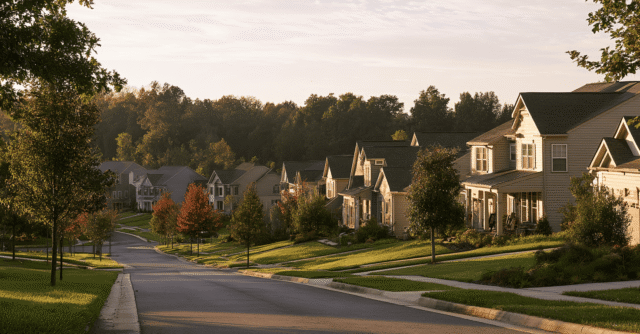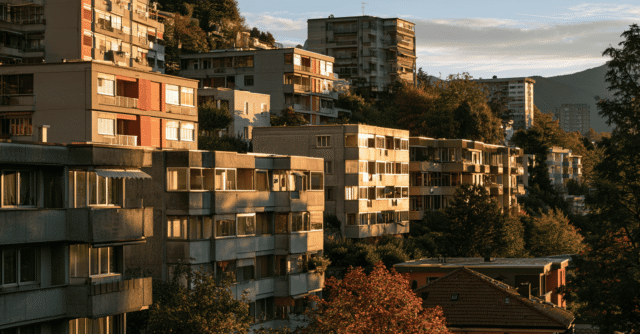

The Swiss residential real estate market continues to gain momentum, though growth is no longer uniform. In June 2026, asking prices for condominiums nationwide rose to 9,526.3 francs per square meter, up 4.5 percent from the previous year. For single-family homes, the figure rose year-over-year to 8,011.7 Swiss francs per square meter, though the increase was smaller at 3.1 percent.
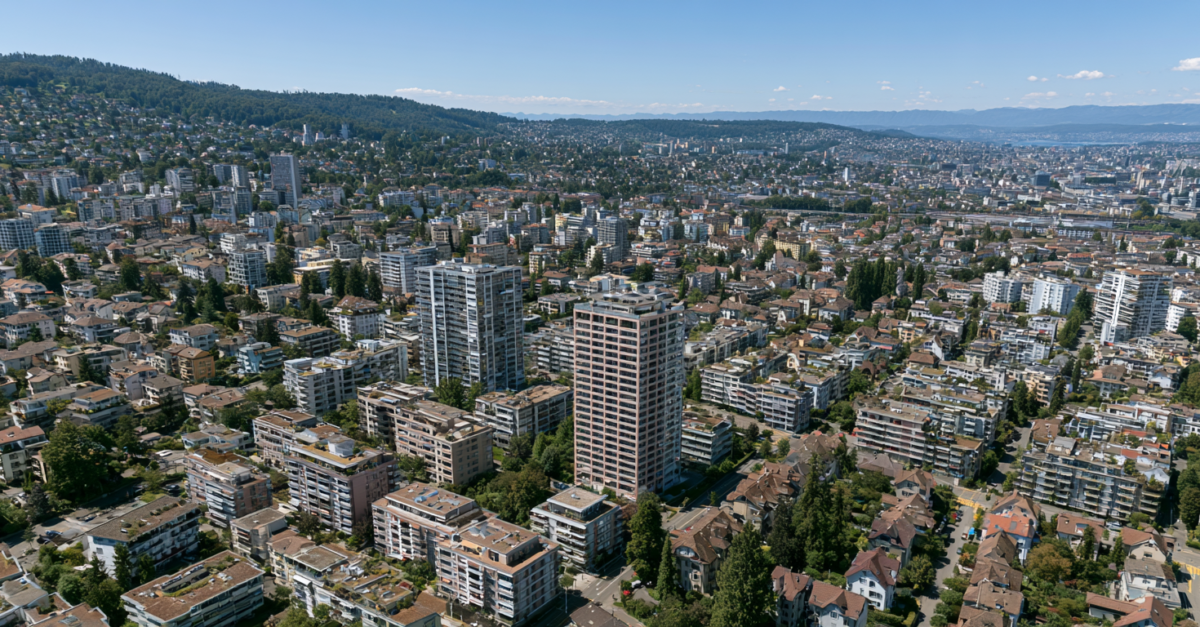
The Zurich region stands out in particular. There, asking prices for condominiums rose by 2.3 percent compared to the previous month—a stronger increase than in any other major region. For single-family homes, Zurich also saw a month-over-month increase, while other regions were already showing a decline.
Zurich Sets the Pace
The latest shifts reveal a market that is becoming more differentiated within the residential property sector. While prices for condominiums in Central Switzerland, Northwestern Switzerland, Ticino, and the Lake Geneva region also rose, Zurich’s figures clearly stood out. In Eastern Switzerland and the Mittelland, however, asking prices for apartments fell slightly. For project developers, owners, and marketers, this means that excess demand remains evident nationwide, but price momentum is concentrated more strongly in urban and high-income areas.
The trend for single-family homes is more cautious. Nationally, the monthly figure for June was virtually stable at plus 0.1 percent. In Central Switzerland, the decline was significant at minus 3.2 percent; figures were also lower than the previous month in the Mittelland and in Northwestern Switzerland. This does not indicate a broad price slide, but rather a market in which willingness to pay and product segments no longer move in lockstep everywhere.
Tight supply supports prices
Price dynamics are meeting an environment that continues to support the market. Available data show a persistently low vacancy rate. In June 2025, approximately 48,500 apartments stood vacant across Switzerland, representing 1.00 percent of the housing stock. Supply remained particularly tight in Geneva, Zug, and Zurich. At the same time, financing costs remained low through mid-2025 following interest rate cuts, even though interest rates have recently stabilized somewhat. This keeps homeownership attractive for solvent households, although the barriers to purchase remain high.
For the real estate industry, regional variation is particularly crucial. Zurich is reaffirming its role as a price driver in the condominium market. For developers, this increases pressure on land prices and cost calculations. For prospective buyers, access to expensive locations is becoming even more challenging. And for the market as a whole, as long as supply remains tight, upward pressure on apartment prices is more likely to continue than on single-family homes.