
When Solar Roofs Become a Cyber Risk
Photovoltaics have become indispensable to Switzerland’s electricity supply. At the same time, every new grid-connected system creates a new digital vulnerability. An analysis by the National Cybersecurity Testing Institute shows that the risk does not lie primarily with individual rooftops. It
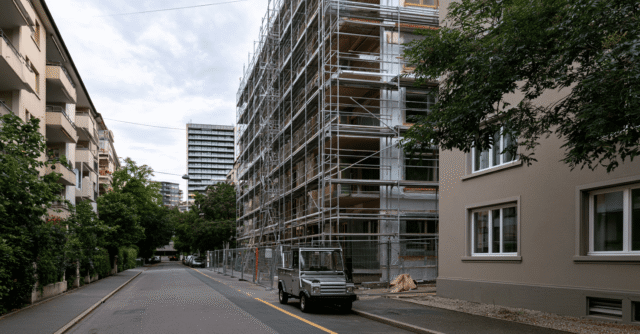
Bern is setting fire to older blocks of flats
Bern is proposing a mandatory refurbishment scheme for energy-inefficient buildings. Anyone currently owning a property with a GEAK rating of E, F or G would be required, depending on the rating, to achieve at least a building envelope rating of D within 10, 15 or 20 years. This will increase the

Municipal utilities come under pressure in the AI cyber storm
AI-enabled attacks are moving from theory to operational reality. Following a documented attack on a water supplier in Mexico and the incident involving autonomous agents at Hugging Face, pressure is mounting on operators of critical infrastructure to upgrade their IT and OT security systems more
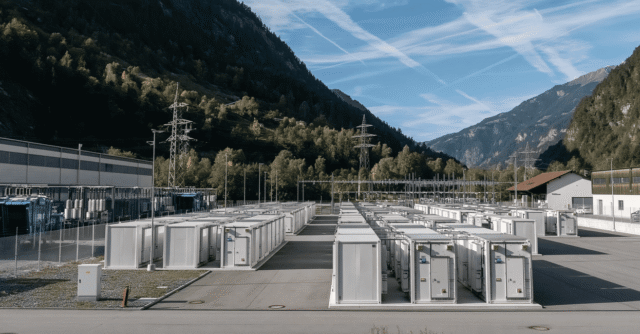
Uri Powers Up the Energy Transition
Switzerland’s largest battery storage facility is currently in operation in Gurtnellen. Axpo and energieUri have installed two large, adjacent batteries in the Plattischachen industrial park with a combined capacity of 58.4 megawatts. The facility can store excess electricity and feed it back

New white paper: ‘Energy-efficient renovation as an opportunity’
Building renovations offer an opportunity to make properties more energy-efficient, improve living conditions and sustainably increase value. The new white paper ‘Energy-efficient renovations’ shows readers how to go about it and highlights worthwhile strategies and
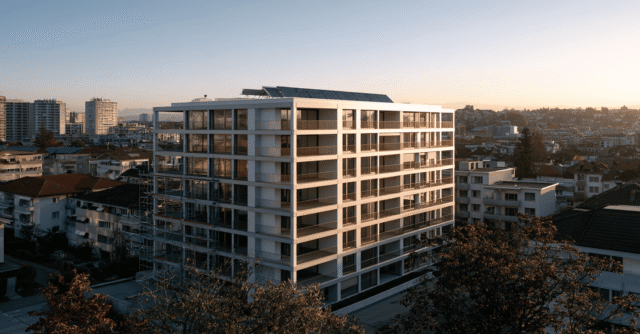
Old buildings in Bern are under pressure to be refurbished
Bern is driving forward the debate on a mandatory refurbishment requirement for inefficient older buildings. On 2 September 2026, the Federal Council approved a report outlining binding deadlines for achieving GEAK Class D via cantonal energy laws. Whether this will amount to more than just a

| 23. September 26 - 30. September 26 | Gute Projekte. Schlechte Margen? Warum viele Planungsbüros viel leisten – und trotzdem kämpfen. |
| 28. September 26 | Immobilien vermarkten im digitalen Zeitalter |
| 29. September 26 | 10th EESC Liberal Professions Day: Conference – Preparedness in the EU: the role of the liberal professions |
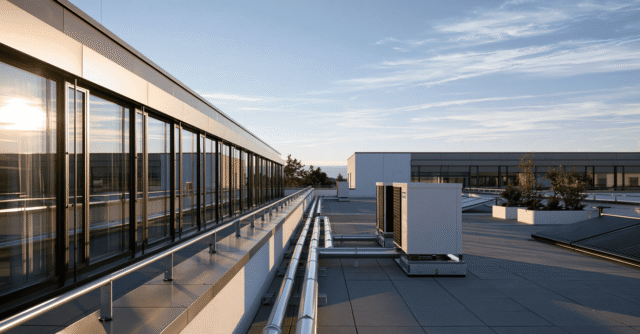
Starting in 2027, heating will be planned differently
Heat pumps are considered key to the energy transition. But starting in 2027, a system’s sustainability will depend on more than just its efficiency. Refrigerants are also taking center stage. New Swiss regulations are further restricting climate-impacting substances, thereby changing planning,
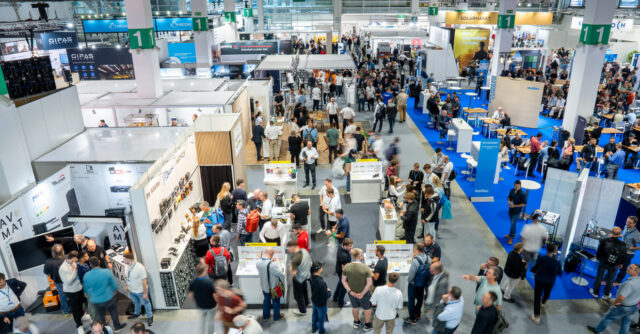
The electronics industry is meeting tomorrow
Tomorrow, Wednesday, ineltec 2026 opens its doors at Messe Zürich. For two days, it will serve as a compact gathering place for the Swiss electrical industry. 209 exhibitors will showcase how electrical engineering, energy, lighting, mobility, and digitalization are converging in buildings. The
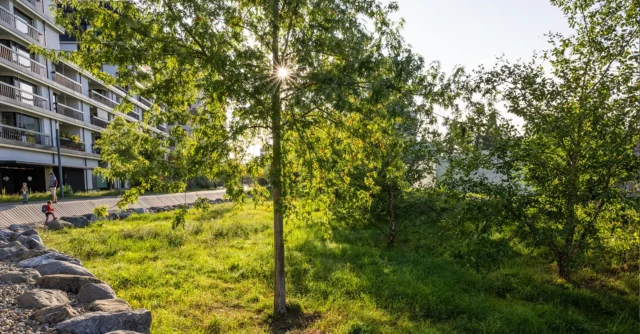
Ten years that have transformed the Limmat Valley
The streets are flooded, the tarmac is sizzling, and the sewerage system is at breaking point. What sounds like a state of emergency is becoming the norm if nothing is done. The water research institute Eawag and the Limeco wastewater association are jointly setting up a real-world laboratory

Locarno is digitally reorganising 70 buildings
Locarno is transitioning its municipal building stock to a digital database. This will enable more than 70 properties to be compared in terms of their condition, energy requirements and investment needs. As a result, the focus for refurbishments and budgets is shifting from individual decisions to

Lighting: A malfunction is the worst possible time to make an investment decision
The federal government allocates up to 70 million Swiss francs annually for energy efficiency measures—but in 2025, only a little over a third of that amount was utilized. The reason is rarely a lack of interest. Rather, it is because most property owners and managers do not address their
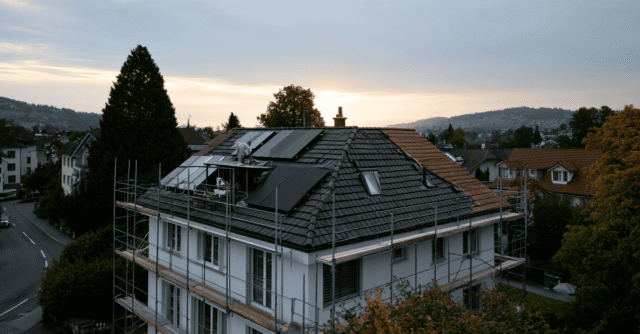
Lucerne blocks plans to phase out solar roofs
In the canton of Lucerne, the solar panel requirement for roof renovations is only due to come into force on 1 March 2025 and is already under fire again. The cantonal government is now standing its ground and does not intend to water down the requirement, despite criticism regarding costs, the
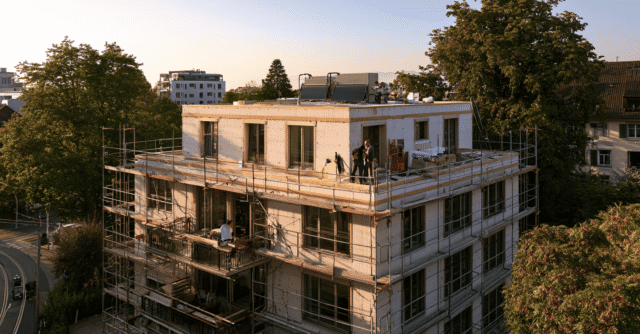
636 million are driving the renovation forward
In 2025, the federal government and the cantons committed a total of 636.4 million Swiss francs to energy-efficiency measures for buildings. This boost comes not only from the existing building program but also from the new stimulus program, which primarily supports larger heating system
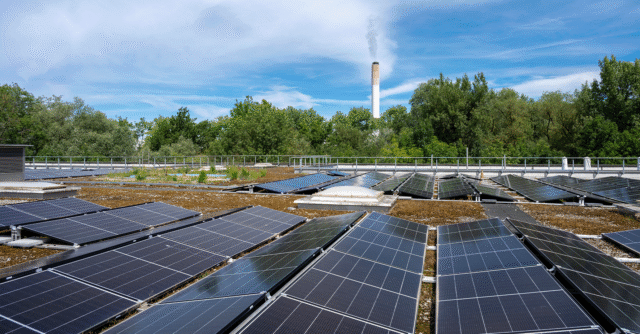
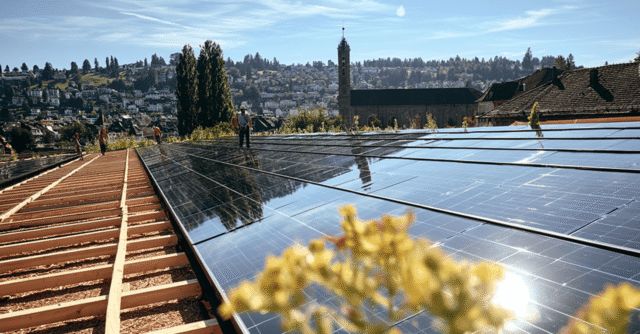
Lucerne Fights to Preserve Its Roofs
A renovated roof is more than just a new covering. It is a decision about energy, property, and the future value of a real estate asset. In the canton of Lucerne, this very issue has become a political flashpoint. No sooner had the solar mandate gone into effect than a motion was introduced calling
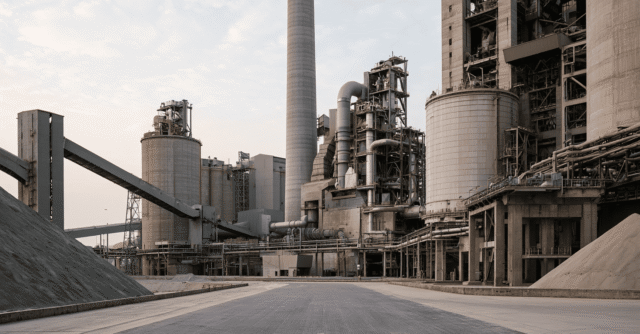
Concrete Gets a Way Out
Cement supports cities, bridges, and buildings. At the same time, its production is one of the world’s largest industrial sources of CO₂. The bottleneck lies deep within the combustion process and can hardly be resolved with green electricity alone. A new pilot plant from Holcim Germany now

The facade becomes a power plant
A glass facade provides protection, opens up spaces, and lets in natural light. Until now, it has mostly remained passive in terms of energy. Now, semitransparent organic PV modules are demonstrating that it can also generate electricity in the future. The decisive step lies not only in the cell


Zeiningen Opens the Gate to the Salt Field
In Zeiningen, the cantonal land-use plan for the Nordfeld salt mining area has been available for public review since August 18, 2026. Those affected have until September 16 to file objections. This marks the next phase of a planning process—binding on landowners—for drilling sites, pipelines,
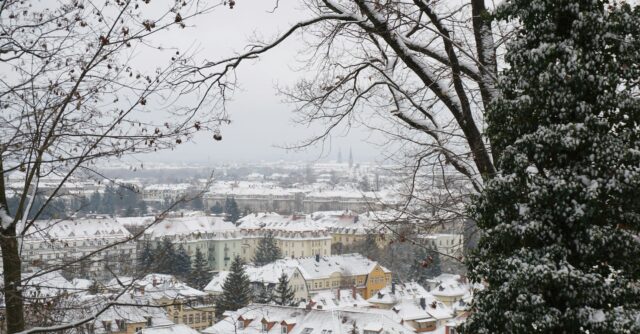
The location determines whether to use a heat pump or the utility grid
The debate over the future of heating is often driven by ideology. Municipal heating plans in Germany now paint a much more realistic picture. Heat pumps and district heating networks are expected to collectively meet just under four-fifths of heating demand by 2045. In the target scenarios
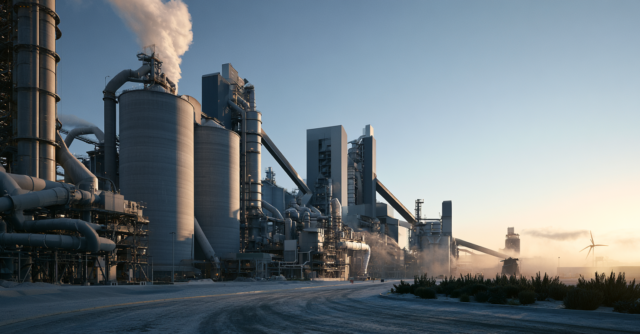
Cement Can Suddenly Absorb CO₂
Cement is one of the world’s major contributors to climate change. Yet, ironically, the very industry with the heaviest carbon footprint could help remove carbon dioxide from the atmosphere in the future. Researchers at ETH Zurich are demonstrating how cement plants can be integrated with direct
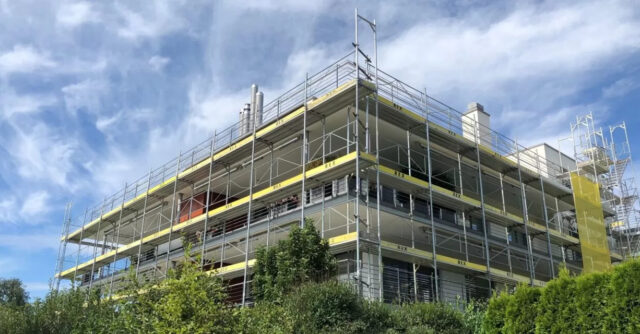
The imputed rental value is gone, but the dispute remains
The imputed rental value is being phased out. But in Zurich, this is just the beginning of the next conflict. At the heart of the matter are heat pumps, solar roofs, and insulated facades. The canton must decide whether to continue offering tax incentives for climate-friendly renovations or to
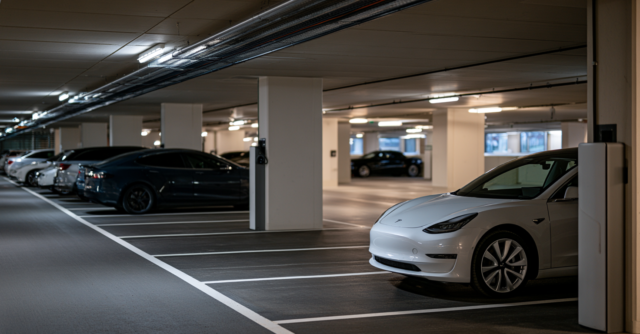
Charging regulations are putting pressure on residential buildings
Bern is taking action regarding garages and multi-storey car parks. The Federal Council wants to oblige owners of residential properties to install the basic infrastructure for charging electric cars upon request. This is precisely what has now sparked a dispute over costs, responsibilities and
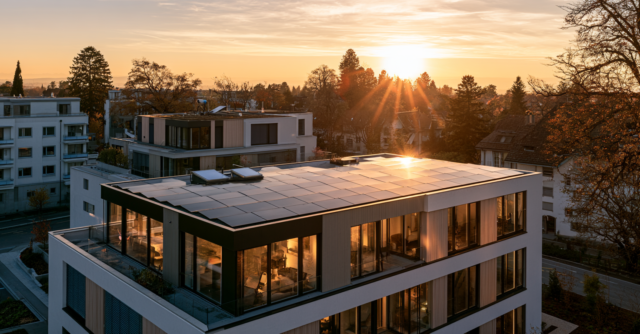
Bern Cuts Electricity Costs and Tests New Load Management Measures
For households on BKW’s basic service plan, electricity will become even more affordable in 2027. According to the company, for an annual consumption of 4,500 kilowatt-hours, the bill will decrease by about 95 francs per year. At the same time, a voluntary grid tariff will be introduced, offering
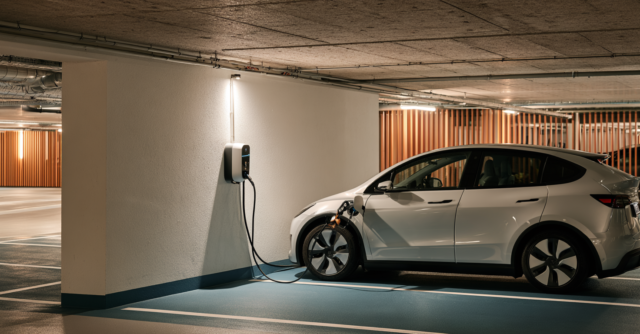
A Parking Space Becomes a Political Issue
An electric car spends most of its time parked. That’s exactly when it should be able to charge—at home or at work. But for many renters and condominium owners, this simple idea hits a wall in the garage. The Federal Council now wants to change that, thereby sparking a conflict that goes far
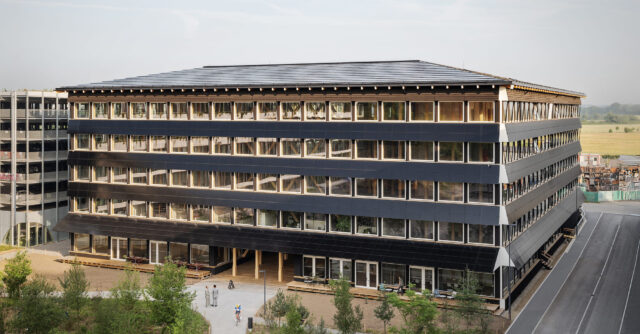
37 degrees outside, 25 inside—no trick
The summer heat takes its toll on roofs, facades, and workplaces. Indoors, people find it harder to concentrate, energy consumption rises, and the desire for air conditioning grows. But buildings can do more than just combat the heat. They can absorb it, store it, and effectively slow its
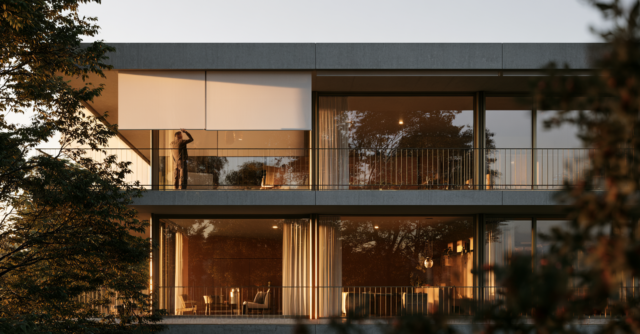
Minergie, but still too hot
A good energy label should protect against the summer heat, not give in to it. More and more residents of Minergie buildings are complaining that their apartments heat up to 28 to 29 degrees despite strict standards. The Minergie Association is now responding by considering a possible tightening of
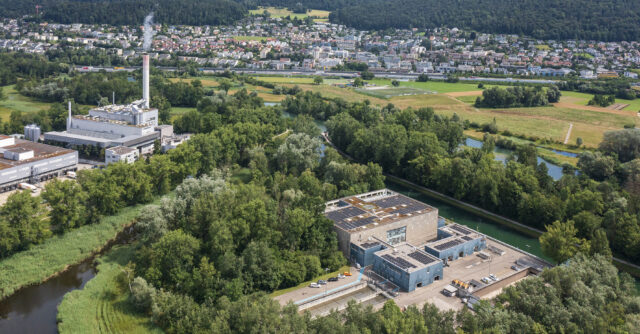
The Limmat Valley Is Building Its Future
Six years of dialogue, two white papers, an architectural competition featuring six teams—and now the design plan is on the table. The Limmattal Energy Center (LEZ) is no longer just a promise. It is a project that will shape Dietikon and the Limmattal for generations to come. Anyone who wants to
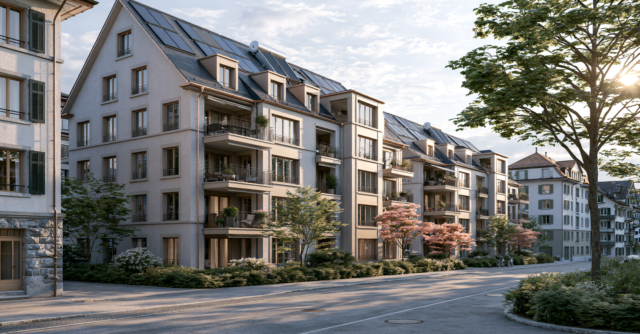
Buildings continue to drive down CO₂ emissions
Switzerland once again reduced its CO₂ emissions in 2025. Emissions from fuels fell particularly sharply, by about 5 percent. This is a clear signal for the real estate sector, as more efficient buildings and an increase in renewable heating systems were, according to the federal government, the
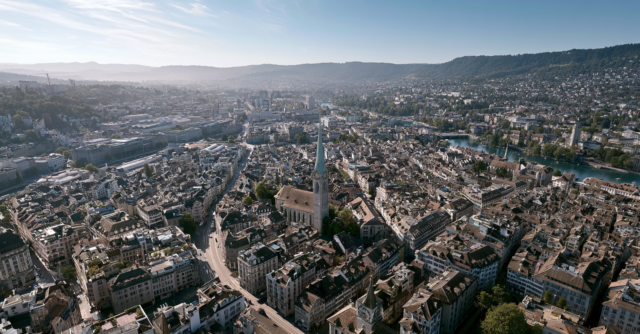
Zurich Plans to Phase Out Natural Gas in the City Center
Zurich plans to decommission the gas distribution network between Hauptbahnhof and Bürkliplatz between 2033 and 2035, depending on the situation. This increases the pressure on approximately 500 buildings to switch their heating and cooking systems to the CoolCity lake water network or other