
Belgrade Becomes a Stage for Switzerland
In 2027, Switzerland will not be traveling to Belgrade with a traditional exhibition. Instead, it aims to get people moving, facilitate encounters, and make the future a shared experience. The Swiss Pavilion is being designed by the Zurich-based creative agency JEFF in collaboration with Bellprat

Starting in 2027, heating will be planned differently
Heat pumps are considered key to the energy transition. But starting in 2027, a system’s sustainability will depend on more than just its efficiency. Refrigerants are also taking center stage. New Swiss regulations are further restricting climate-impacting substances, thereby changing planning,

Thun Nord doesn’t just build apartments
Thun Nord was set to evolve from an industrial and military area into a diverse neighborhood. Now, the federal government is setting a new guideline: the military base’s land will remain reserved for the army and national defense. The space that was expected to be used for civilian development
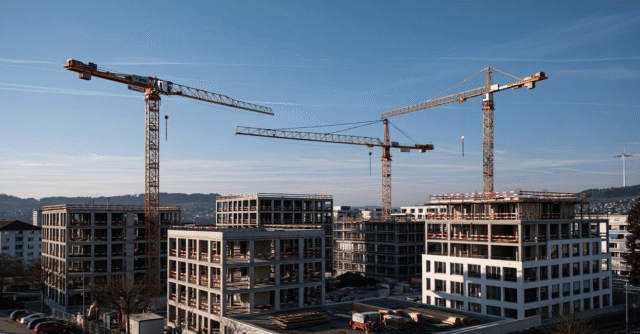
48,000 apartments, and yet progress is still too slow
The Swiss construction industry gained momentum in the first half of 2026. Building construction is growing strongly, driven by residential construction and public projects. But behind the positive figures lies a structural problem. Contracts are in place, but planning, permits, objections, and
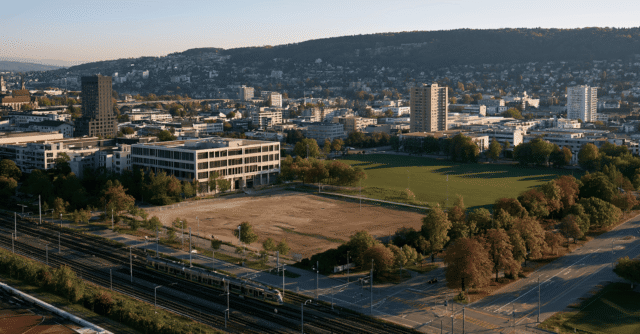
Münchenstein is making a fresh start in the blocked-off neighbourhood
Development of a large residential estate on the Van Baerle site in Münchenstein is getting back on track. Five years after the referendum result – a ‘no’ vote by a margin of just ten votes – the site has been redeveloped, but a new neighbourhood plan is only just getting off the ground
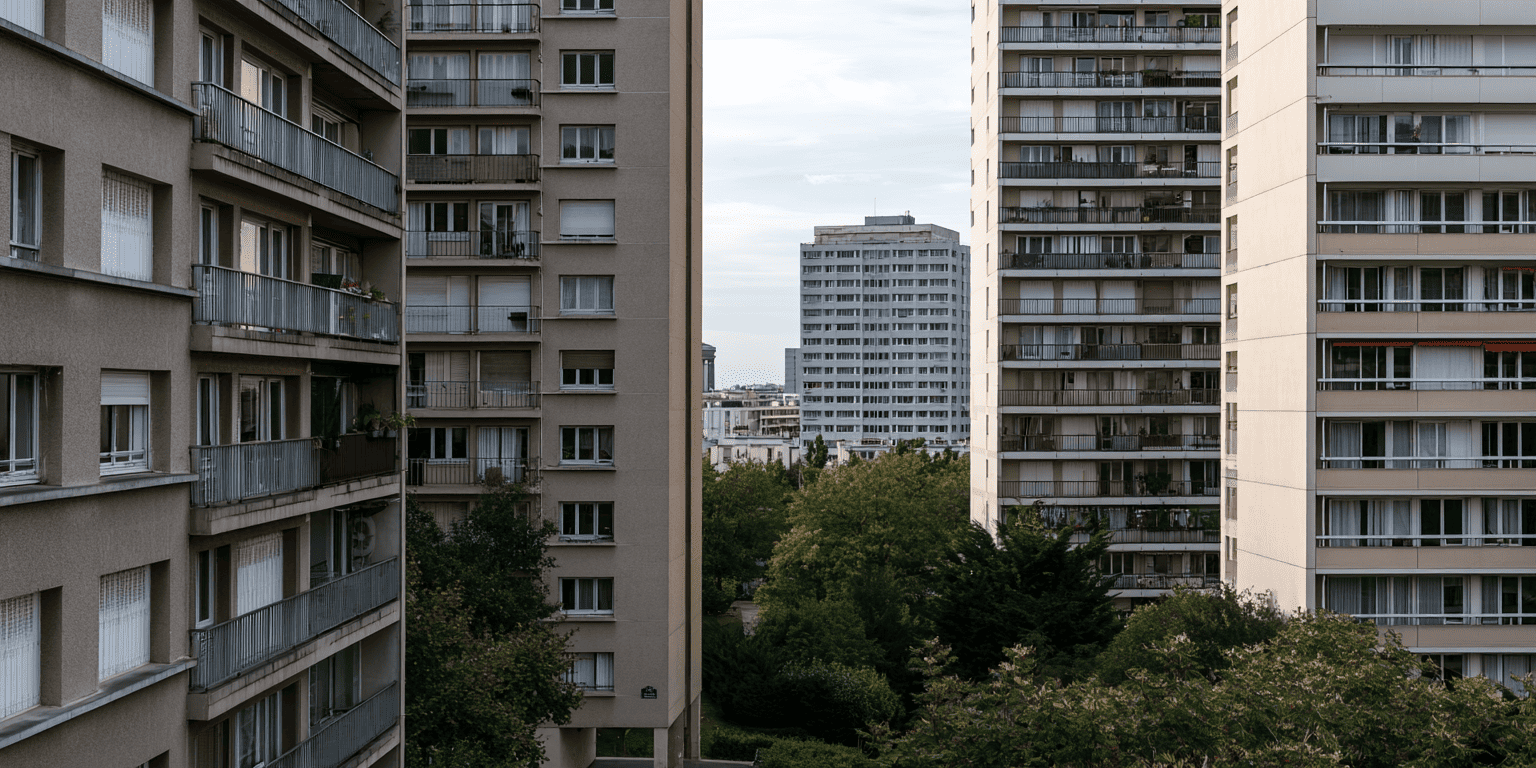
France’s election campaign is putting the brakes on rent-to-buy schemes
France’s landlords in slow motion. A recent survey shows that one in three French people are bringing forward or postponing their property purchase for rental purposes, depending on the outcome of the 2027 presidential election. There is more to this than mere nervousness. Uncertainty surrounding

| 22. September 26 | Journées de la Technique 2026 |
| 22. September 26 | Umsetzung des neuen Merkblatts SIA 2066:2025 in die Praxis |
| 22. September 26 | Claranet lädt ein: Forum Digitale Souveränität & Office Opening |
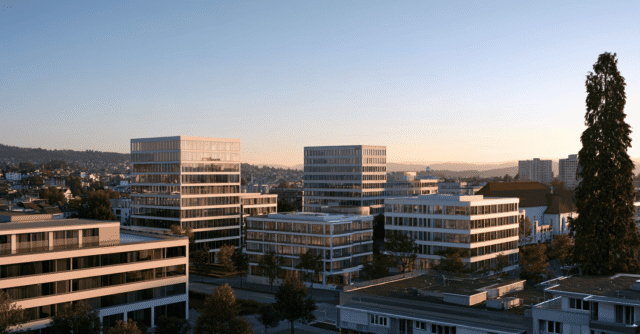
Offices are catching up, whilst housing seems expensive
Swiss residential properties continue to dominate the investment portfolios of many institutional investors. However, a window of opportunity is reopening in the office and other commercial property sectors. Higher cash flow yields, lower valuations and tighter supply are suddenly making this
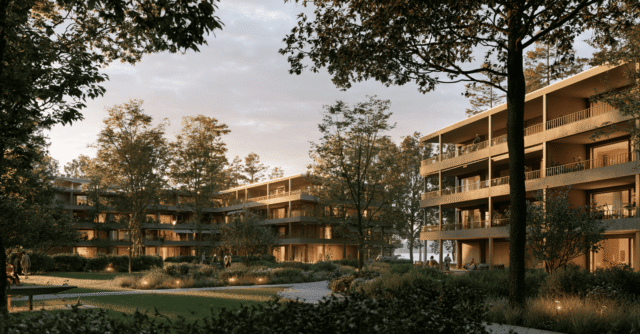
Wädenswil offers a way forward without displacement
In Wädenswil, a housing estate is set to expand from 103 to more than 160 flats without the existing tenants having to move out. The plans include five extensions, refurbishment whilst the property remains occupied, and a start to construction in early 2028. It remains to be seen by how much rents
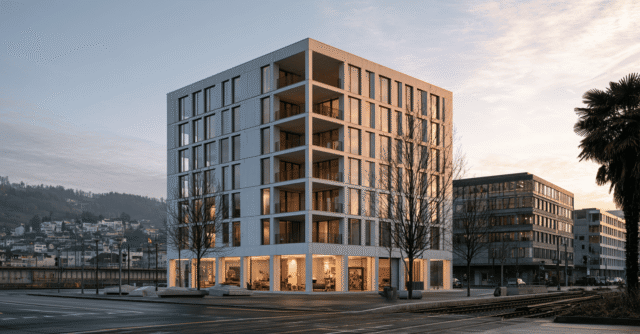
Seetalplatz is struggling with a lack of housing
In the new administrative building on Seetalplatz in Emmenbrücke, 12 out of 17 flats remain unlet for the time being. This slow start is affecting a site that is planned to become the new centre of Lucerne North and is set to bring together around 30 of the canton’s administrative offices by

The cost of buying a flat in Zurich is coming under pressure
1.3 billion Swiss francs for 47 properties, but not a single new flat has yet been built to realise the calculated development potential. Zurich’s acquisition drive is providing land reserves and development opportunities, but at the same time is creating funding shortfalls, follow-on costs and
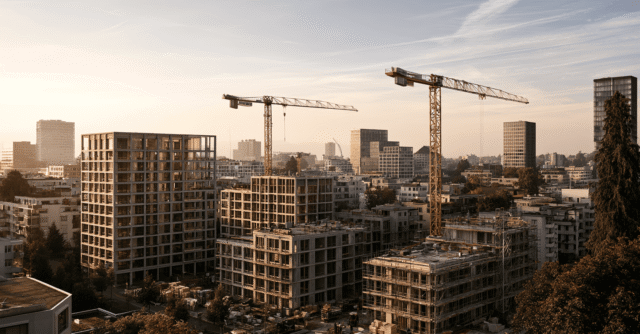
Simply speeding things up won’t be enough to tackle the housing shortage
Every year, there is a shortfall of thousands of flats in Switzerland, even though Bern is looking into ways to speed up the process. The root of the problem lies deeper. It is not the pace alone that is holding back housing construction, but an ever-more-complex web of regulations that the cantons

Berlin risks pulling the wrong lever when it comes to housing construction
The German federal government is pushing ahead with plans for its own housing association. However, a new IMK study dated 31 August 2026 warns of significant legal and financial risks and argues that a credit-based housing stimulus scheme would be quicker, cheaper and more widely

Leisure giant near Paris stumbles over unresolved rights issues
Courdimanche is set to become a tourist magnet with three new theme parks costing 6 billion euros. However, the much-heralded Dragon Ball flagship attraction, of all things, has not yet secured full funding in legal terms, as, according to recent reports, approval from the Japanese rights holders
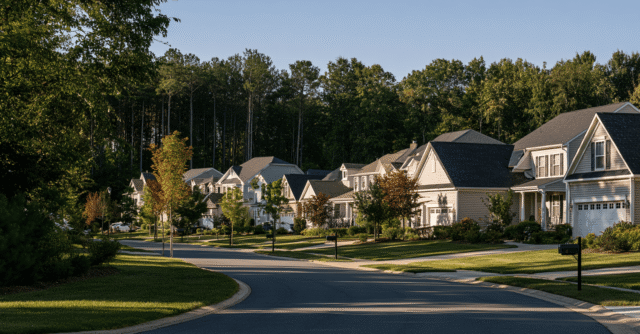
High interest rates are stifling the US housing market
A 6.66 per cent interest rate on 30-year fixed-rate mortgages and a continuing shortage of supply are once again putting the brakes on the US housing market. Sales are falling, affordability is deteriorating further, and even new housing legislation is unlikely to provide any relief before

Neuchâtel is channelling 28 million into tackling the maintenance backlog
The canton of Neuchâtel is allocating a framework grant of 28 million Swiss francs for the period 2027 to 2031 to maintain its building stock. Whilst this unanimous decision eases the pressure on maintenance, it does not yet close the gap to the recommended level of value
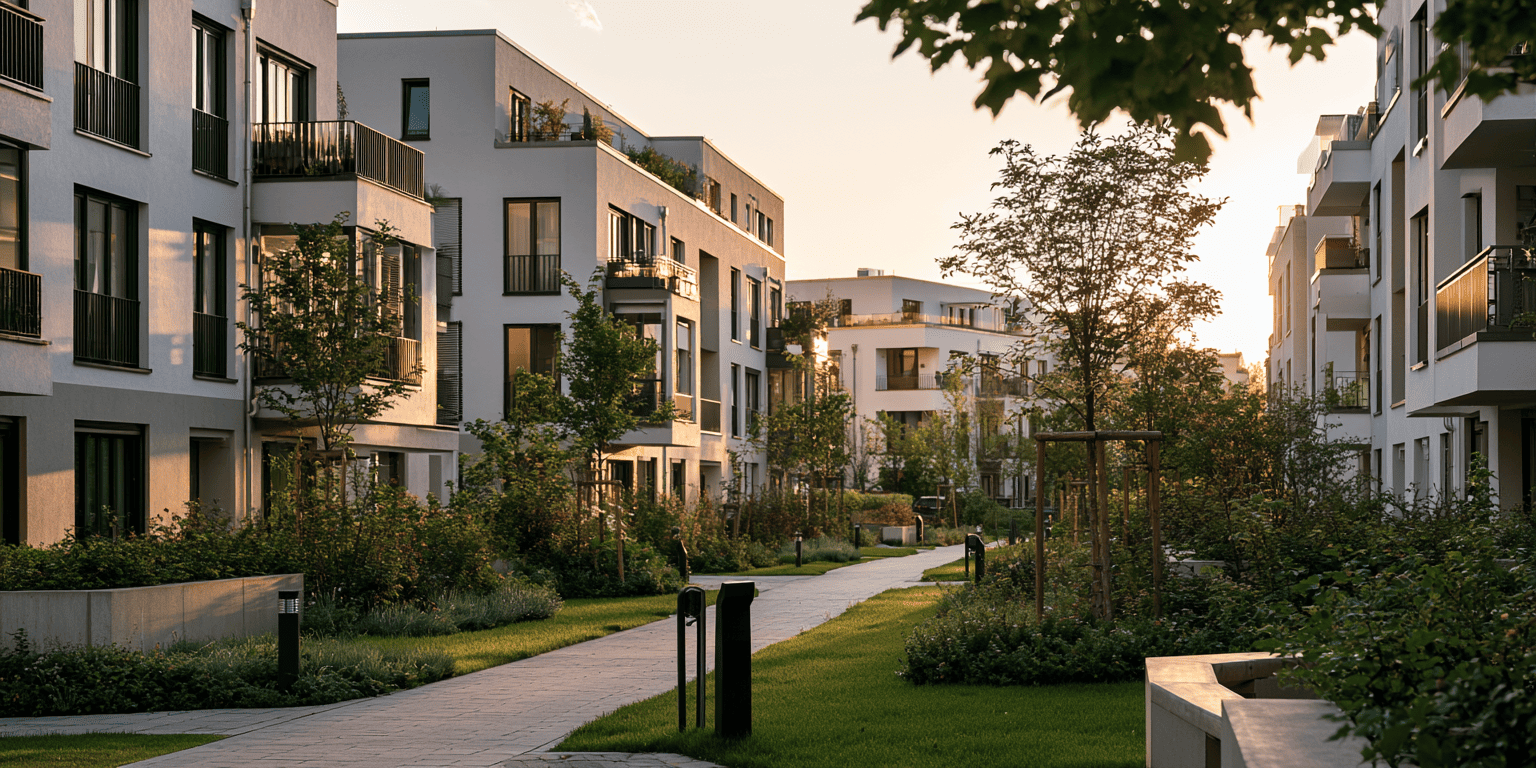
Vacancy rate halved; sales are clearing up the legacy issues
Peach Property Group has reported a significant operational boost for the first half of 2026. Falling vacancy rates, higher like-for-like rents and the largely completed sale of around 2,000 units are stabilising both cash flow and the capital

Beijing cuts off the funding before construction is completed
China is radically overhauling its housing model. In future, developers will only receive deposits and mortgage funds from pre-sales once construction has been formally completed. For heavily indebted developers, this is yet another blow; for buyers, it is a long-overdue

Sydney goes from being a bargain to a risk
Sydney is leading the way in Australia’s housing downturn. Falling prices, a slump in demand and the reform of the ‘negative gearing’ tax scheme are all putting pressure on the existing property market, project costing and developer financing. The boom is thus losing stability in precisely
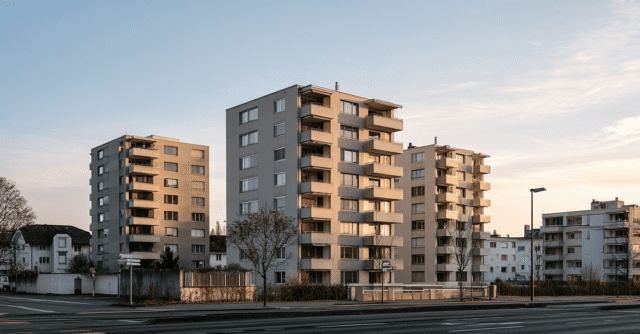
Benchmark interest rate halts further rent increases for the time being
The reference interest rate for mortgages in Switzerland will remain at 1.25 per cent as of 2 September 2026. For existing tenancies, this means that, for the time being, there will be neither a new entitlement to rent reductions nor a new basis for increases due to the reference interest
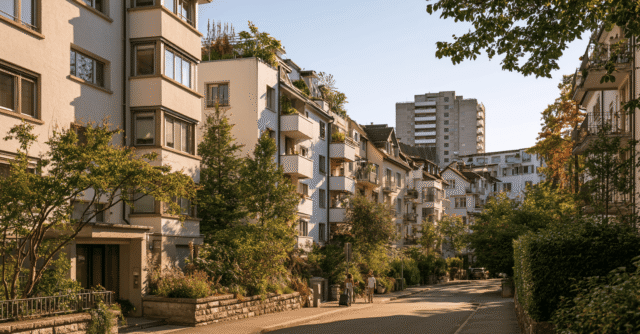
Zurich is cracking down on holiday lets
Zurich is tightening the rules on housing from 1 September 2026. Anyone who regularly lets out flats for short periods as Airbnb accommodation or business flats must declare this use. In some cases, a planning application is required for conversions, even where no building work is
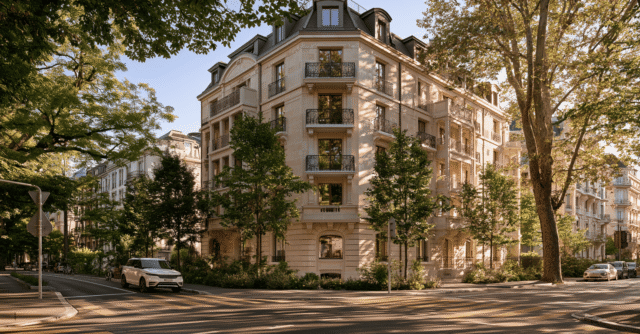
Champel continues to drive up house prices in Geneva
A fully let residential block comprising 84 flats in Geneva-Champel is changing hands for 60 million Swiss francs. The deal highlights just how fiercely competitive prime residential locations remain and how property funds are continuing to expand their presence in Geneva in a market with an
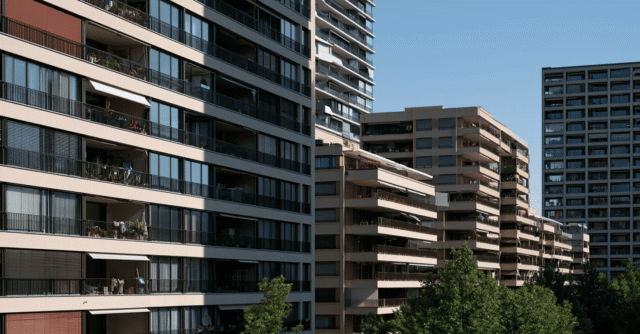
Low interest rates are not easing the pressure on rents
The reference interest rate in Switzerland remains at 1.25 per cent, but this is doing little to stabilise the housing market. Despite the historically low rate, UBS expects rents to rise again in 2026 and 2027, whilst an increase to 1.5 per cent from the end of 2027 could make it easier, from a
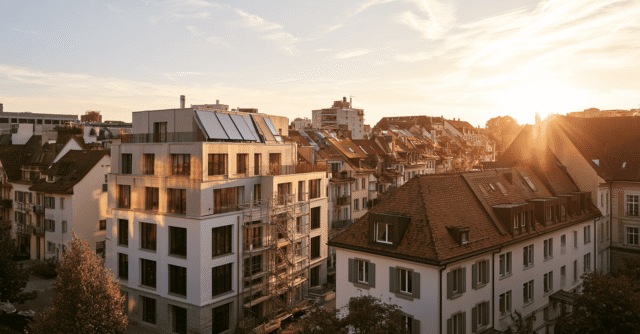
Housing fund raises 100 million for the refurbishment
The Raiffeisen Futura Immo Fund is set to launch its largest capital raising to date in September 2026. Around 100 million Swiss francs are to be used to finance new acquisitions and the sustainable refurbishment of the existing portfolio, following a recent rise in the debt-to-equity ratio to
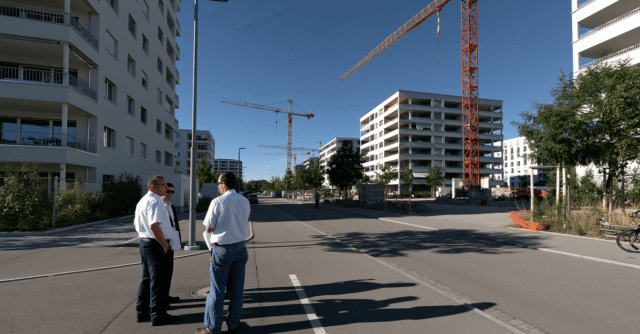
Development Switzerland Calls for Five Reforms
According to Entwicklung Schweiz, housing construction in Switzerland has reached a historically low level. Meanwhile, the population—and thus the demand for housing—continues to grow. In its position paper titled “Ways Out of the Housing Crisis,” the industry association calls for fewer
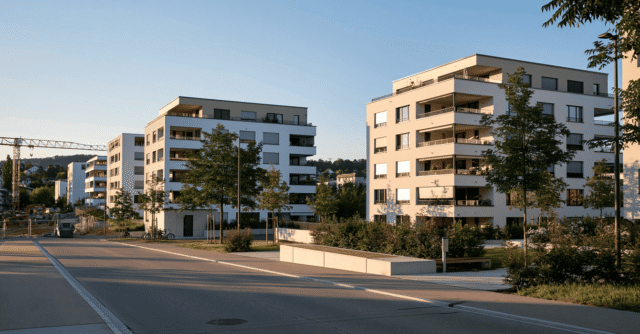

Zurich’s Billion-Dollar Bet on Land and Apartments
Between 2022 and 2025, the City of Zurich acquired a total of 47 properties, investing 1.3 billion francs in the process. Twenty-nine residential properties with 527 existing apartments directly support the goal of increasing the share of public-interest rental housing to one-third by
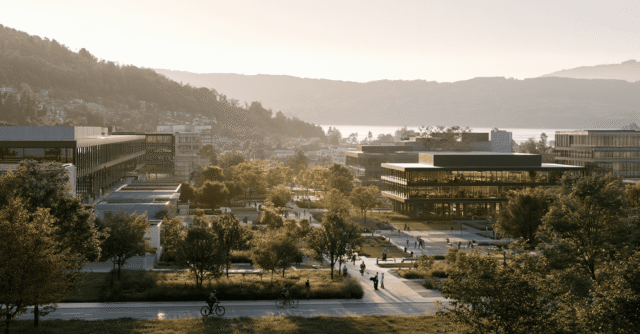
Horw launches the 568-million project
The planning application for the new campus in Horw is now on public display. The canton is thus taking its largest educational construction project into the next phase. The plans include new buildings, refurbishments and a conversion to be carried out whilst the campus remains open, with a

Lighting: A malfunction is the worst possible time to make an investment decision
The federal government allocates up to 70 million Swiss francs annually for energy efficiency measures—but in 2025, only a little over a third of that amount was utilized. The reason is rarely a lack of interest. Rather, it is because most property owners and managers do not address their
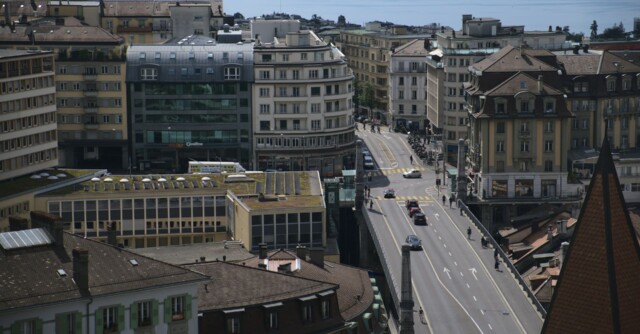
Lausanne plans to make 200 million available for new signings
Lausanne is set to have a significantly larger property budget. The Municipal Council’s Finance Committee wants to increase the acquisition loan for the period 2026 to 2031 from 130 to 200 million Swiss francs. This move is part of a more stringent land and housing policy based on the right of
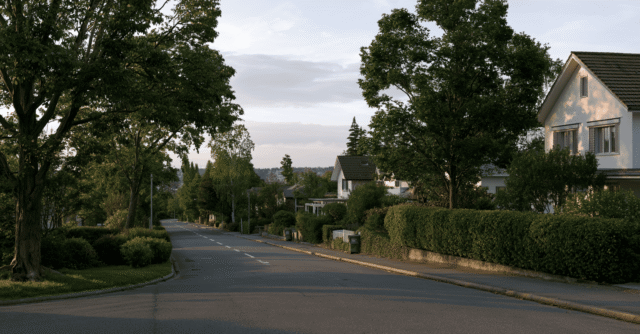
Zumikon enforces new planning law and halts the Huebrüti development
Zumikon is bringing the partial revision of the Building and Zoning Regulations into force on 1 January 2027. This means that new, harmonised measurement methods and amended regulations will apply to building applications. Ironically, the controversial rezoning in Huebrüti remains on hold for the