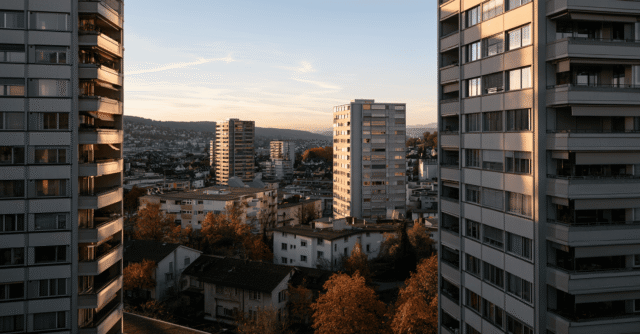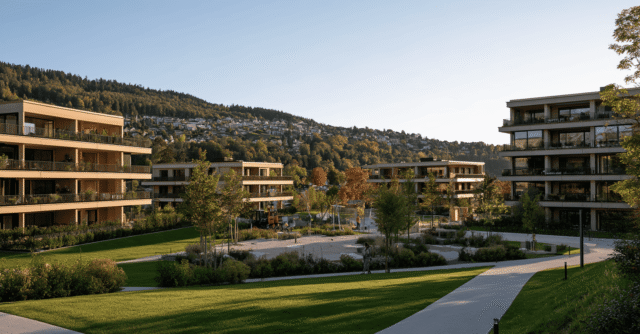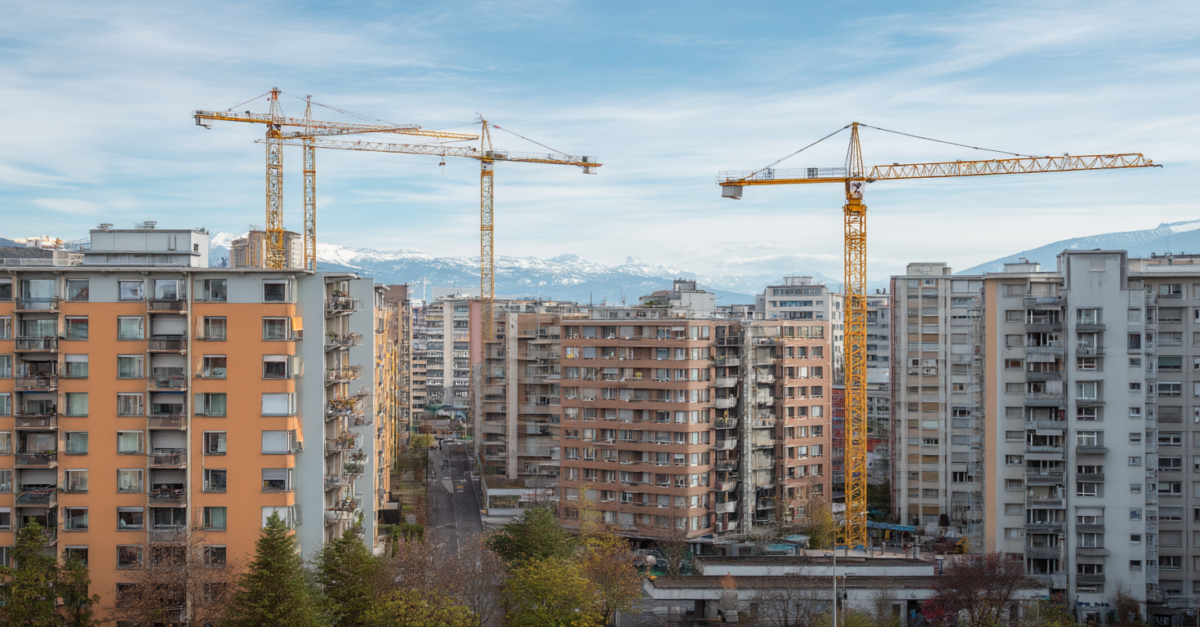

Since the introduction of the free movement of persons in 2002, the Swiss resident population has grown by 25 percent, from 7.3 to over 9.1 million people. 82 percent of this growth is due to migration. Researchers at the University of Fribourg have calculated that a net immigration of 1 percent of the population increases rents by 2.2 percent and home prices by up to 2.4 percent. More people increase the demand for housing.
Supply is the accomplice
Demand makes housing more expensive, especially in places where supply cannot keep up. And Switzerland is particularly susceptible. It protects landscapes, limits urban sprawl and has difficulty with densification. According to a Raiffeisen study, cantonal building laws have become 26 percent more extensive on average since 2005, while ordinances have even increased by 32 percent. Building has become more complicated and more expensive.
The record year 2023 has an impact
After 2019, the pressure seemed to ease briefly, with the media reporting on vacancies and “ghost settlements”. However, the record year of immigration in 2023, with net migration of almost 99,000 people, abruptly reversed the situation. The housing market has still not digested this surge. Around 38,000 new apartments are currently being built every year, a figure that is clearly too low given the high level of immigration.
Income and aspirations are underestimated factors
It is not just more people who are putting pressure on the market. People are also living differently. The living space per person rose from 44 to 46.6 square meters, while the average household size fell from 2.24 to 2.18 people. People who earn more want more space, better locations and higher standards. According to analyst Daniel Sager from Meta-Sys, 1 percent per capita income growth already results in 0.42 percent more rental growth.
The benefits and drawbacks of a cap
A reduction in immigration would relieve the housing market in the short term. According to a study by the Demographics Office, employment in the construction industry would be 11.1 percent lower by 2075 if the population were to be capped, which corresponds to a shortfall of 33,000 skilled workers. Less immigration therefore does not automatically mean more apartments, but possibly also less capacity to build new ones. In addition, there would be a lower GDP per capita and higher social security contributions.
The actual verdict
Lower rents are of little use if incomes fall, health insurance premiums rise and the state needs more taxes at the same time. The decisive factor is what a household has left over after all deductions. The housing issue is therefore not a simple equation. It is the result of population growth, a sluggish supply response, rising demands and economic interactions. Anyone who wants to solve it with a single measure is falling short.