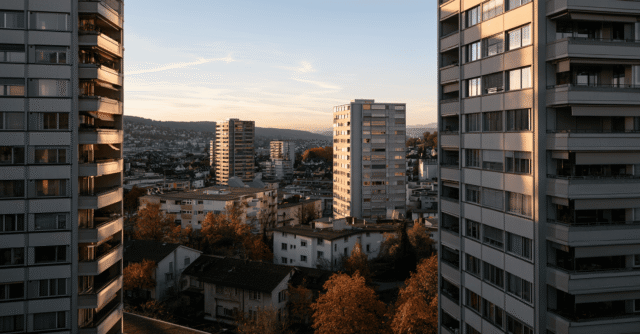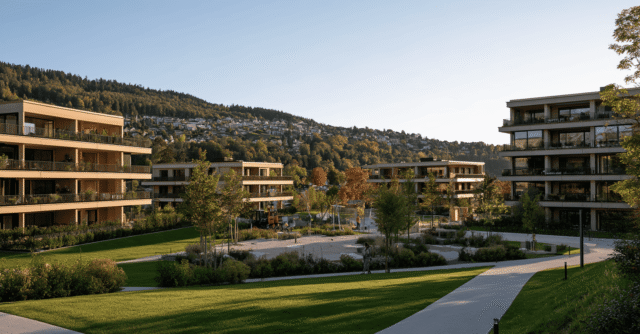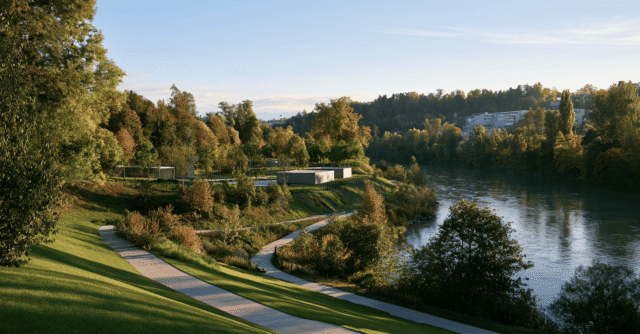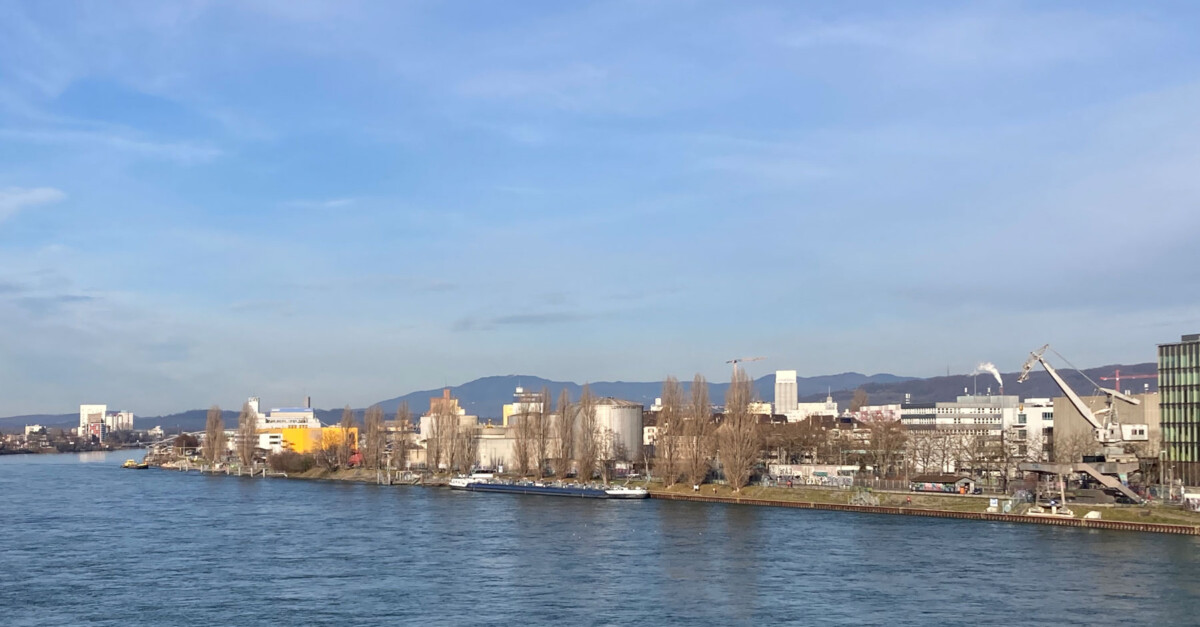
Until the middle of the 19th century, the Klybeck area was actually an island. A branch of the Rhine separated it from the mainland and was later filled in. This is exactly what the initiative of Basel teacher Philippe Ramseyer wants to reverse. The Old Rhine is to be uncovered, the area rezoned as a green zone by 2035 and reforested with native trees and shrubs. According to the initiators, this would result in the largest contiguous green space in Kleinbasel.
What the canton is planning instead
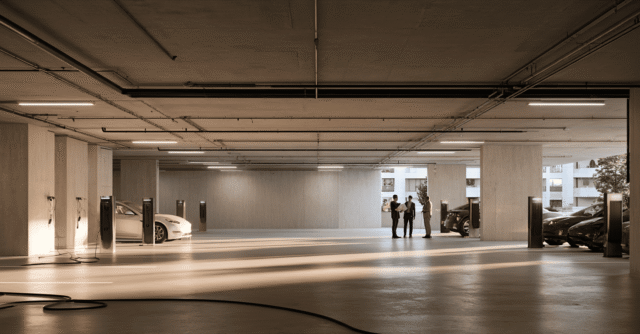
The canton of Basel-Stadt, together with the landowners Swiss Life and Rhystadt AG, has a different picture in mind. The “klybeckplus” development project envisages an open, green and mixed district. Living space for 8,500 people, a third of which will be non-profit and rented at cost, as well as 7,500 jobs. There will also be two new parks. There will also be two new parks on the banks of the Rhine and Wiese, a two-kilometer riverside promenade and a new streetcar bridge to France. According to the canton, private partners are willing to invest over three billion francs.
Broad rejection of the initiative
Government Council and Grand Council recommend a clear No. The Greens also oppose the initiative, although at first glance the project sounds like their core issue. The cost of uncovering the harbor is estimated to be at least half a billion francs. The harbor railroad and jetties would have to be relocated and implementation by 2035 is considered unrealistic. If the initiative is accepted, only around 1,000 apartments could be built instead of 3,500, which would put further pressure on Basel’s tight rental market.
Site on the move
The Klybeck site is not standing still. The first users, including studios, laboratories and start-ups such as the Basel biotech company Mycrobez, have moved in even before the major transformation. The development plan is due to pass the Grand Council in 2026, paving the way for the actual transformation. The Westquai area is initially planned as a flexible zone with a focus on work, culture and gastronomy; the new use of the Rhine will be possible once the existing building rights expire at the end of 2029.
Fundamental question on June 14
Basel will not be answering a minor planning question on voting Sunday, but a fundamental question of urban policy. How does a dense, expensive city grow and what does it use its last large piece of developable land for? The initiative offers green space. The counterplan offers green space and apartments. The people decide.