

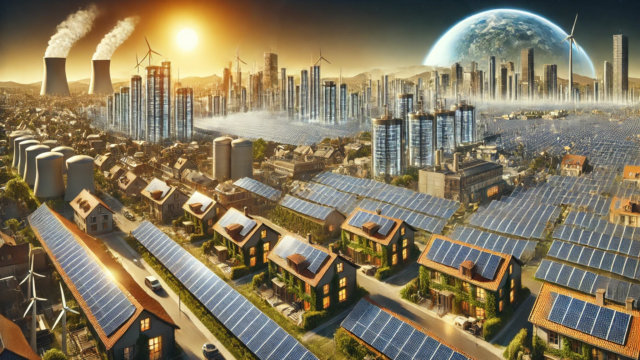

Answers to the challenges of the urban future
BAU 2025, which will take place in Munich from 13 to 17 January 2025, will present innovative solutions and new ways of tackling the social, economic and environmental challenges posed by increasing urbanisation. By 2050, 70% of the world's population is expected to live in cities, which will


| 23. September 26 - 30. September 26 | Gute Projekte. Schlechte Margen? Warum viele Planungsbüros viel leisten – und trotzdem kämpfen. |
| 29. September 26 | 10th EESC Liberal Professions Day: Conference – Preparedness in the EU: the role of the liberal professions |
| 29. September 26 | Prix de l’immobilier romand 2026 |
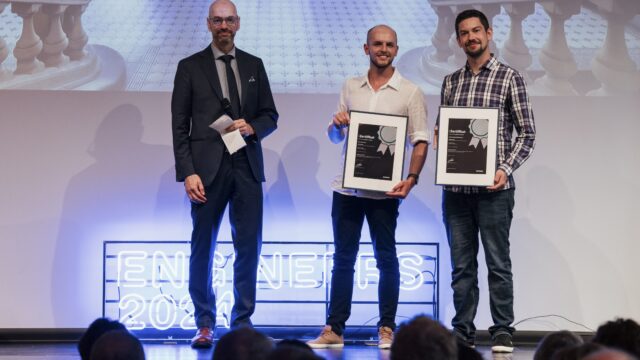
Snow melting and economic efficiency in practice for PVT modules
Fabian Maag and Marc Willi win the regional Siemens Excellence Award 2024 for their innovative bachelor thesis on maximising winter electricity through snow-free PVT modules. Their findings show considerable potential for increasing the electricity yield by melting

Four eastern Swiss cantons strengthen cooperation for a networked future
The cantons of St.Gallen, Appenzell Ausserrhoden, Appenzell Innerrhoden and Thurgau have signed a joint declaration on closer strategic cooperation. The aim is to strengthen Eastern Switzerland by joining forces and finding joint
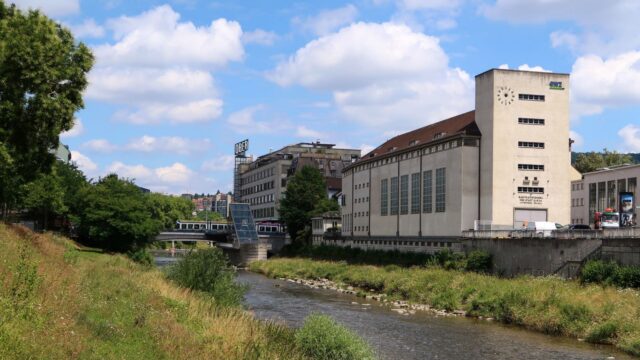
City Council approves CHF 300 million for CoolCity
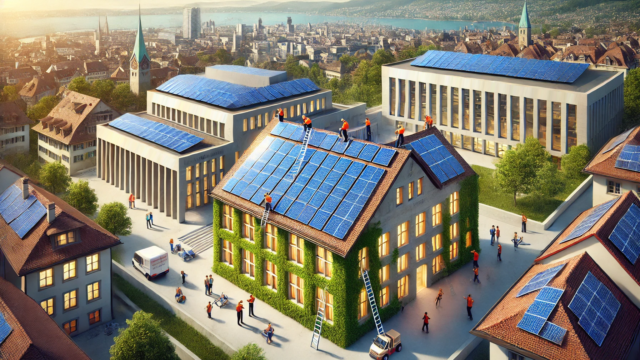
In future, Zurich's lake water will heat and cool the city centre. To this end, ewz is realising the CoolCity energy network - one of the largest lake water networks in Switzerland. Operated with 100 per cent renewable energy, it is an important milestone for the city of Zurich on the way to the

Overall transport concept for the Zurzibiet region adopted
The steering committee of the overall transport concept for the Zurzi area has defined the overarching objectives and strategic directions. The focus is on ensuring a reliable overall transport system and improving the quality of life in the Zurzi
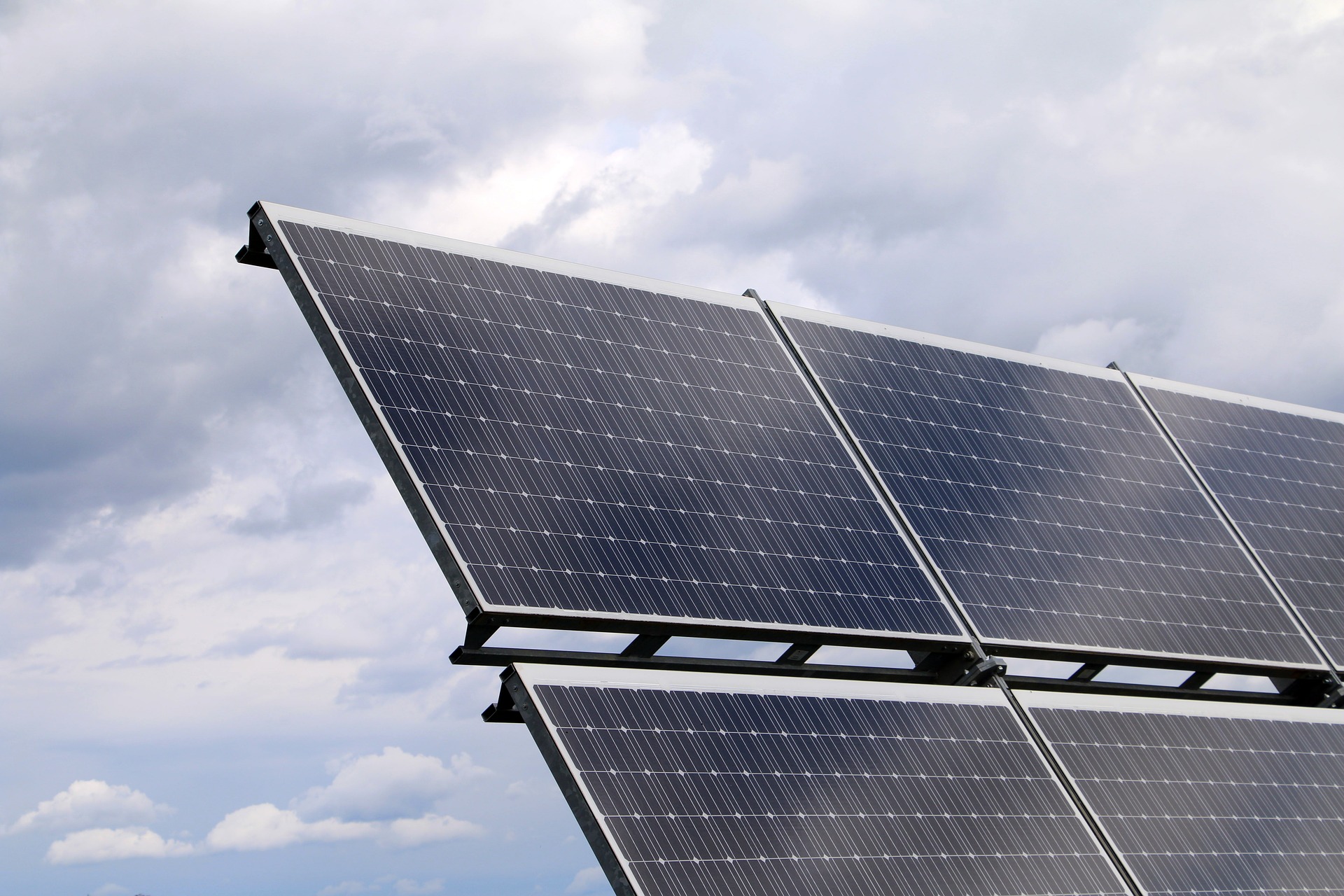
CKW activates minimum remuneration for solar power
CKW will apply the minimum remuneration for solar power decided by the federal government for the beginning of 2025 from the second quarter of 2024. This is intended to protect operators of small solar plants from very low market prices, particularly in


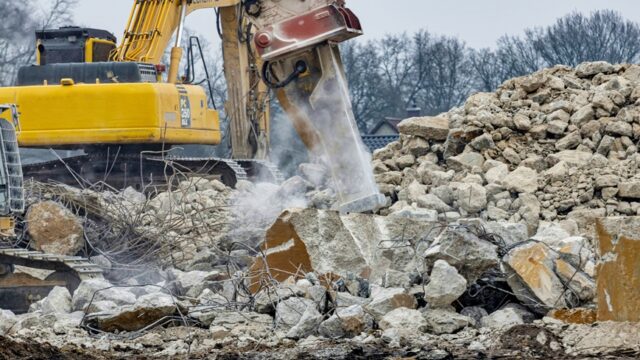
Cement recycling – a cost-effective and efficient way
The recycling of cement paste offers a low-cost and effective method of reducing emissions in cement production, as a new study by Imperial College London shows. With a reduction of up to 15% in emissions, this technology opens up promising prospects for the construction

Emissions from heating oil and gas are falling
CO2 emissions from fuels, i.e. primarily from heating oil and gas, fell by 8.8 per cent in Switzerland in 2023 compared to the previous year. In contrast, emissions from petrol and diesel remained at the previous year's level. This is according to the latest CO2

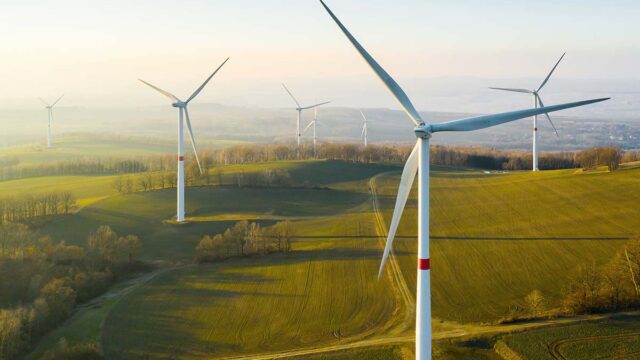
Canton of Zurich proposes areas for the utilisation of wind power
The Zurich cantonal government considers 20 areas in the canton to be very suitable for large wind turbines and 15 others to be highly suitable. It has submitted the corresponding entries in the structure plan for consultation. It proposes voluntary payments by future operators to the local

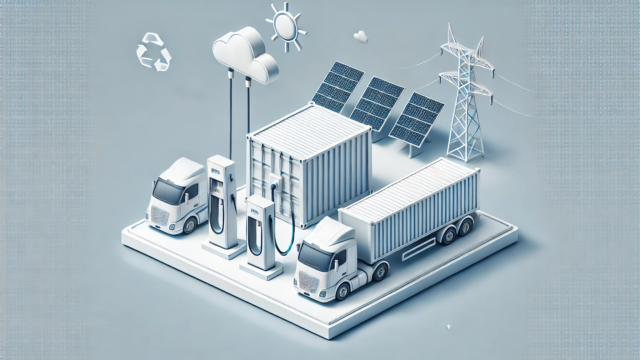
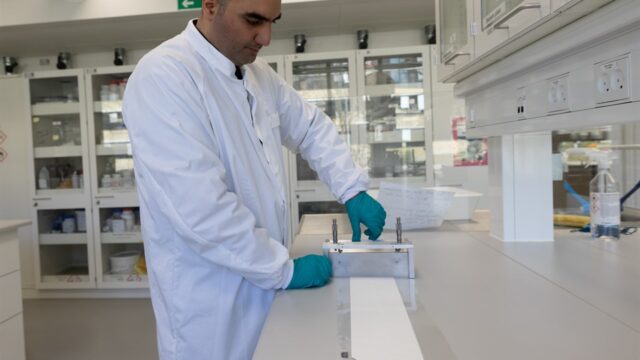
Solid-state batteries made of rock
In autumn 2026, the sustainable Greencity district in Zurich South will be completed with the development on construction site B6. This innovative project, developed by Losinger Marazzi AG, comprises 179 age-appropriate flats and represents a significant step forward in urban housing


New home for senior citizens Greencity 2026
In autumn 2026, the sustainable Greencity district in Zurich South will be completed with the development on construction site B6. This innovative project, developed by Losinger Marazzi AG, comprises 179 age-appropriate flats and represents a significant step forward in urban housing
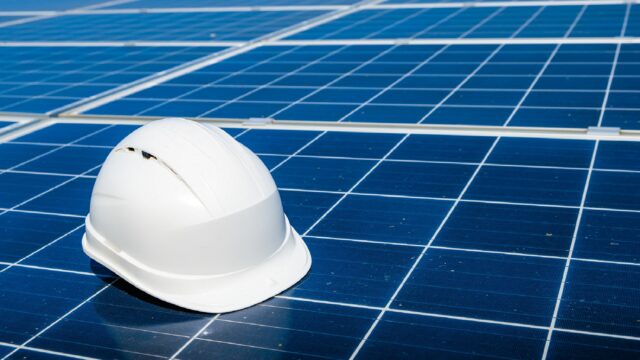
Commercial use and solar energy: development of the Papieri site is progressing
The site owner HIAG is upgrading a further 6000 square metres of the Papieri site for temporary commercial use by the end of the year. Padelta AG will be operating padel courts in a paper machine hall from 2025. A Jump Factory site is also planned. Librec will prepare the recycling of car batteries
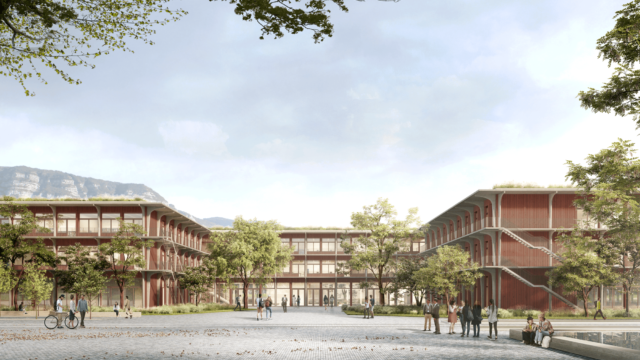
Winner of the architectural competition for the Confignon school
The "Cé Qu'É Lainô" project has been chosen as the winner of the architectural competition for the construction of the new secondary school in Confignon. The jury highlighted the remarkable balance and flexibility of the project, which is both architecturally convincing and meets the various
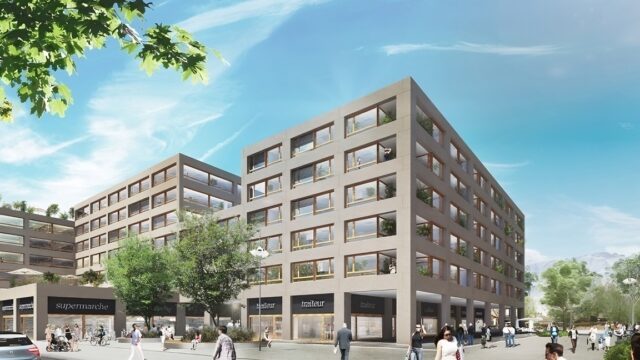
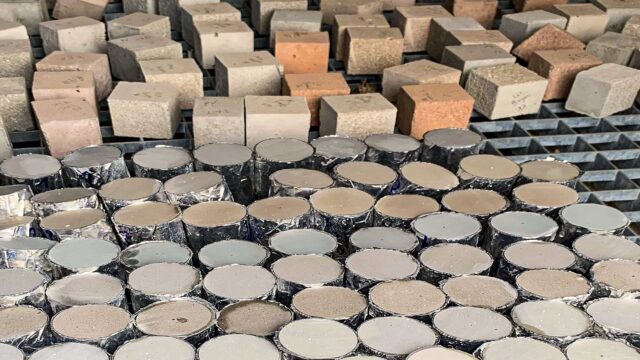
Transformative materials in the construction industry
Faced with rising CO2 emissions in the building sector, the Swiss Climate Foundation and its partners are focusing on innovative solutions to reduce emissions. From self-cleaning metamaterials to cement-free concrete, the foundation supports small and medium-sized enterprises (SMEs) in the

Geneva on the road to Smart City 3.0
The canton of Geneva is launching the "Smart Geneva" initiative to drive the transition to a Smart City 3.0, based on the Scandinavian model, by networking and promoting projects. The approach aims to put technology to good use in urban development and the fight against climate change, and to