Housing construction is stalling amid a maze of bureaucratic procedures
The federal government is working on faster procedures, a stricter approach to objections, and a greater emphasis on infill development. However, as of June 22, 2026, its ability to influence the situation remains limited: Many measures are politically driven, and their impact on the creation of additional housing—if any—will not be felt for years to come.
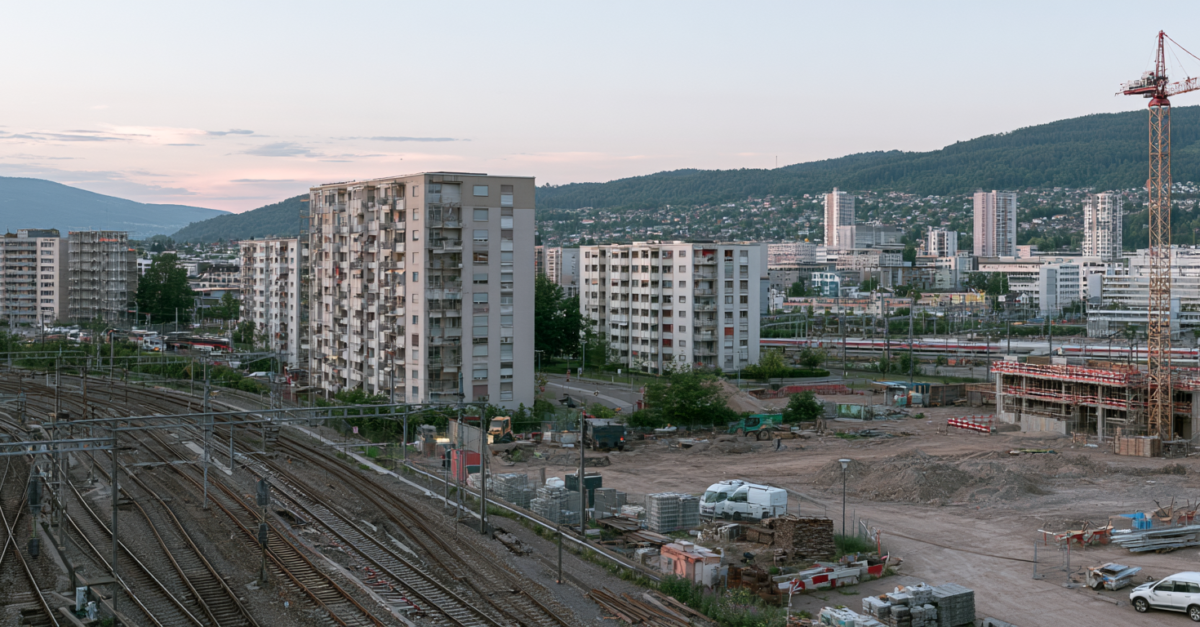

The area between Dübendorf, Bülach, and Renens shows where construction is still taking place in Switzerland: more in well-connected suburban locations than in the city centers themselves. This sends a clear signal for housing construction. It is not a lack of tools that is slowing down densification, but rather slow implementation, complex procedures, and ongoing legal uncertainty.
As of June 22, 2026, the federal government has indeed set several levers in motion simultaneously. However, publicly available documents also show that hardly any of these tools will unlock additional housing in the short term. This means the planning situation remains tense, particularly for investors, developers, and municipalities.
Acceleration has been decided, but the impact is un
The Federal Council’s initiative to accelerate housing construction is currently the furthest along. Since April 22, 2026, two measures have been under review: infill development is to be enshrined in law as a matter of national interest, and private appeals against construction projects are to be more strictly tied to a legitimate interest on the part of the appellant. This directly targets stalled projects involving building height increases, replacement new construction, and larger densification projects. In practice, however, the move is primarily a political signal for now. A draft for public consultation is not expected to be available until the end of 2026, and legislative amendments would take additional time thereafter.
The Action Plan on Housing Shortages is similarly ambivalent. On June 11, 2026, the federal government reported that 88 percent of the measures are either being implemented or have been completed. At the same time, the same implementation report notes that the effects will only become visible in the long term. This confirms the fundamental problem of the federal system: The federal government can coordinate and initiate action, but the actual decisions regarding land-use planning, density, zoning, building permits, and procedures rest with the cantons and municipalities.
Noise protection only helps if it is enforceable
A more concrete lever has been in effect since April 1, 2026. The Federal Council enacted the amended Noise Protection Ordinance together with parts of the revision to the Environmental Protection Act (USG). This was intended to pave the way for more residential construction, particularly in urban areas along heavily trafficked roads or rail lines. In practice, however, the benefits remain limited for the time being as long as the interpretation of the new requirements by authorities, planners, and construction lawyers remains inconsistent. Where enforcement practices remain unclear, the risk for projects does not decrease but merely shifts to later stages of the process.
Lex Koller Draws Attention but Does Not Create Land
At the same time, the consultation on tightening the Lex Koller has been underway since April 15, 2026, and is scheduled to end on July 15, 2026. Among other things, the proposal would more strictly regulate listed residential real estate companies as well as regularly traded real estate funds and real estate SICAVs. However, no direct quantitative impact on housing supply can be inferred from this. The debate addresses capital market and enforcement issues but resolves neither planning backlogs nor conflicts over land use in the municipalities.
This reinforces an uncomfortable realization: The bottleneck lies less in new programs than in the implementation of existing ones. As long as local planning processes remain pending, procedures take a long time, and the balancing of interests between protection, density, and neighborhood concerns is constantly being reevaluated, densification in many cities remains politically desired but structurally challenging.