Vaz/Obervaz is putting more pressure on the housing market
It is not Zurich, but Vaz/Obervaz that has the most acute housing shortage in the latest municipal ranking. For the Graubünden housing market, this is more than just a curiosity: a vacancy rate of 0 per cent is coupled with tourist demand, construction activity and a limited housing stock.
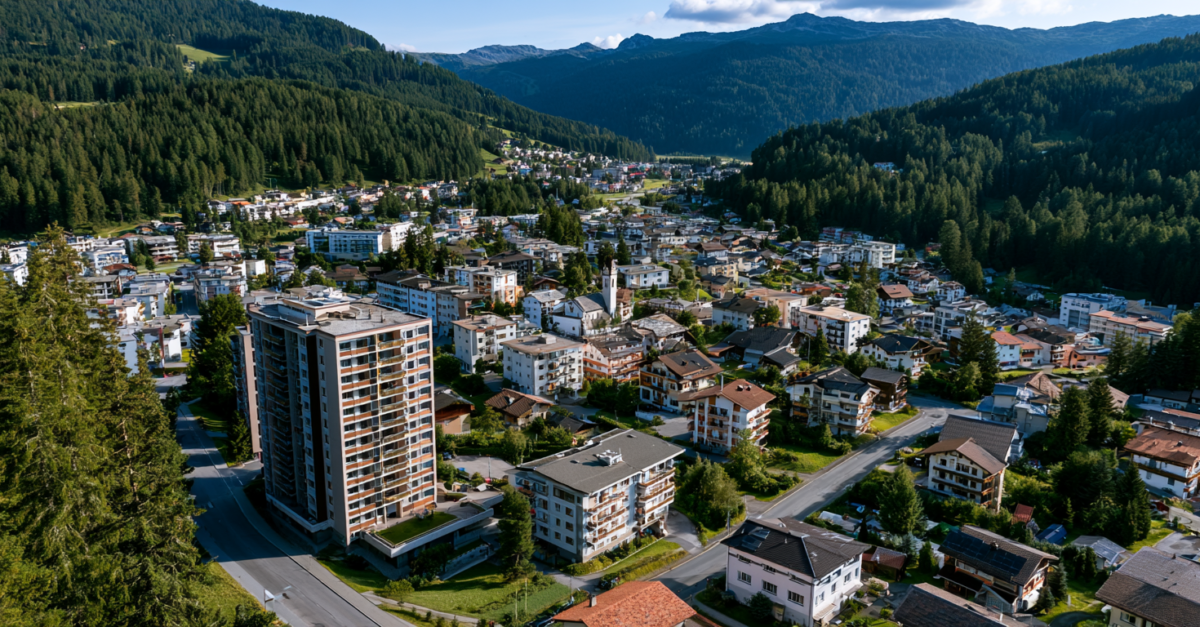

The tightest housing market in Switzerland is currently not in Zurich, but in Vaz/Obervaz. In the latest municipal ranking by *Bilanz* and IAZI, the Graubünden municipality is listed with a vacancy rate of 0 per cent. This means that, as at the reference date, not a single flat was recorded as being available for rent. For a tourist destination such as Lenzerheide, this sends a clear signal: the scope for accommodation within the regular housing stock has practically been exhausted.
This finding is particularly relevant because it puts the widespread focus on major centres into perspective. Whilst the nationwide housing shortage has been an issue for years, in mountain regions in particular it is compounded by a unique mix of factors: limited building land, pressure from second homes, seasonal use and a small, inflexible market. If, even statistically, no vacant flats are recorded there, housing for households, employees and new residents quickly becomes a key location factor.
Shortages outside the major cities
The 2026 Municipal Ranking covers 966 municipalities with more than 2,000 inhabitants and assesses them on the basis of 56 indicators. Whilst the vacancy rate is just one of several housing market factors, it carries particular weight in the case of Vaz/Obervaz. Publicly available municipal data and housing market overviews also suggest that demand for the area has recently outstripped supply and that the supply reserve has remained very small.
For the property sector, this is more important than simply topping a single category. A zero rate does not automatically mean that no flats are changing hands at all. However, it does show that the freely available stock was effectively empty on the reference date. In such markets, the hurdles for staff accommodation, primary residences and longer-term tenancies rise particularly sharply. Property developments, replacement new-builds and conversions are thus subject to even greater pressure to meet expectations.
Construction activity alone does not solve the problem
Although available municipal profiles show that building projects are under way and have been approved in Vaz/Obervaz, in a small, tourism-oriented market, additional construction activity does not automatically lead to rapid relief in the year-round rental segment. The decisive factors remain what types of properties are being built, the price range in which they are offered, and whether they actually enter the local primary housing market.
For owners, investors and authorities, the challenge therefore lies less in the abstract finding of a housing shortage than in managing the existing housing stock. Where the statistics drop to zero, occupancy, mix of use, renovation and the activation of existing space become key. Vaz/Obervaz thus serves as a prime example of how the housing issue in 2026 is not just a problem for major cities, but is increasingly affecting those locations that thrive as both leisure and work destinations.