
Federal framework, cantonal rules
Parliament has reorganised the roles with regard to value-added compensation. One thing is clear: the obligation under federal law to pay value-added tax now only applies to individual zoning; the cantons are responsible for other significant planning advantages such as upzoning and rezoning. In the canton of Aargau, the equalisation of such advantages takes place within the framework of administrative contracts – not by means of decrees. For the municipalities, this means that they must actively negotiate, document properly and align their practices closely with cantonal law.
Solar on façades
Solar installations on façades are now generally not subject to authorisation in building and agricultural zones, provided they are deemed to be sufficiently adapted. The notification is made via the cantonal platform; the formal building permit procedure is no longer required. Art. 32abis RPV defines how adaptation is to be understood in concrete terms and at the same time opens up a certain amount of leeway for municipal design regulations. Municipalities can issue area-specific regulations, but may not excessively restrict the use of solar energy. Installations on cultural and natural monuments of cantonal or national importance as well as on buildings with substance protection or in sensitive local and landscape zones remain subject to authorisation.
Solar above car parks
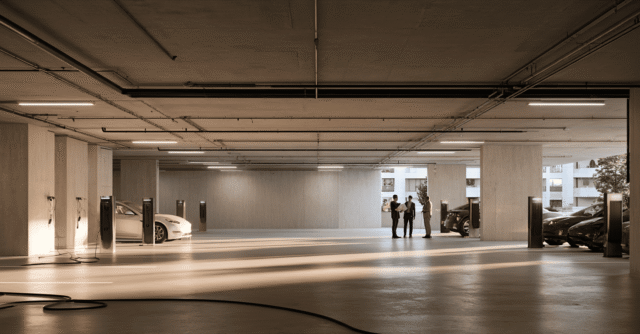
In building zones, support structures for solar installations above or on the edge of car parks with 15 or more parking spaces are now considered directly compliant with zoning regulations. However, the municipalities can specify these basic regulations. They may designate areas where such structures are excluded or only permitted subject to conditions, or conversely declare smaller car parks to be zoning-compliant. This turns the car park into a strategic energy area. Provided that the municipalities utilise their autonomy and define clear objectives for townscape, climate protection and energy production.
New planning principles
RPG 2 introduces a new planning principle for the utilisation of underground space. In future, underground uses must be harmonised with above-ground uses and the affected interests at an early stage. At the same time, the priority of agriculture in the agricultural zone is expressly enshrined in the law. Agricultural uses are to be weighted more heavily than non-agricultural concerns, for example by easing immission control requirements if the agricultural interest prevails. For the practice of land use planning, this means less of a change of course than a shift in emphasis: the familiar balancing of interests in accordance with Art. 3 RPV remains, but is given clearer guidelines, which must be made visible in the planning report.
Zoning-compliant and without planning obligation
Installations for the production and transport of energy from biomass can be zoning-compliant in the agricultural zone under simplified conditions. It is now expressly stated that such zone-compliant biomass plants are not subject to planning requirements, even if they have a spatial impact. This is the legislator’s response to previous case law, which in some cases assumed a planning obligation for biomass-based energy plants. For municipalities and cantons, the discussion is thus shifting more in the direction of authorisation and requirement practice instead of land use planning.
Building outside of building zones
RPG 2 also brings noticeable changes outside of building zones. In principle, building applications can only be authorised with the approval of the canton. For municipal authorities, the main changes are in the material criteria against which projects are assessed. The priority given to agriculture will be strengthened and should also have an impact on the easing of odour and noise protection requirements.
At the same time, the new law improves the framework conditions for plants that utilise renewable energies. Biomass plants in the agricultural zone are deemed to conform to zoning if they fulfil certain requirements and do not require prior planning, even if they are no longer subordinate to the agricultural operation but are merely part of it. For installations for the use of renewable energy and for thermal networks that do not conform to zoning regulations, the requirements for exceptional authorisations are relaxed, provided they contribute to the reduction of fossil fuels.
Infrastructure, mobile radio and dismantling
For infrastructure installations outside of building zones, the principle of bundling in locations that are as insensitive as possible now applies. Mobile radio installations can also be explicitly authorised outside the building zone if the location there offers significant advantages over a location within the building zone. Finally, the statute of limitations for dismantling orders will be standardised. Unlawful buildings and installations can generally no longer be demolished after 30 years, regardless of whether they are located inside or outside the building zone. Constellations in which police assets such as public order, peace, safety or health are jeopardised remain exempt.
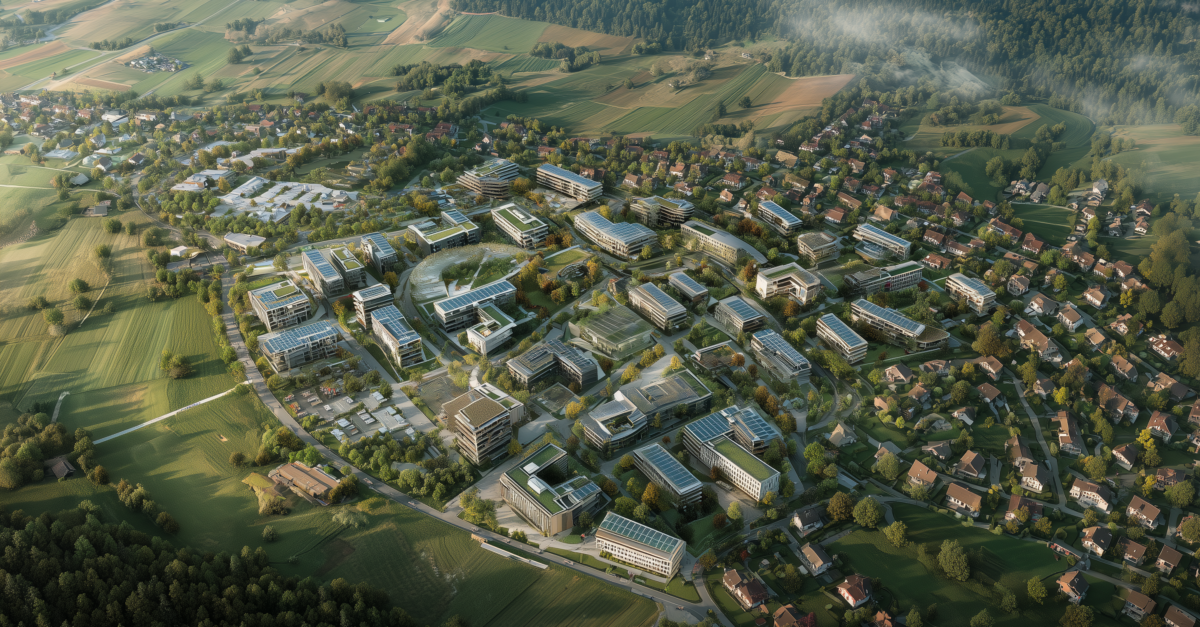
For the municipalities, the revised spatial planning law opens up new scope for solar energy, biomass, infrastructure and the prioritisation of agricultural interests. It will be crucial to actively shape this freedom, to anchor it in land use planning and authorisation practice and to document the new principles transparently.