At the end of the 1990s, Parliament separated SBB from the federal government. This gave it the freedom to manage its most valuable asset. Huge plots of land in prime locations throughout Switzerland. There were no clear specifications as to how many apartments should be built and at what prices. The Federal Council merely demanded that the proceeds flow into the pension fund and the railroad infrastructure. This was the birth of a system that is still a source of controversy today.
3.5 billion for whom?
Since 2003, CHF 3.5 billion has flowed from the SBB real estate portfolio into the railroad infrastructure. SBB sees this as a contribution to society. Carlo Sommaruga, SP member of the Council of States and President of the Swiss Tenants’ Association, takes a different view. SBB has “almost fully exploited” the financial value of its properties at the expense of the social component. It is particularly offensive that parts of these properties were once expropriated in favor of the former state-owned company.
Europaallee as a mirror
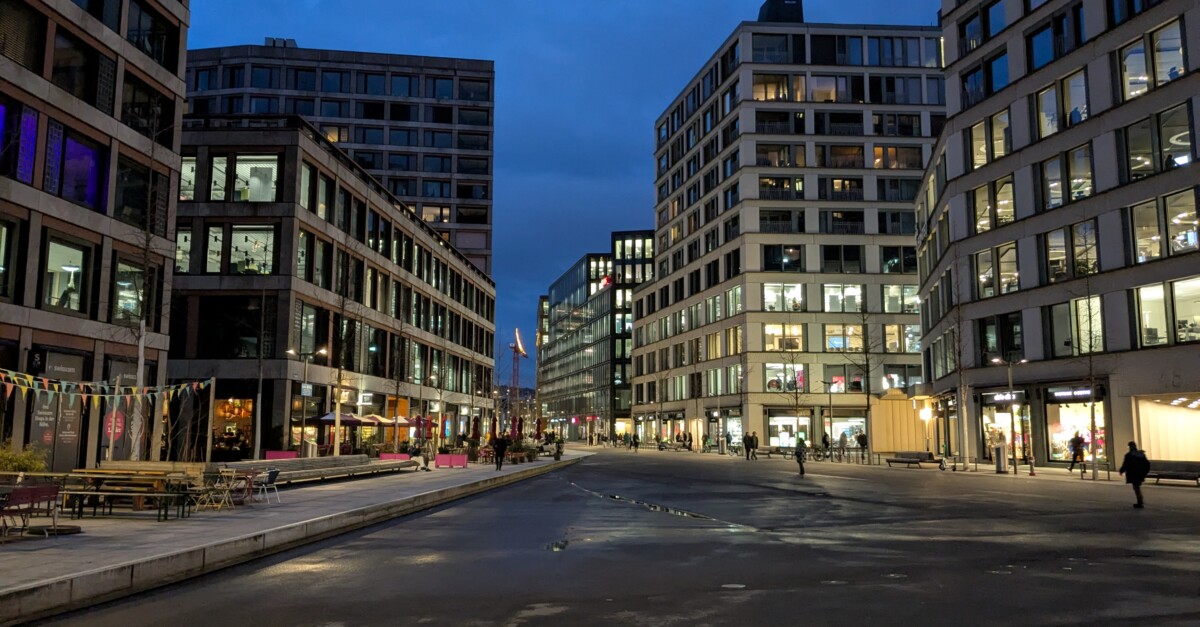
The prime example is in the middle of Zurich. A 4-room apartment on Europaallee costs around CHF 5,000 per month. For the tenants’ association, the project has become a symbol of real estate speculation with public land. SBB counters that it is a fair landlord and that its apartments are on average below the market price. But the impression of maximum densification for maximum profits persists.
Lausanne escalates
In Lausanne, the conflict is coming to a head. The “La Rasude” project right next to the train station is set to accommodate around 500 residents and 1,200 jobs. However, only 20 percent of the living space is earmarked for moderate rents, even though SBB officially promises to rent out more than half of its apartments at low prices. The result is now almost 1000 objections. Construction work could start in 2029 at the earliest.
The framework is lacking
Salomé Mall, Head of Development at SBB Real Estate, emphasizes that the profits are used for rail operations and relieve the burden on the public purse. The argument is understandable, but falls short. As long as there are no legal requirements for housing shares and rents, the orientation towards the common good remains voluntary.