immoTable Lucerne – Growth Requires Quality
At the 110th immoTable Lucerne, it became clear that the canton’s development cannot be measured solely by the number of new housing units or jobs. What matters most are available land, early planning, efficient transportation, and neighborhoods that offer a high quality of life.


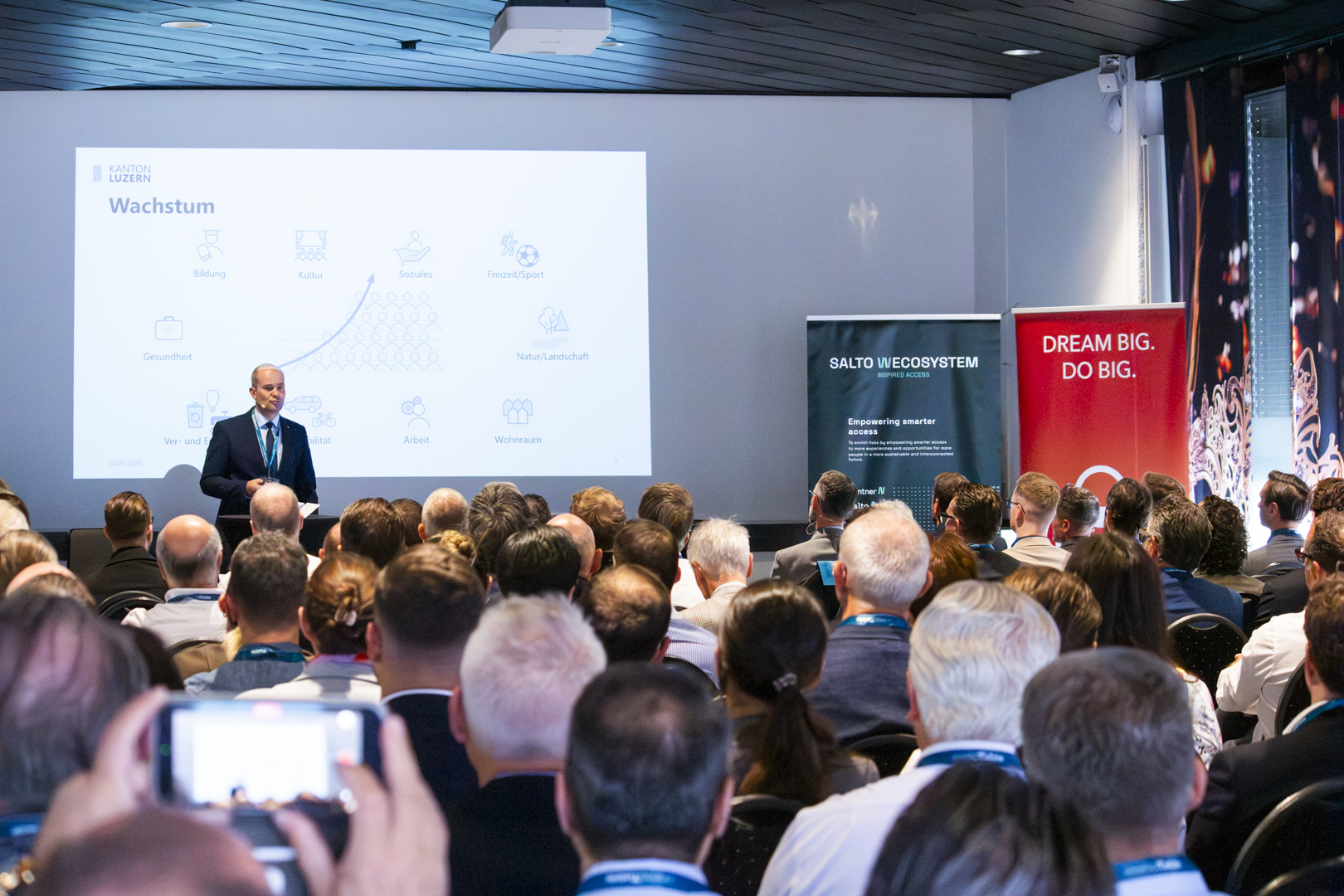
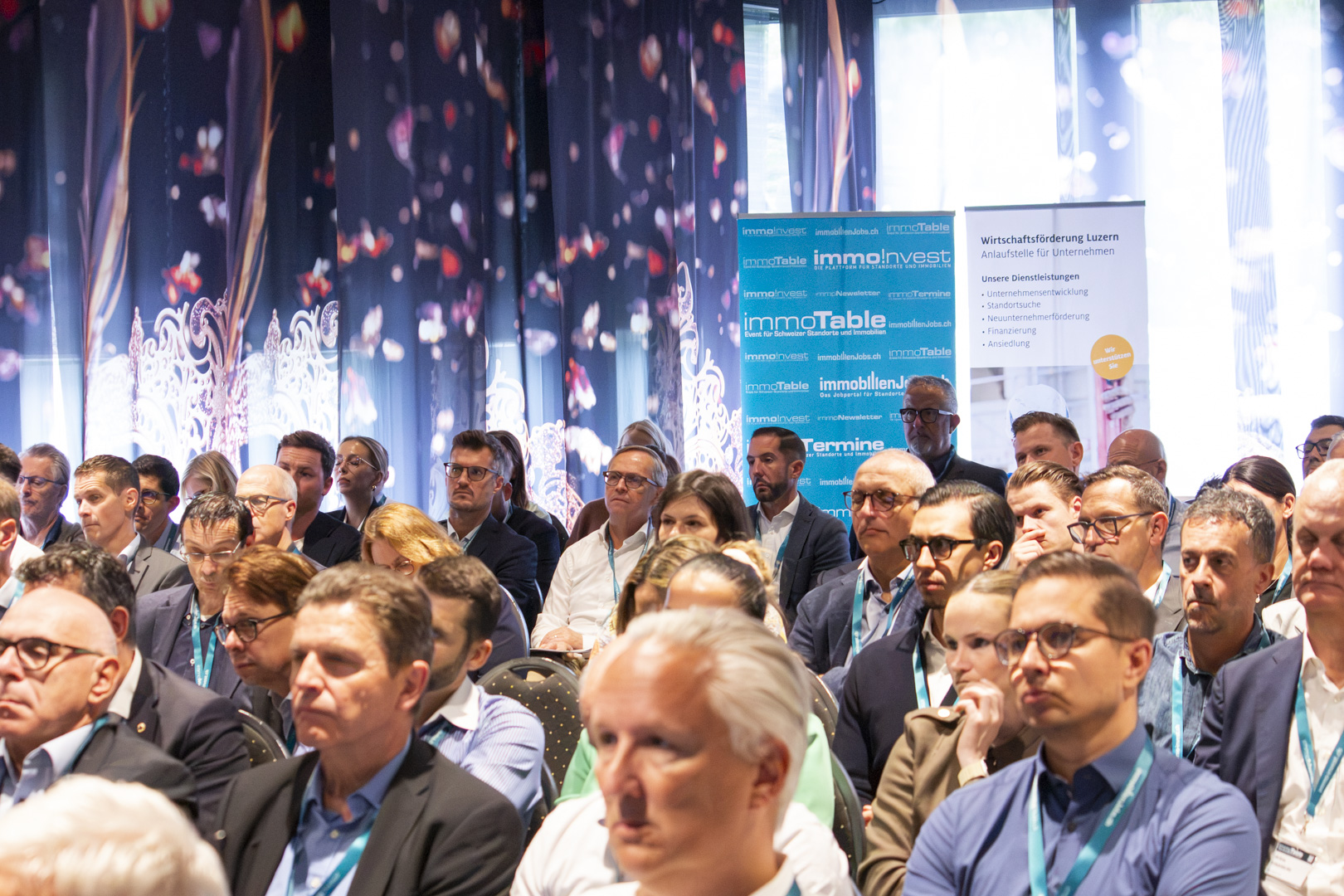
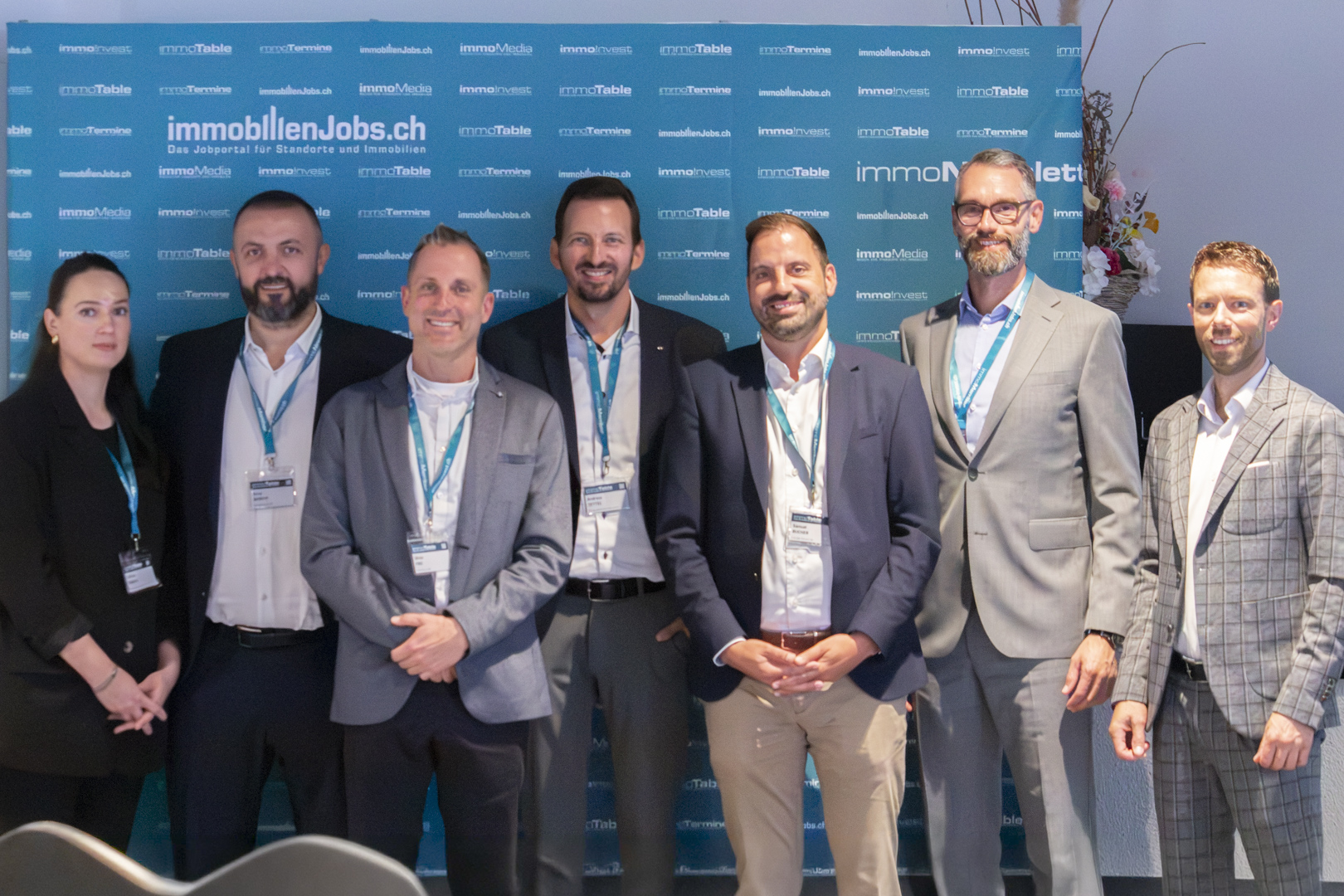
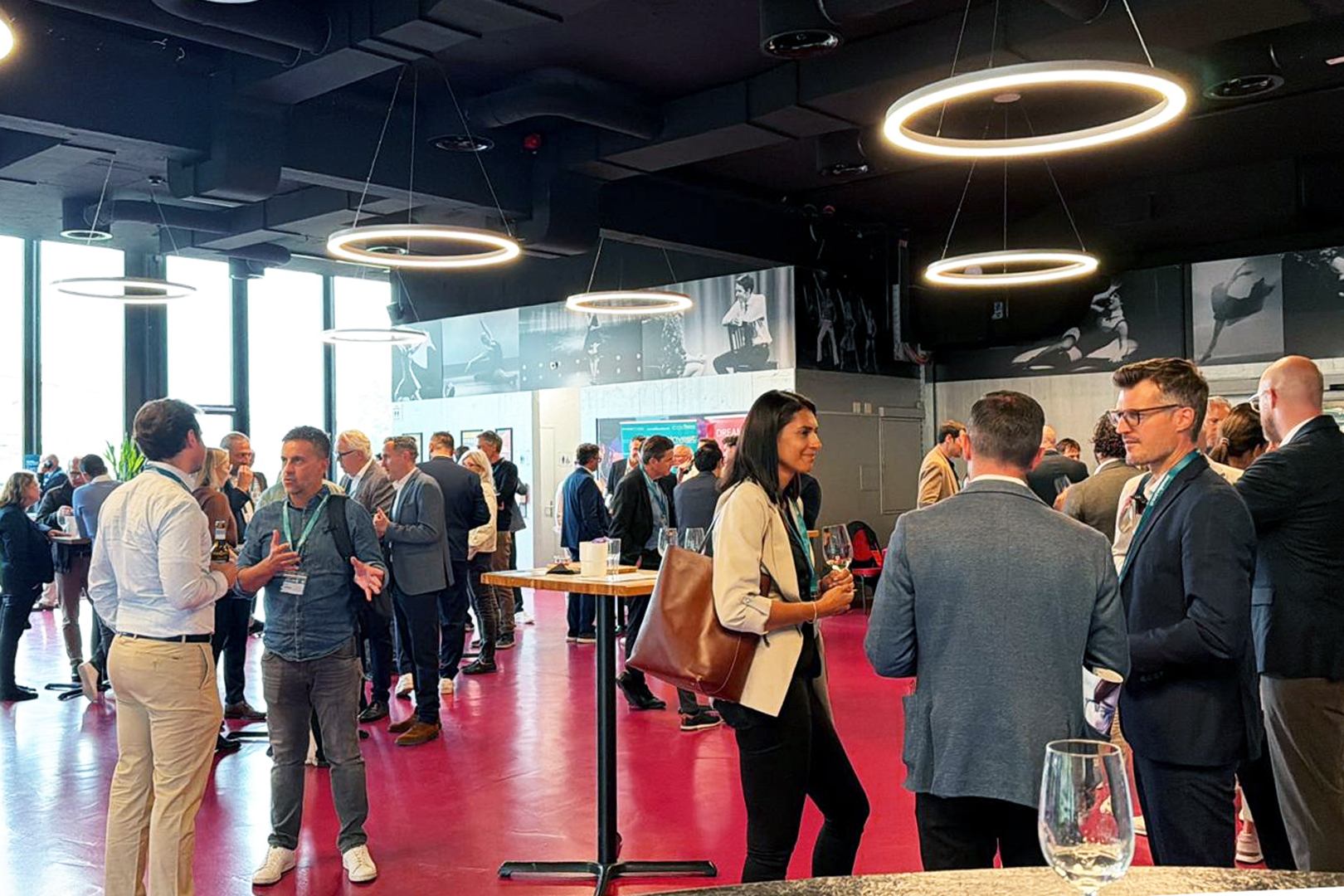


How can Lucerne continue to grow without exacerbating the housing shortage, traffic congestion, and pressure on existing neighborhoods? This question was the focus of the 110th immoTable Lucerne event on September 24 at the Gersag Culture and Convention Center in Emmenbrücke. Representatives from politics, the real estate industry, and urban development discussed how the economic region can maintain its momentum while ensuring sustainable growth.
State Councilor Fabian Peter highlighted the upcoming decisions regarding transportation and urban development. The through-train station, the bypass, and the planned partial overpasses in Lucerne South are key projects for the canton’s future development. To ensure that the expected population growth can be managed in a spatially sustainable manner, comprehensive planning, housing, employment areas, and infrastructure must work in tandem. At the same time, it is essential to strengthen the canton’s innovative capacity and consistently pursue the goals on the path to net-zero by 2050.
Samuel Bucher of Losinger Marazzi used the example of Nidfeld in Kriens to illustrate how long the lead times for major neighborhood developments can be. From the initial site selection in 2006 to the planned completion in 2028, the development spans 22 years. Before construction can begin, potential must be identified, a vision developed, procedures carried out, and the interests of authorities, property owners, partners, and the public reconciled. The design plan or building permit therefore does not mark the starting point, but rather the result of a long development process.
Andreas Zettel of the Lucerne Economic Development Agency emphasized the importance of attractive locations for existing businesses and new companies. Cantonal development priorities aim to integrate residential, transportation, and business development along well-connected mobility corridors. For Zettel, one thing is clear: “Lucerne is successful and remains attractive. Lucerne is the future.”
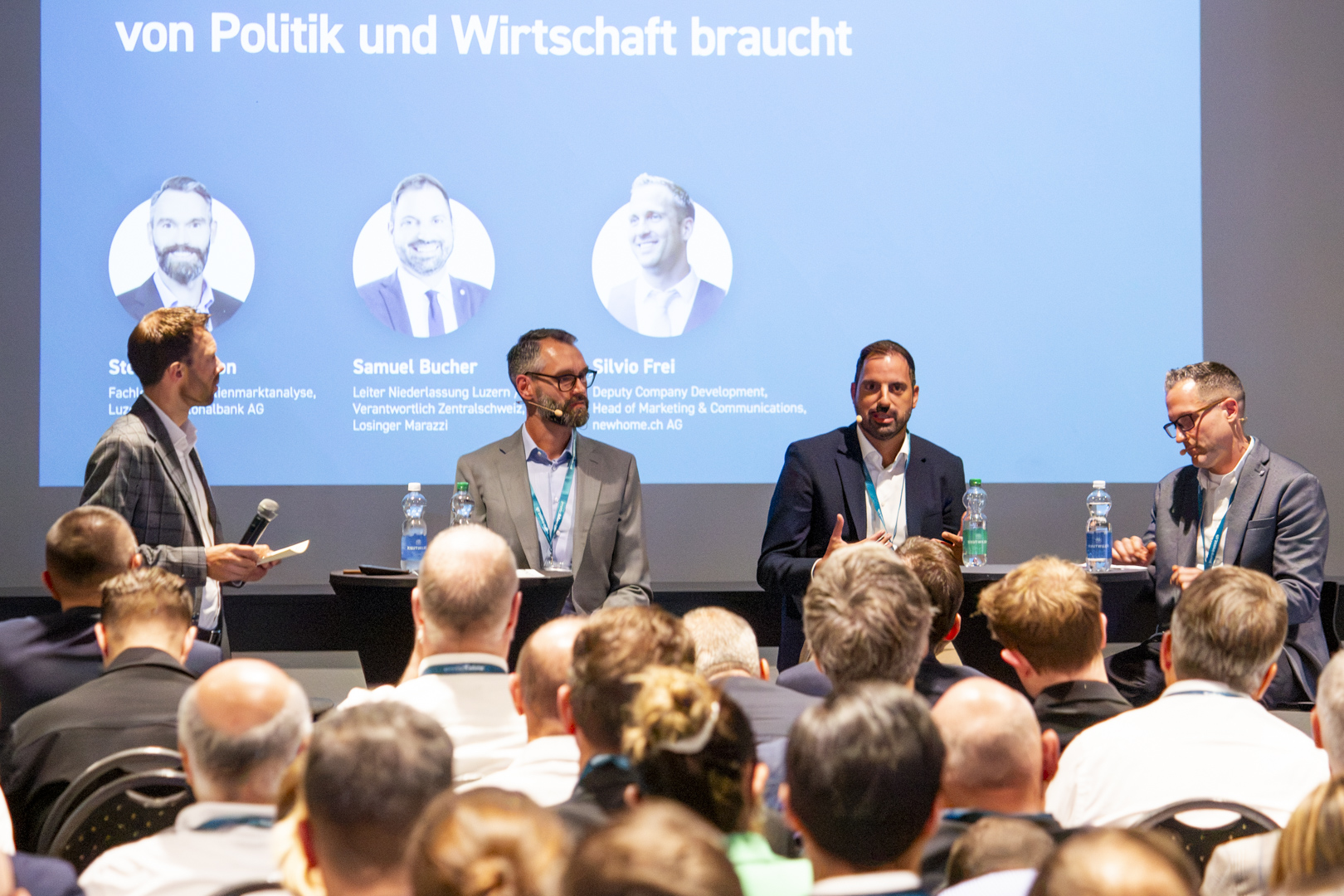
The panel discussion featuring Stefan Jönsson of Luzerner Kantonalbank, Samuel Bucher, and Silvio Frei of newhome.ch focused on the housing shortage, regulation, and urban densification. The high pressure on the housing market cannot be alleviated by a single measure. What is needed are additional housing units, available development sites, a clear legal framework, and reliable procedures for long-term investments.
In this context, densification must not be reduced to simply increasing building density. It must create neighborhoods that are appealing in everyday life. With attractive open spaces, well-designed public spaces, short distances, functioning services, and appropriate mobility options. Where this quality is evident, acceptance of change and larger-scale developments also increases.
The immoTable Lucerne made it clear that growth is not an end in itself. Development areas such as Lucerne South or Lucerne North can create added value for the region if housing, work, mobility, infrastructure, and quality of life are considered together from the very beginning.