Zurich is intensifying pressure on the rental market
Across Switzerland, the number of rental apartments advertised between April 2025 and March 2026 was about 4 percent lower than in the previous year. At the same time, the average time an apartment remained listed in Zurich fell to 12 days, marking the lowest figure ever recorded for a major Swiss city.
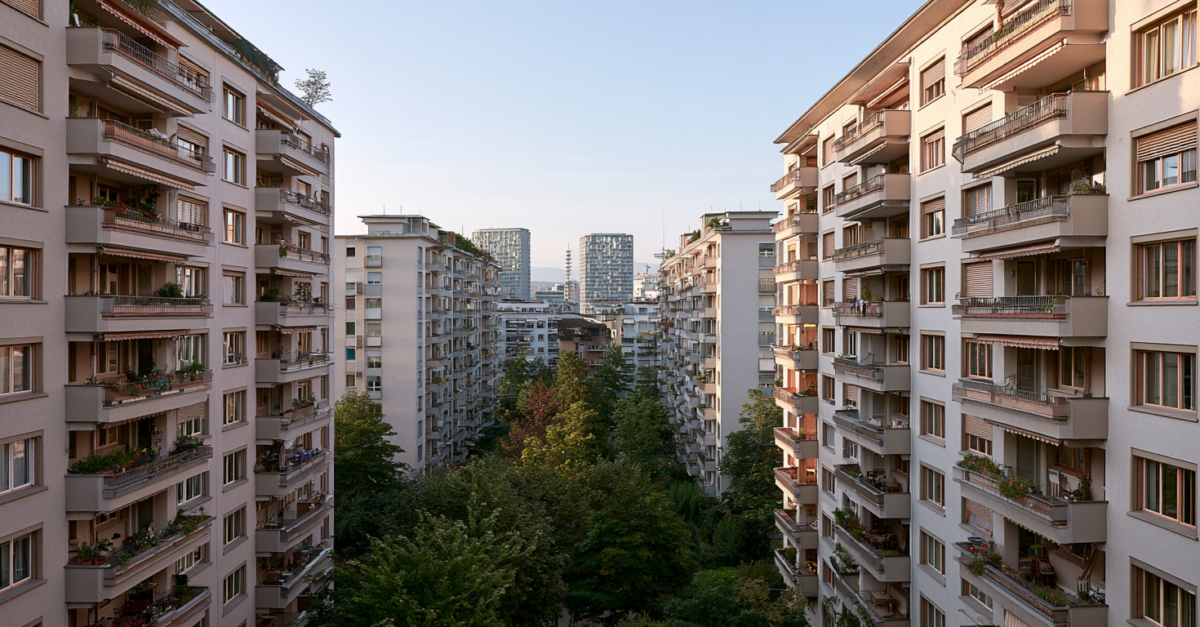

The Swiss rental housing market continues to diverge. While 393,897 rental listings were recorded nationwide between April 2025 and March 2026—about 4 percent fewer than the previous year—the average listing duration in Zurich has dropped to just 12 days. According to available data, this marks the lowest figure ever recorded for a major Swiss city since the OWI survey began in 2015.
For owners, property managers, and developers, this is more than just a statistical shift. The volume of listings is shrinking, while at the same time the market is holding onto existing tenancies more firmly. Anyone offering new housing in tight city centers faces demand that is quickly absorbed. In less competitive markets outside the hotspots, however, marketing times are lengthening significantly.
Two Markets in One Country
The new OWI survey reveals a sharp dividing line. In cities with high demand and limited space, supply remains too low to accommodate new tenants or those moving within the city. Zurich has thus overtaken Geneva as the most visible bottleneck market among the major cities. The shortage is even more pronounced only in Chur, with an average listing duration of 11 days. Winterthur (13 days) and Lucerne (15 days) also report very short marketing times.
At the other end of the spectrum is Neuchâtel, with 41 days. There, the listing duration has also reached a record high. This points to a market in which landlords are competing more fiercely for tenants and vacancy risks are becoming more pronounced. The latest city reports from Lugano and Geneva also mention declining demand.
Fewer moves, fewer listings
The decline in listings is not automatically a sign of falling demand for housing. Rather, the available data suggests that rising asking rents are dampening the willingness to move. When moving becomes significantly more expensive, many households stay in their current apartments. For the market, this means: less turnover, fewer listings, and even fiercer competition in city centers for every unit that becomes available.
The comparison with the previous period is noteworthy. For April 2024 through March 2025, the OWI had reported approximately 410,000 listings and an average listing duration of 23 days. The current survey reverses this picture: fewer listings, a slightly longer average time on the market nationwide, but even greater pressure in urban areas with limited supply.
Implications for Projects and Property Management
For the real estate industry, this makes it even more challenging—especially in urban centers—to bring additional rental apartments to market in a way that is both feasible and market-ready. At the same time, regional differences continue to gain significance. Anyone evaluating new construction, replacement construction, or repositioning projects can rely less than ever on national averages. In the summer of 2026, the rental housing market will not represent a single Switzerland, but rather several very distinct submarkets.