Viererfeld Raises the Bar for Cooperative Housing
In Bern’s Viererfeld neighborhood, the cost of purchasing a cooperative apartment is rising significantly. Following the decision on June 1, 2026, the minimum equity contribution will rise to 2,000 francs, plus share certificates totaling approximately 40,000 francs, depending on the size of the apartment. This exacerbates the conflict between social needs and project financing.
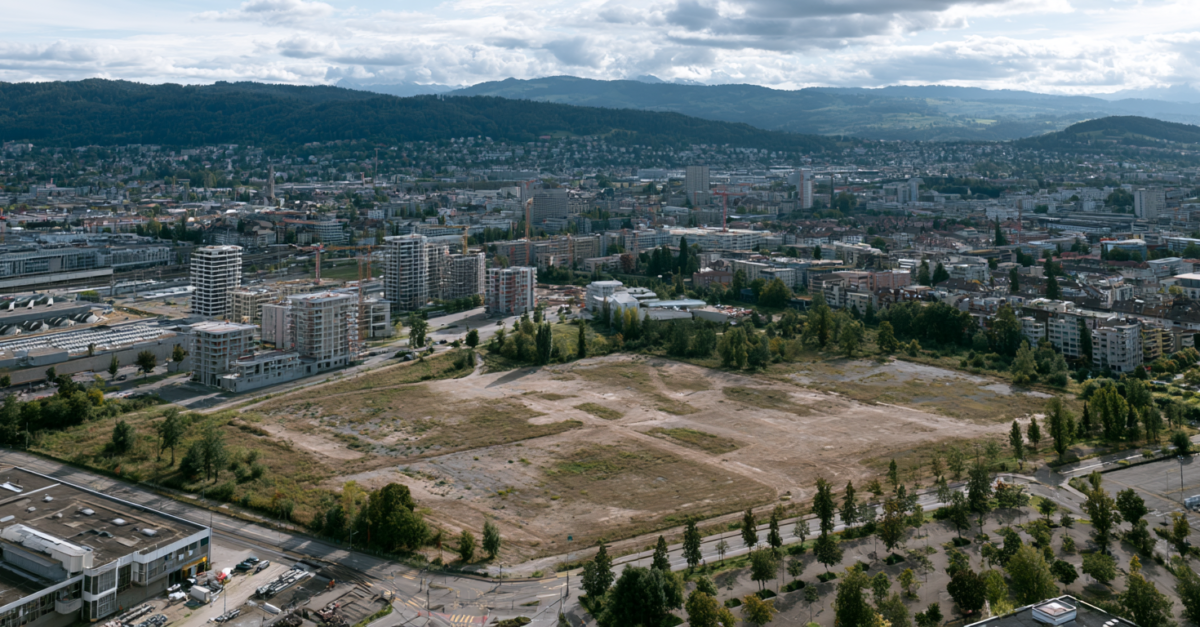

The new minimum share requirement is only part of the problem. For the project—which includes about 200 apartments for roughly 500 people—the cooperative itself expects that future tenants will also have to subscribe to substantial shares of the housing units. For a 4.5-room apartment measuring about 90 square meters, at a rate of roughly 400 francs per square meter, the capital requirement comes to about 36,000 francs. Combined with the membership fee, the entry threshold thus stands at nearly 40,000 francs.
The situation is also contentious because the start of construction for the cooperative’s building block has already been postponed. According to the City of Bern and the cooperative, the start of construction has been pushed back by about 2.5 years to 2030, with the first apartments not available for occupancy until 2032 at the earliest. More time in the development phase therefore does not automatically ease the financing burden; rather, it prolongs it.
Limited capital base
In its 2024 annual report, the cooperative reports equity of 165,232.08 Swiss francs. At the same time, it remains committed to its goal of undertaking a non-profit portion of the first phase of construction at Viererfeld. This presents a familiar dilemma for project developers and nonprofit organizations. Anyone embarking on a large new construction project without existing properties must secure equity capital from other sources before construction begins. In this case, that pressure is clearly shifting onto the future residents.
Social Mix Becomes a Real-World Test
This is particularly sensitive at Viererfeld because the neighborhood is intended to be developed with a social mix of nonprofit and market-oriented housing units. The city of Bern is planning a total of over 1,000 apartments there. If access to a family apartment requires a significant amount of tied-up funds even before moving in, the barrier to entry becomes significantly higher for households with limited financial reserves. The cooperative continues to point to affordable rents, potential solidarity-based solutions, and subsidized housing. However, the key question is whether these measures will take effect at the time of the initial lease and not just years later.
Planning Continues
Regardless of the debate, development of the site continues. According to its project page, the Hauptstadt Cooperative has a notarized reservation agreement with the City of Bern and is working on the project—for which a building permit has been granted—for its section of the development. For the real estate market, therefore, the main question is not so much the planning framework as how non-profit status, cost-based rent, and equity requirements can be practically reconciled in a large-scale urban development project.