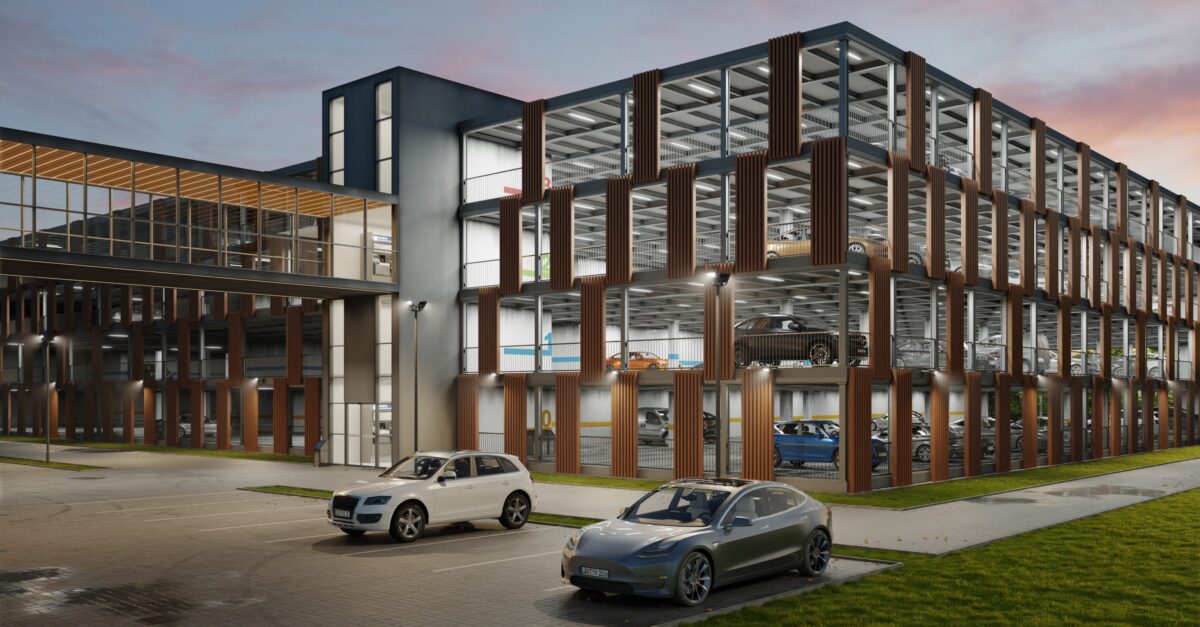
It’s 3 a.m. in the underground parking garage of an apartment complex. No cars are moving, yet the fluorescent lights are still on, just as they have been for the past 25 years. This was never an issue for the property owners—the tenants pay the electricity bill. Now, however, there’s someone who needs those kilowatt-hours.
Who buys it
Section 46b of the Energy Act requires electricity suppliers with annual sales of 10 GWh or more to demonstrate efficiency measures among end users: 1 percent of their previous year’s sales in 2026, 1.5 percent in 2027, and 2 percent starting in 2028. The savings may come from end users throughout Switzerland, not just from their own customers.
What Is Being Sold
For utilities, lighting is the simplest case: The Swiss Federal Office of Energy provides the calculation method for the replacement and operational optimization of indoor lighting; no permit is required. It is not a single year’s savings that is sold, but rather the savings over the entire effective period set by the federal government, minus a flat rate of 25 percent. The greatest savings are realized where lights stay on for long periods—in underground parking garages, stairwells, and hallways. Anyone who invests can sell these savings.
A Young Market
The requirement is new, and the market is still taking shape. There is no standard rate or central exchange, and the federal government does not regulate the price. Utilities currently procure savings in three ways: through their own incentive programs, in which they pay a contribution toward the measure and credit the resulting savings; through energy consulting firms and brokers who track savings and report them to utilities; and through direct contracts, especially for large volumes.
What Homeowners Can Do
- Ask your own utility. That’s the obvious first step. Whether they have their own program or purchase through third parties, they know the process. energiefranken.ch also lists regional programs by ZIP code.
- Consult an energy consulting firm. Specialized firms prepare the savings report, can bundle smaller projects, and refer them to utilities.
- Negotiate directly for large portfolios. Obligated utilities are permitted to purchase energy nationwide. Those who bundle multiple properties can submit inquiries to several utilities.
Already renovated?
Measures implemented after January 1, 2025, are eligible, and they may also be reported at a later date. Anyone who has renovated since then without subsidy funds can still claim the savings, provided the supporting documentation is available. Whether a utility purchases them depends on the volume and documentation.
Conclusion: Payment is guaranteed either way
Grid operators are permitted to pass on the costs of the efficiency obligation to customers receiving basic service. So payment is guaranteed in any case. The only open question is who will deliver the savings and receive payment for them.
Analysis Package for Properties
To get started, LEDVANCE Switzerland offers a free analysis package for properties: a self-assessment for each property, an overview of funding options, a decision-making guide, and regional lighting experts for on-site assessments. Available free of charge and without registration through December 31, 2026.