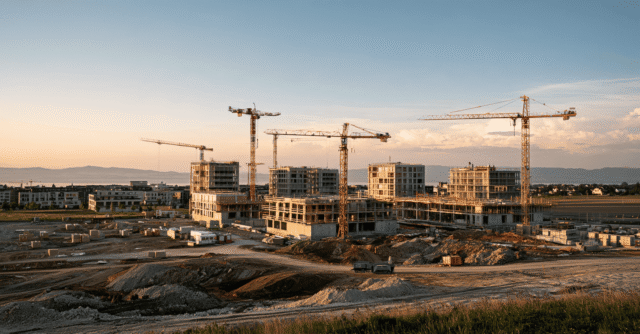

On 12 November, the Lucerne City Council is due to decide on the Reussbühl West development plan. The proposal establishes the planning framework for the redevelopment of an area – currently predominantly commercial and industrial – surrounding the former CKW Shedhalle. According to the city, the plan is not expected to come into force – a prerequisite for its implementation – until 2027 at the earliest.
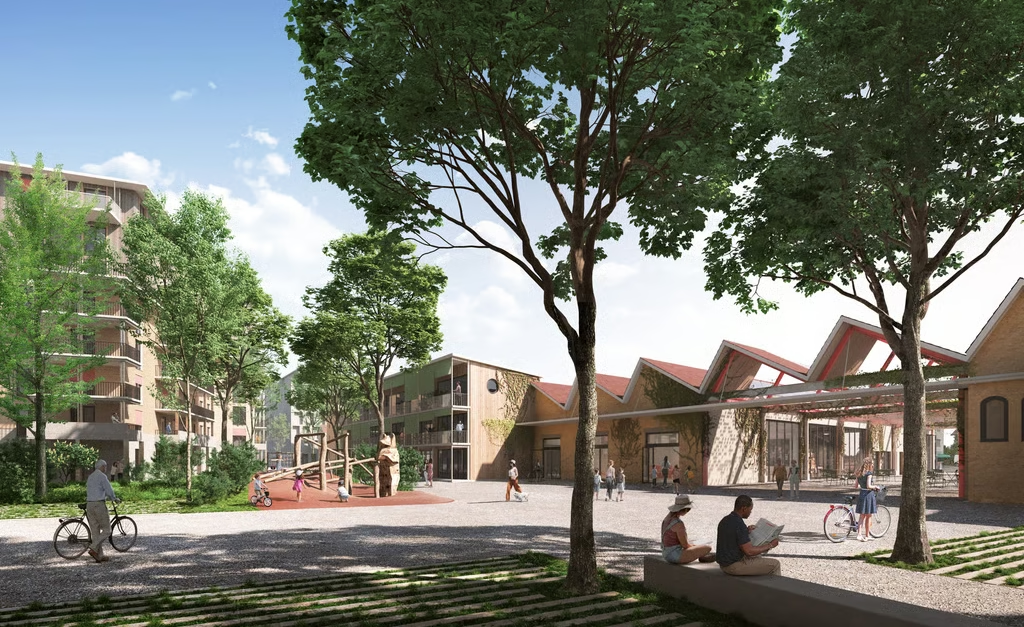
Within the perimeter of around 56,000 square metres, plans provide for around 700 to 800 additional flats, as well as commercial, office, retail and catering spaces, and new open spaces. The former CKW site accounts for around half of the development plan’s perimeter. The city intends to partially preserve the Shedhalle and revitalise it with public-facing uses.
Industrial zone remains a bone of contention
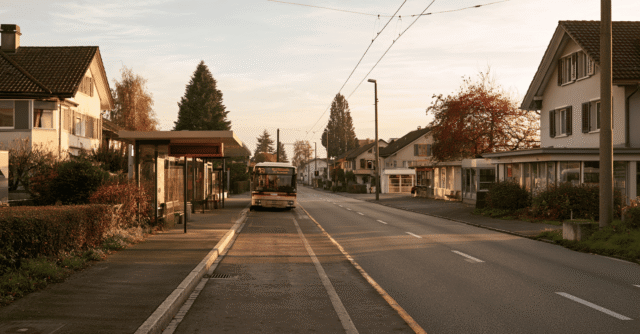
The political opposition is fuelled primarily by the site’s proximity to the Täschmatt industrial zone. According to the publicly documented objections, local residents and landowners warn of conflicts of use between new residential developments and existing commercial activities. They fear further disputes over noise and traffic, as well as long-term pressure on businesses in Täschmatt. Conversely, other objectors have called for binding safeguards for the industrial zone. The City Council rejects this line of argument and remains committed to the coexistence of high-density residential development in Reussbühl West and small-scale manufacturing businesses in the town.
Social housing, high-density, low-traffic
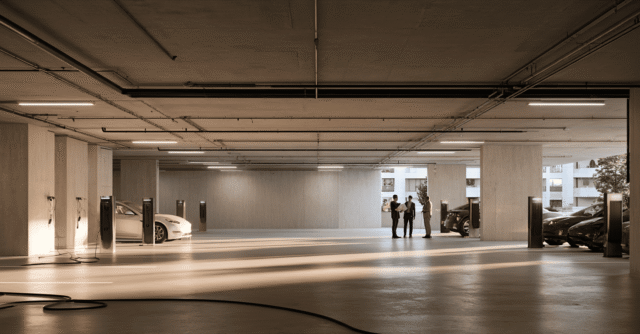
On seven out of eight building plots, at least 20 per cent of the flats must be social housing. The regulations set out the aim of creating a vibrant, mixed-use neighbourhood with a strong sense of identity. Plans also include a largely car-free centre, attractive streets, squares and green spaces, as well as high standards for energy efficiency, microclimate and environmental quality. The development is to be designed to meet exemplary energy standards in line with SNBS-Areal or Minergie-Areal.
The Tenants Association is also stepping up the pressure
The Lucerne Tenants’ Association criticises the proportion of social housing as too low and is calling for stricter guidelines on short-term lettings. The city points out that the quota had already been set in the 2016 pilot plan. At the same time, it emphasises that no additional short-term lettings are provided for in the plan. For the property sector, the case is a contentious one, as it involves not only negotiations over a major housing project but also the delicate balance between densification and the protection of urban employment zones.