Heritage protection is holding back the construction of replacement housing
In the Tscharnergut neighbourhood of Bern and in other residential areas, heritage conservation and housing regeneration are at loggerheads. Whilst property owners and housing cooperatives are pushing for replacement buildings, objections are dragging proceedings out for years, thereby exacerbating the shortage of modern homes.
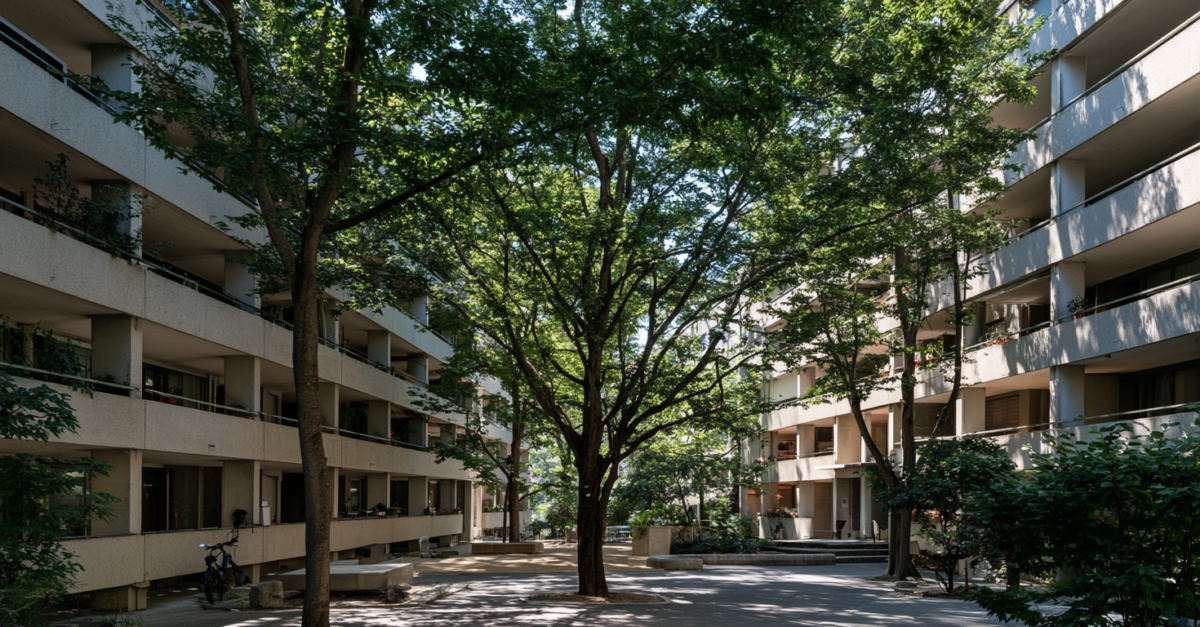

In Bern’s Tscharnergut district, this conflict is coming to a head in a specific development project. The FAMBAU co-operative is planning to build a replacement for a block of flats dating from 1959 at 30 Fellerstrasse. According to its current project overview, the existing building is to be replaced with 3.5- and 4.5-room flats. The project has been stalled for years after the planning permission was revoked following an appeal.
For the sector, therefore, this case is more than just a local dispute over a single building. It illustrates how difficult it is to adapt post-war housing estates to the present day – technically, economically and socially – when the aim of conservation is the complete preservation of the building fabric. In Tscharnergut, affordable rents are offset by floor plans and building structures that can only be adapted to today’s requirements to a limited extent.
Objections as a bottleneck
The political sensitivity of the issue has also recently increased at federal level. A study commissioned by the federal government and published in 2025 concluded that objections and appeals are the main obstacle to new housing or cause delays in its completion. Eighty per cent of the housing developers surveyed stated that this causes projects to come onto the market later than planned. In June 2026, the relevant National Council committee also supported motions against abusive planning objections.
This adds further tension to the dispute over the Tscharnergut site. The issue there is not just one of architectural history, but of whether it is even realistically feasible to build replacement properties with a higher standard of living in listed housing estates. For housing cooperatives, this becomes a cost issue when renovations, whilst requiring high levels of investment, only partially remedy key shortcomings in floor plans, sound insulation or accessibility.
Bern and Zurich provide parallel cases
Similar conflicts are also unfolding in other locations. In Bern, planning for the Meienegg housing estate has been subject to the public consultation process since early 2024. At the time, the city held out the prospect of a referendum, likely to be held at the end of 2026. In the Zurich area, meanwhile, the redevelopment of the Dreispitz housing estate in Embrach, planned by the Silu co-operative, failed, even though the local council, the property owner and an expert had previously negotiated a compromise.
This leaves a fundamental question unresolved for property owners, co-operatives and planners. If even replacement developments with broad support in ageing housing estates remain blocked for years, the renewal of housing stock is being postponed – even in areas where technical limitations and high follow-up costs have long been apparent.