The displacement effect is not just an urban phenomenon, but the result of a clear supply gap. According to UBS, between 2021 and 2025, Switzerland’s population grew by nearly 460,000 people, which corresponds to approximately 240,000 additional households. However, only about 220,000 housing units were built during the same period.
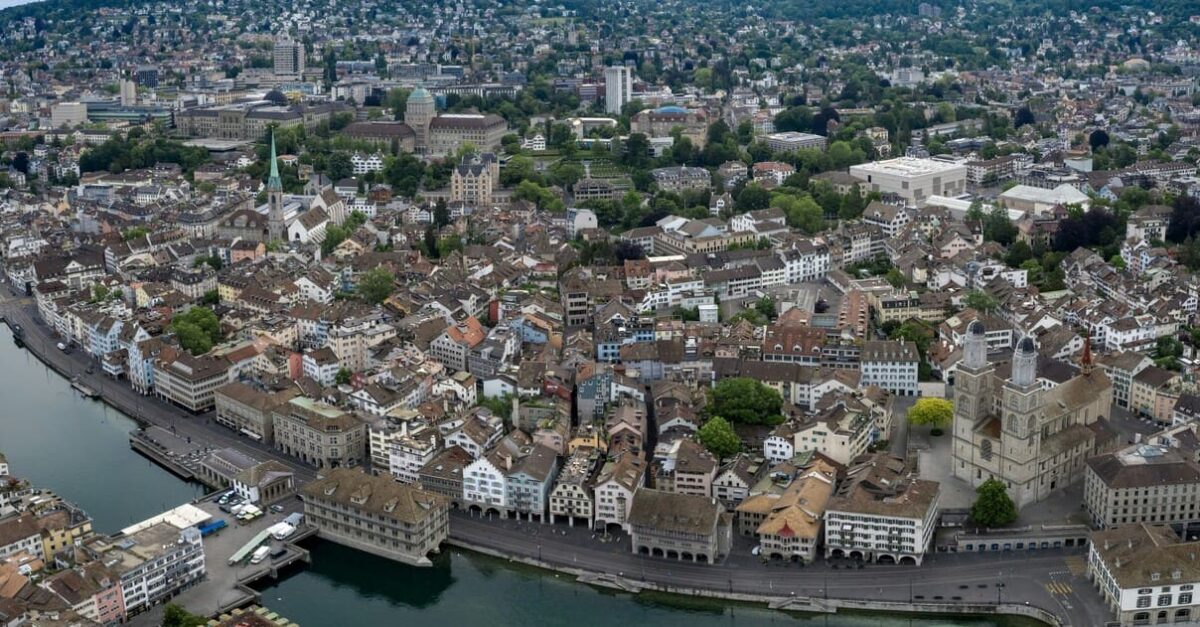
This is particularly evident in the Zurich area. Although the city recorded a net inflow of nearly 38,000 people from abroad between 2021 and 2025, it lost a net total of about 21,500 people in migration to other municipalities within Switzerland. As a result, demand pressure is shifting further from the city center to neighboring and, in some cases, more distant residential areas.
Shortages are shifting outward
Over the past five years, cantons on the outskirts of major urban centers have benefited most from this shift. UBS cites Schaffhausen, Valais, Fribourg, Aargau, and Thurgau as cantons with particularly strong population growth, averaging 1.4 to 1.6 percent per year. These regions have attracted not only people from abroad but also households from other cantons.
This trend is consistent with the persistently tight housing market. In September 2026, the Federal Office for Housing described the situation as having worsened further, particularly in the greater Zurich area, in Central Switzerland, and in several mountain regions. The vacancy rate in the canton of Zurich also remained at a very low level in 2026, at 0.52 percent.
Some Relief, but No Price Drop
For 2026, UBS expects population growth of only 0.7 percent, down from just over 0.8 percent the previous year. This may stabilize the market somewhat, especially as residential construction is picking up slightly. Nevertheless, the bank does not anticipate a further decline in the vacancy rate for 2027, and rents are likely to continue rising for the time being.
In the long term, the trend could reverse again. If demand growth continues to slow, the quality of location will once again become a more significant factor. Rural regions with poor infrastructure, in particular, would then have to expect rental income and market values to come under pressure.