
In the second quarter of 2026, the primary construction sector generated revenue of 6.2 billion Swiss francs. This represents an increase of 1.3 percent compared with the same period last year. Over the first half of the year as a whole, construction activity rose by 3.1 percent, while new orders increased by 1.6 percent.
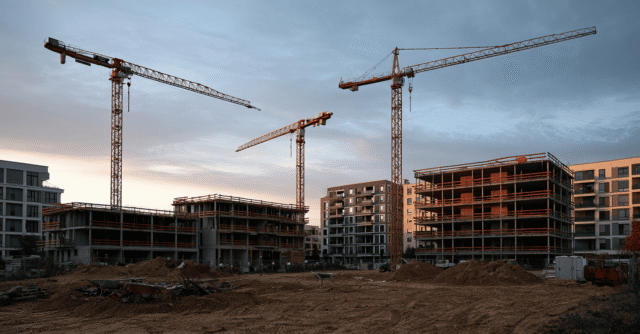
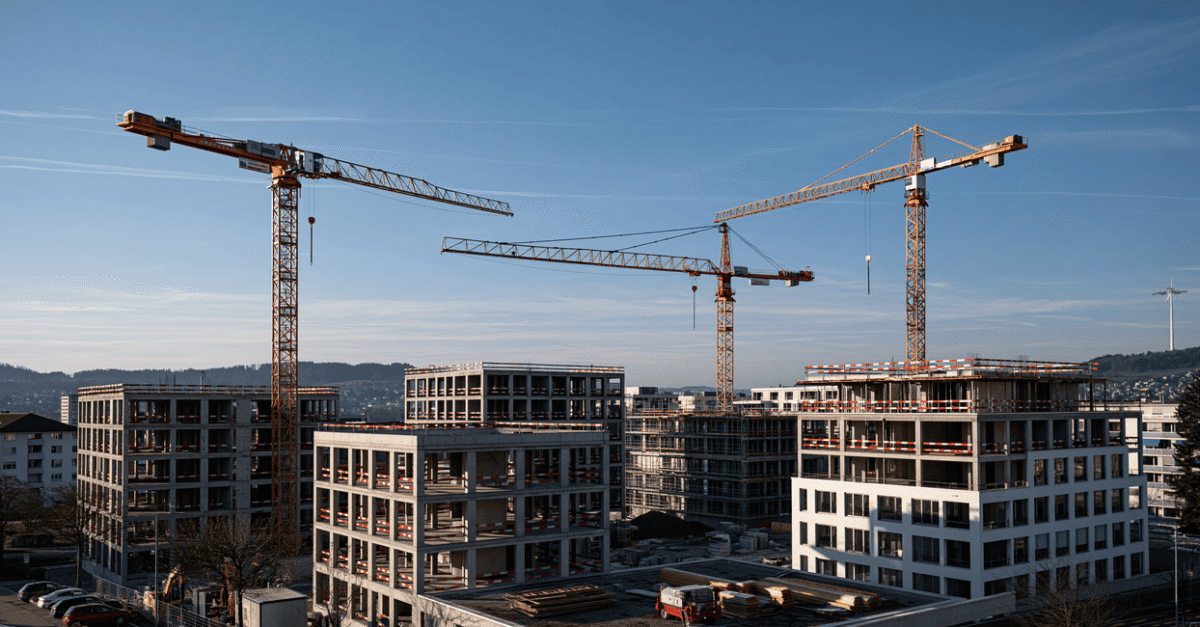
Building construction was the main driver of this growth. Residential construction and public building construction each grew by more than 5 percent in the first half of the year. In civil engineering, however, construction activity declined by 2 percent. At the end of June, the backlog of work in building construction stood at 8.7 billion Swiss francs, and in civil engineering at 8.2 billion Swiss francs.
48,000 Apartments on the Horizon
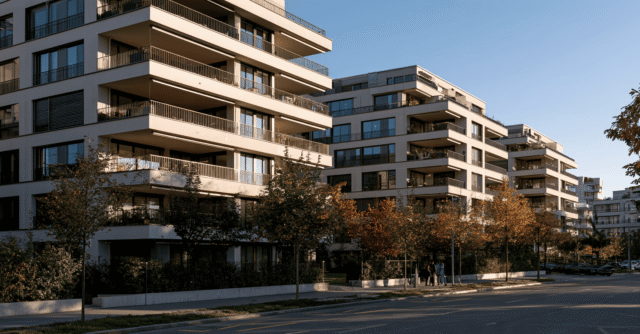
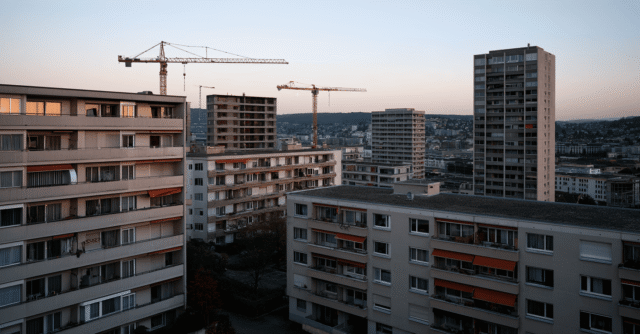
Residential construction is responding to high demand and housing markets that remain tight. According to the Swiss Contractors’ Association, residential construction contracts awarded in 2025 point to approximately 48,000 new apartments in 2026. Supply is thus at least beginning to catch up with demand again.
However, this figure needs to be put into context. The backlog of work is significantly larger today than it used to be. While it corresponded to about five months of construction activity in the 2000s, it has stood at around eight months since 2020. This ensures full capacity utilization but is also a sign that housing projects are taking longer from contract award to completion.
The bottleneck lies before the construction site
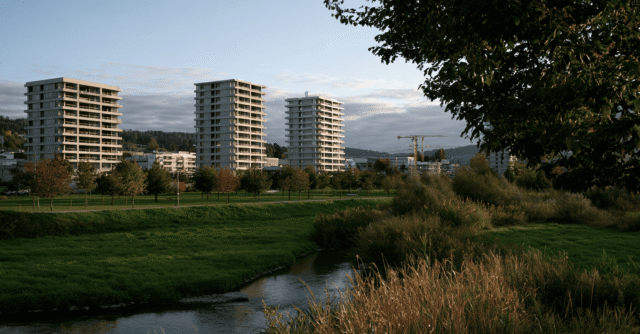
Densification is challenging. It requires coordinated planning, complex procedures, and often the balancing of differing interests. Objections and appeals can further delay projects. Therefore, a high order backlog is not a reliable leading indicator of housing availability in the short term.
Housing construction is likely to cool off again in 2027. Applications for residential construction showed weaker growth in 2025. Although a similar number of new contracts were awarded in residential construction in the first half of 2026 as in the previous year, the Builders’ Association expects momentum to trend downward in the second half of the year.
Civil Engineering on Hold
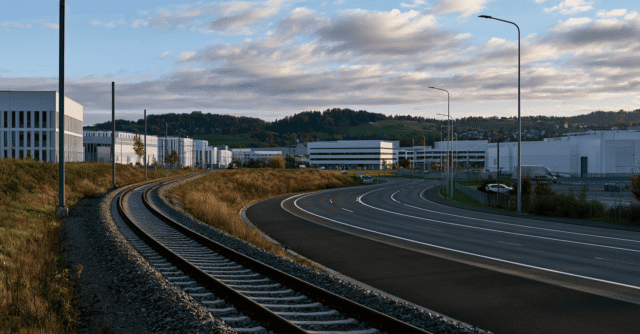
In civil engineering, the primary issue is not a lack of work. The backlog of work is high, but construction activity is stagnating. Delayed procedures, limited human and financial resources, and ongoing rail operations are slowing down maintenance and expansion of the rail network in particular. Price pressure also remains high for national and cantonal roads.
The “Transport ’45” program could provide new impetus. With this program, the Federal Council aims to coordinate the expansion of railways, national highways, and metropolitan area transit for the first time in a single proposal by 2045. The consultation period runs through October 9, 2026. The message is then scheduled to be submitted to Parliament in February 2027.
Growth Requires Implementation Capacity
The construction industry is not projected to experience a boom in 2026, but rather solid growth. The key question is not merely how many projects are planned. What matters most is whether they can be implemented more quickly and reliably.
For policymakers, project owners, and the industry, the challenge lies before construction begins. Streamlined procedures, a sufficient supply of skilled workers, and long-term, secure infrastructure funding would turn full order books into urgently needed housing, efficient transportation networks, and well-functioning cities more quickly.