Whoever blocks, pays
An objection about the color of the neighboring house. An appeal that puts a housing project on hold for five years. What is legally possible in Switzerland is set to become much more difficult in future. On April 22, 2026, the Federal Council adopted a postulate report aimed at freeing residential construction from the objection trap. The aim is to build faster, build more densely and enshrine this in law as a national interest.
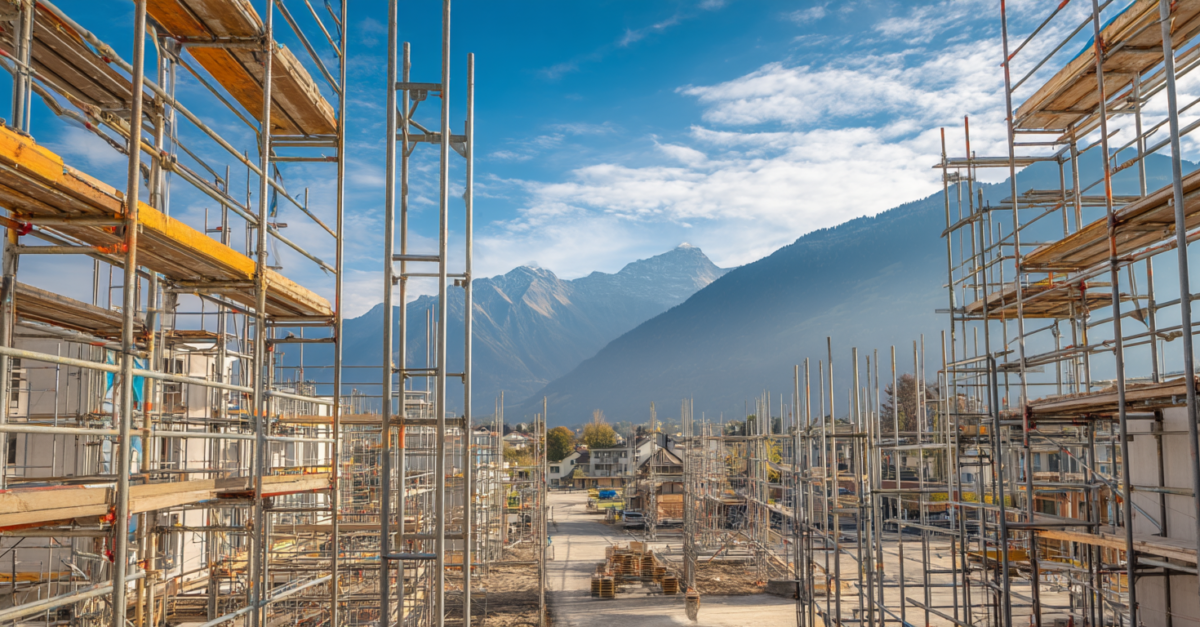

The majority of building permit procedures in Switzerland take place within reasonable time limits. However, there are exceptions and these have a serious impact. Objections and appeals can block projects for years or prevent them altogether. Today, even people who are not directly affected by a project can lodge an objection, for example because they don’t like the color of the neighbor’s planned façade. This is one of the structural weaknesses that the Federal Council is now addressing.
Housing construction becomes a national objective
The strongest lever in the reform package lies in the Spatial Planning Act. Housing construction as part of inward settlement development is to be enshrined there as a national interest. This sounds technical, but has a concrete effect. When weighing up interests, housing construction would be given more weight than the protection of the townscape or listed buildings. Projects that currently fail due to local protection interests would have a better chance of being realized.
Objections with consequences
Anyone who raises objections improperly, i.e. with the sole aim of delaying a project, should in future bear the procedural costs. The Federal Council is considering a legal obligation for the cantons to impose such costs on objectors. At the same time, the right of private individuals to appeal to the Federal Supreme Court is to be restricted. However, the Federal Council rejects flat-rate fees for rejected appeals. Access to legal protection should not depend on your wallet.
The limits of the federal government
Despite the political will, the federal government’s scope for intervention is limited. Building permit procedures are the responsibility of the cantons. The federal government cannot impose binding deadlines for cantonal procedures or the obligation to introduce digital approval processes. It recommends that the cantons introduce such measures on their own responsibility, as they have a demonstrably accelerating effect in the long term. The Swiss Construction Industry Association supports this approach and is calling for leaner processes while maintaining a high level of planning quality.
Consultation
The reform report fulfills five postulates from the National Council and Council of States and is part of the federal government’s housing shortage action plan. DETEC has now been instructed to draw up a consultation draft by the end of 2026. It is likely to be years before concrete legislative changes come into force.