New standard turns buildings into tradable CO₂ sinks
In cooperation with myclimate, OPENLY from Widnau has issued the first CO2 certificates for CO2 sinks in buildings and registered them in the Global C-Sink Registry of Carbon Standards International (CSI). The underlying Global Construction C-Sink standard was developed by CSI.
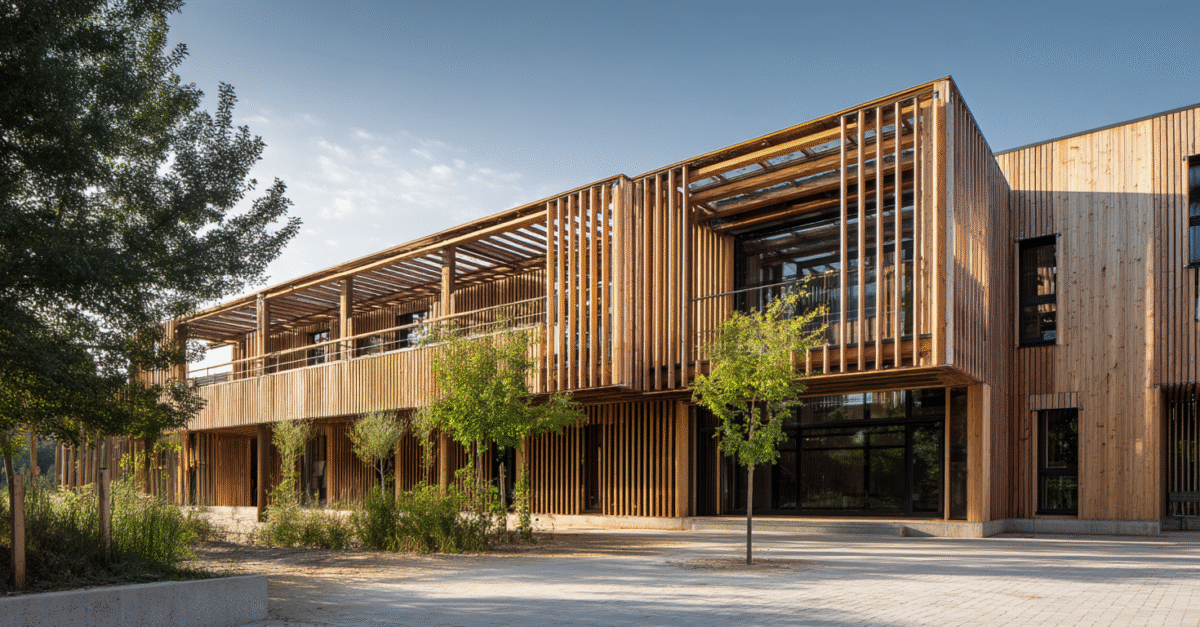

The Global Construction C-Sink Standard from the Frick-based company Carbon Standards International has been the basis for issuing CO2 certificates for a biogenic building for the first time. They were issued by OPENLY, according to a press release. The Widnau-based pioneer for biogenic building construction and CO2 sinks in buildings offers these CO2 certificates together with the climate protection organisation myclimate.
As a result, the first Global Construction C-Sink was registered in the publicly accessible Global C-Sink Registry. This means that the standard has an immediate effect, as the carbon is considered to have been stored from day one. The sink is precisely localised in the building and can be traded globally. “Certifying buildings as carbon sinks creates a measurable climate benefit, promotes sustainable construction and paves the way for tradable carbon credits that drive change in the construction industry,” OPENLY CEO Andy Keel is quoted as saying.
The Global Construction C-Sink Standard verifies buildings and structures that contain biomass-derived and carbon-storing materials. This biomass, which includes hemp, straw, wood and biochar, represents carbon sinks. Each verified building can be registered in the Global C-Sink Registry. It is recognised by the Geneva-based International Carbon Reduction and Offset Alliance ( ICROA).
According to Carbon Standards International, Swiss Re, Shopify, Atlassian, Banque Pictet, Woolgate Exchange Unit Trust, Celonis, Arup Group, Storebrand and Zooplus are among the first companies to use C-Sink credits based on the Carbon Standards of Carbon Standards International. In addition, the operator of the CO2 sink register is currently holding internal discussions about possible partnerships and collaborations.