New silicon acids could destroy “eternal chemicals”
Researchers at TU Berlin have achieved a breakthrough: They have developed a new class of silicon-based super Lewis acids that can break down even extremely stable compounds such as PFAS. This opens up prospects for green chemistry, recycling processes and the degradation of highly hazardous pollutants.
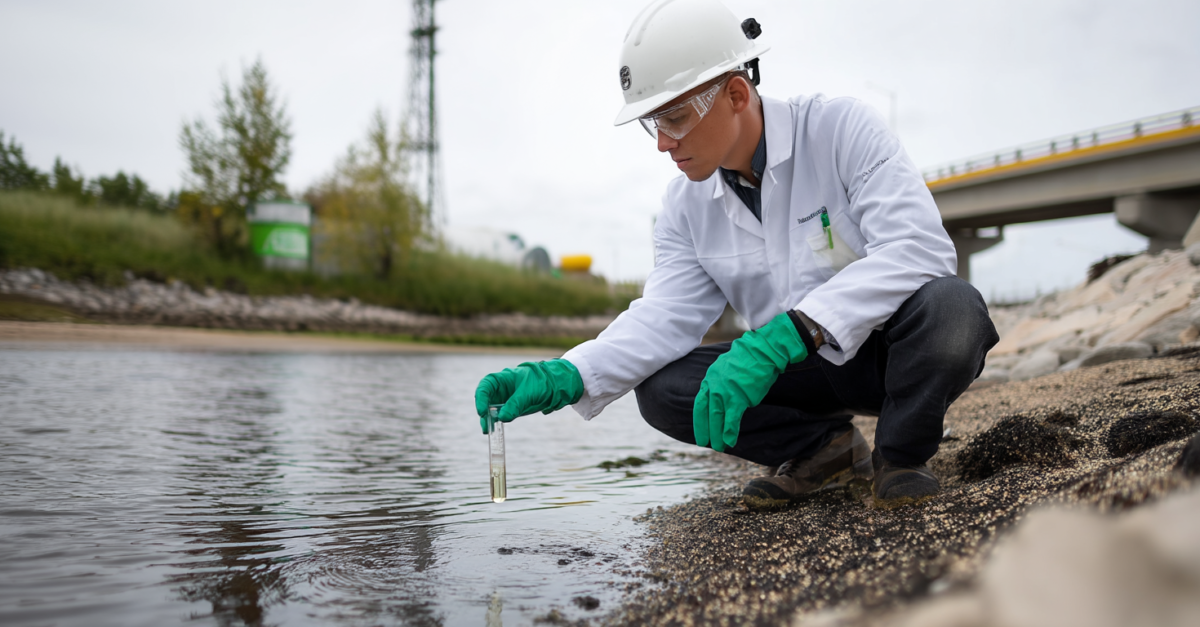
Per- and polyfluorinated alkyl substances, PFAS for short, are considered “eternal chemicals” as they do not degrade in the environment. Their highly stable carbon-fluorine bond resists light, water and microorganisms. This is precisely where the newly developed super Lewis acids come in. They exhibit extreme “electron greed” and directly attack the resistant structures of PFAS.
Complex production with a big impact
For a long time, these compounds were only considered a theoretical concept. Only innovative methods such as protolysis made it possible to produce them synthetically. Proven processes from carbon chemistry were transferred to silicon. The experiments were highly sensitive. They had to be carried out in an inert gas atmosphere, as even the slightest traces of oxygen or water would prevent the reactions.
Quantum mechanics provides the key
For the first time, the strength of these molecules was fully predicted using quantum mechanics. These calculations not only confirmed the extreme reactivity, but also enabled a precise understanding of the mechanisms. Spectroscopic methods such as NMR validated the predictions. The combination of theory and experiment is therefore a milestone in catalysis research.
Catalysts for environmental protection
The new super Lewis acids behave like catalysts. They change during the reaction, but regenerate again and are not permanently consumed. This means that the smallest quantities are sufficient to render highly toxic PFAS compounds harmless… A decisive advantage over previous approaches.
With silicon-based super Lewis acids, a realistic solution to the global PFAS problem is within reach for the first time. They could become a key instrument for recycling, green chemistry and the protection of the environment and health.