Logistics space is driving commercial construction
Between the second quarter of 2025 and the first quarter of 2026, building permits for industrial and logistics space totaling 4.4 billion Swiss francs were issued in Switzerland. Demand remains high, even though available space is scarce and permitting procedures are slowing down new construction.
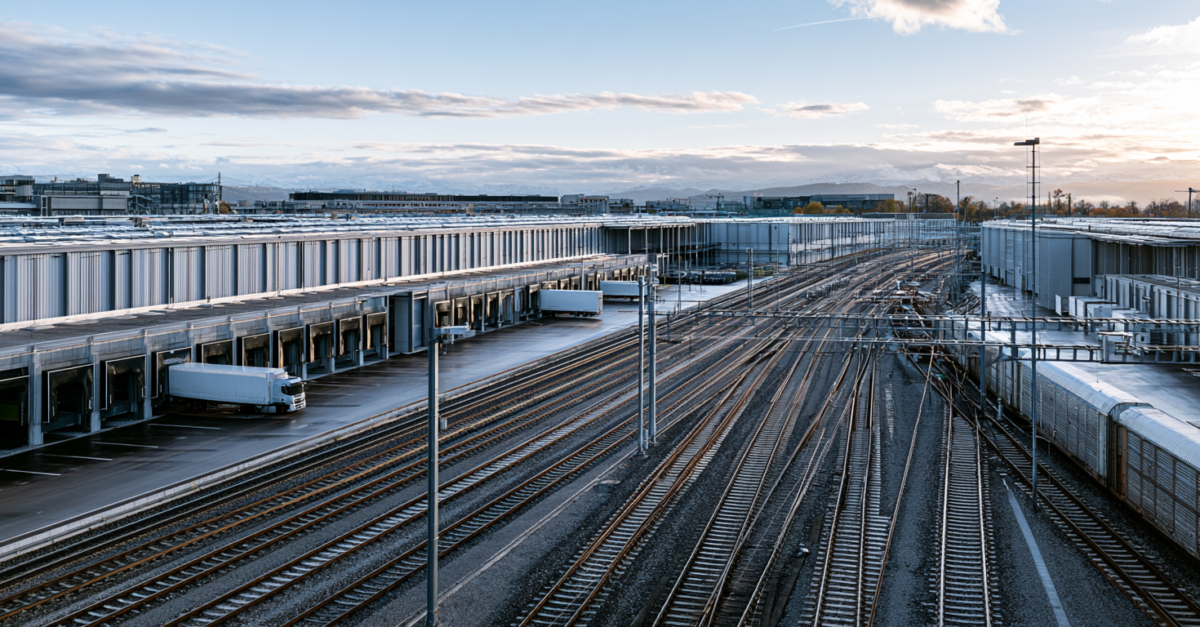

This sharp increase in approvals is occurring in a market with very limited available space. According to data analyzed by Wüest Partner, only about 1 to 1.5 percent of existing industrial and warehouse space is currently available. At the same time, the logistics sector in Switzerland now employs significantly more people than it did ten years ago, which further drives up demand for space.
Tight Supply Supports Rents
The combination of growing demand and limited new construction is keeping pressure on rents high. In major Swiss centers, market rents for industrial and logistics properties sometimes exceed 300 euros per square meter per year. This makes Zurich and Geneva among the most expensive European locations. While this is attractive for owners and developers, it increases pressure on tenants to secure space early and plan projects more precisely.
The main drivers are e-commerce, the need for urban last-mile distribution networks, and high demand for space from export-oriented industries. The demand extends beyond traditional warehouses to include large-scale, automated distribution centers with high-bay racking systems, as well as modern industrial buildings in well-connected locations.
Projects are concentrated along the main axes
Geographically, demand is concentrated along the major economic and transportation corridors. Demand is particularly strong in the Zurich, Geneva, Basel, and Bern regions, as well as along the Zurich–Olten corridor. In these areas, central locations, road and rail connections, and a tight labor market converge with an already scarce supply of industrial land.
Among the larger projects is a new Rolex production facility in Bulle. According to the location details, the project is expected to create more than 2,000 jobs in the long term, with operations scheduled to begin in phases starting in 2029. Such projects also demonstrate that industrial land in Switzerland is being absorbed not only by the logistics sector but also by manufacturing industries with high location requirements.
Facility shortage shifts focus
For institutional investors, this segment is thus becoming more attractive even compared to office space. During the same period, building permits for office space totaled only 1.9 billion Swiss francs. The market is thus rewarding uses where demand, space scarcity, and rent levels currently interact more clearly than in many office locations.
Older or highly specialized properties in outlying locations, however, remain more vulnerable. The excess demand applies primarily to modern, flexible-use spaces in well-connected locations, while location and building quality have an even greater impact on pricing for industrial and logistics real estate than the average for the commercial real estate market.