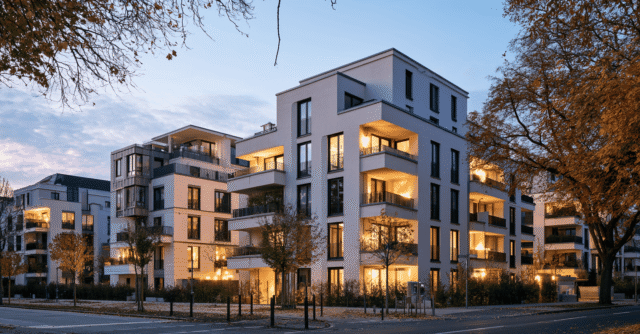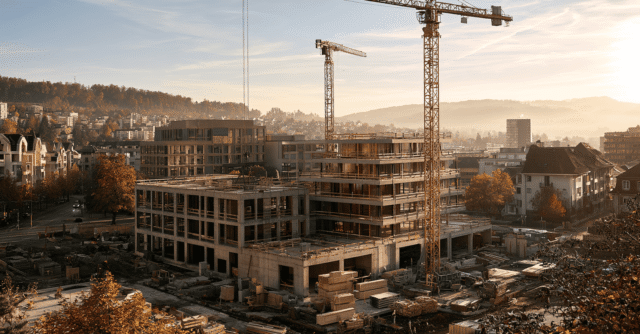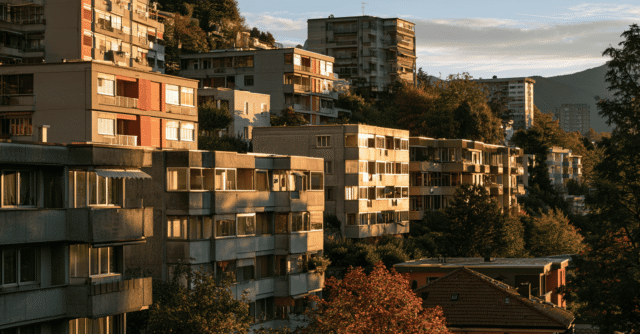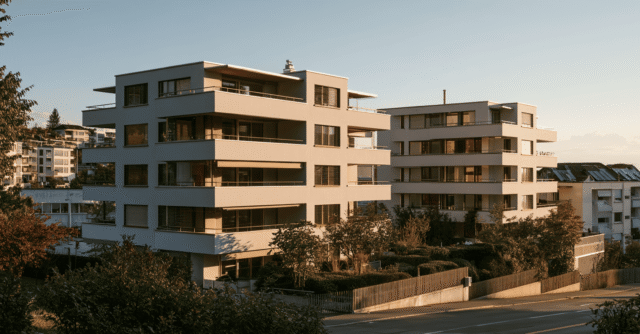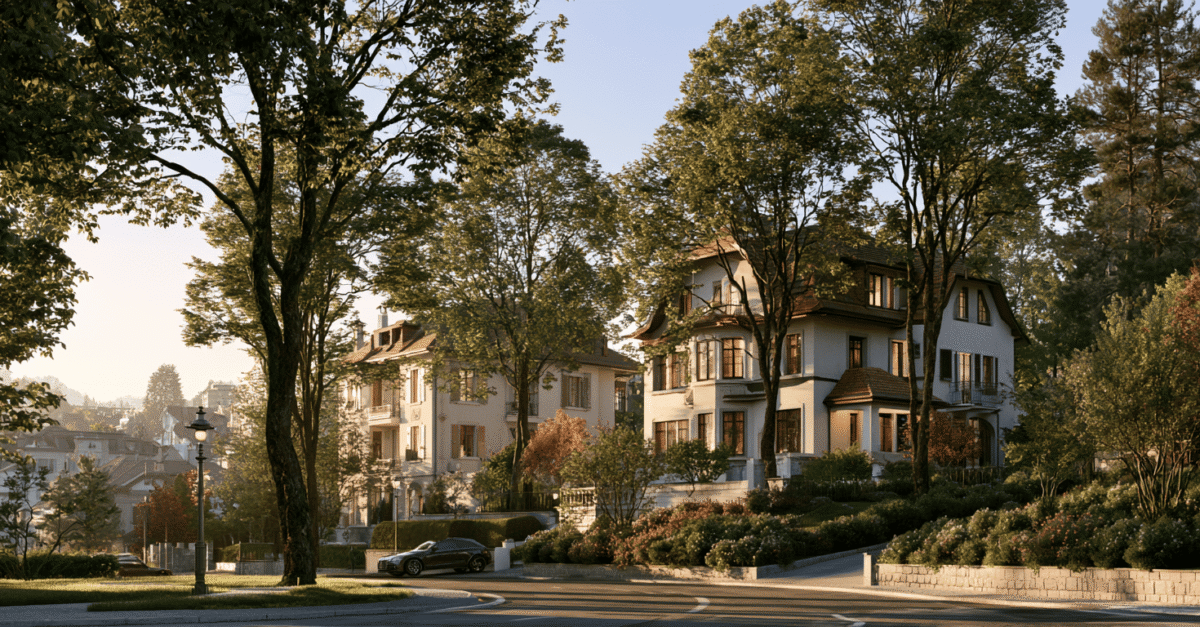

In the Les Fleurettes neighbourhood, Lausanne has refused planning permission for the demolition of two villas and the planned construction of a new building comprising 19 flats. According to the city, the decisive factors were the exceptional cultural value of the complex and the risk of unduly compromising the neighbourhood’s identity.
The city has thus halted a project that had envisaged 19 new flats on this site, including eight social housing units. The conflict was triggered by a neighbourhood campaign that gathered around 2,000 signatures. It also received support from heritage conservation groups and politicians. At the same time, the case highlights a delicate conflict of objectives, as even additional flats in a tight housing market do not automatically get the green light if the protection of the local character and integration into the surroundings are given greater weight.
Preservation takes precedence over densification
For owners, developers and planners, the decision is more than just a local isolated case. The Les Fleurettes neighbourhood has long been situated within a sensitive urban planning context. As early as 2004, the Canton of Vaud had initiated proceedings to safeguard a historically and architecturally significant ensemble in the eastern part of the Mont-d’Or and Fleurettes area. At the time, around twenty buildings on Chemin des Fleurettes and on Mont-d’Or and Milan avenues were identified.
The city’s justification ties in precisely with this rationale for protection. The focus is not only on the two individual houses from the 1920s, but on their contribution to the cohesive character of the neighbourhood. According to the city’s information page on heritage, Lausanne bases its decisions in such cases on the municipal and cantonal inventories, as well as on the objectives of the federal ISOS inventory.
A signal for similar projects
For housing development, this sends a strong signal. Replacement developments in high-quality existing neighbourhoods must demonstrate their urban planning and cultural compatibility even more precisely, even if they promise additional housing and social housing quotas. Particularly in neighbourhoods with documented ensemble quality, this increases the risk that densification projects will fail due to conservation concerns or will have to be fundamentally revised.
It remains to be seen whether the project will return in a modified form or whether the decision will be deferred. What is already clear is that, in the case of Les Fleurettes, Lausanne has prioritised the preservation of the neighbourhood’s character over short-term housing growth.