Society for affordable housing aims to create permanently affordable living space
The new Gesellschaft für erschwingliches Wohnen AG (GEW) has been founded in Schlieren. The aim of this non-profit organisation is to create and maintain affordable housing in Switzerland on a long-term basis using an economically viable approach.
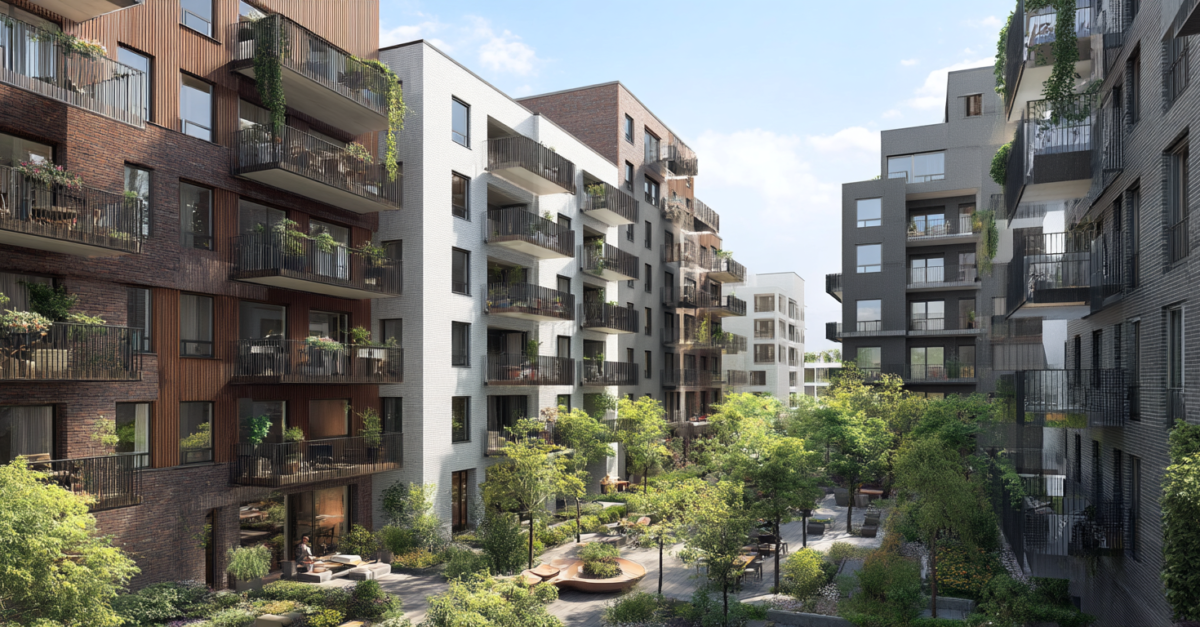

The new real estate company GEW aims to raise private capital for permanently affordable housing for people with low to medium incomes in Switzerland. GEW was founded in December 2025 against the backdrop of an increasing shortage of affordable housing in Switzerland, according to a press release. It will develop, build, acquire and operate residential properties with rents in the affordable segment of the local market, which are to be below the 50th percentile in the respective municipality.
GEW aims to contribute to social stability in Switzerland through its work. Rising rents, a lack of building land reserves, restrictive regulations and high land and construction costs have meant that housing production can no longer keep pace with demand. “When housing becomes a concern, new answers are needed,” said Reto Brüesch, Managing Director of GEW, in the press release. “We are convinced that the private sector can and must take on part of the responsibility with entrepreneurial thinking and a clear focus on the common good.”
The GEW model is based on three pillars: efficient development and construction, cost-effective operation and low capital costs due to low risk. This creates an economically viable approach that combines affordable rents with entrepreneurially responsible investments. “Investing in GEW creates affordable housing in Switzerland while also generating a fair return and a positive social impact,” explains Daniel Kusio, Chairman of the Board of Directors of GEW. He is supported on the Board of Directors by real estate economist Donato Scognamiglio and Balz Halter, Chairman of the Board of Directors of the Halter Group.
While municipalities can use GEW to create affordable housing without excessive financial burden, owners benefit from transparent models such as sale, building rights or contributions in kind. Investors, in turn, gain access to a long-term investment with a stable income structure.