Geneva’s environmental labels are losing their impact on building sites
In Geneva, new neighbourhoods and buildings are increasingly being awarded green certifications. Yet it is precisely at the stage where materials are used and emissions are generated that oversight remains lax. This is increasing the pressure on developers, planners and authorities to finally carry out robust checks on environmental claims right through to final building approval.
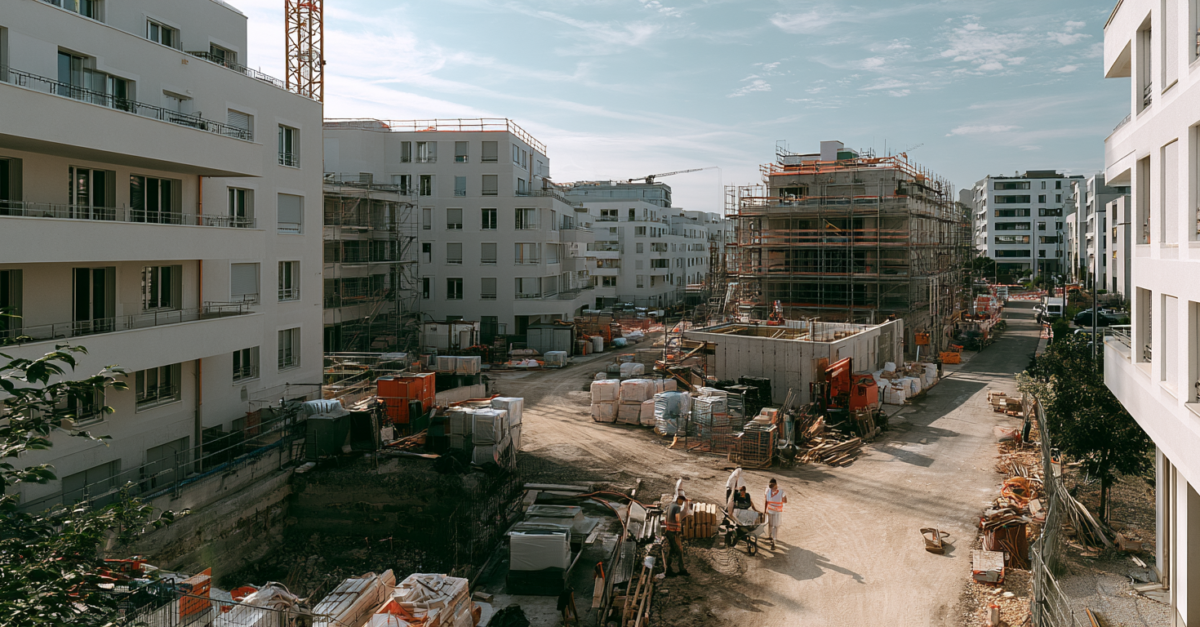

The problem lies in the regulatory framework. In Geneva, environmental labels and material programmes in the building sector are often based on dossiers, declarations and evidence provided by those involved in the project. Systematic on-site inspections of the products actually installed are significantly less common. This creates a gap, of all places, between planning commitments and actual construction.
This becomes particularly problematic with substances that can adversely affect indoor air quality. Volatile organic compounds and formaldehyde have long been a concern in the canton of Geneva. This is demonstrated by the cantonal THQMAT programme, which guides building owners on material-related specifications and offers the Low-VOC certificate – an accreditation that requires indoor air quality measurements to be carried out at the end of construction.
Measurements rather than mere paperwork
The canton’s Low-VOC certificate is only awarded following indoor air quality measurements at the end of construction work. According to the canton, the total quantity of volatile organic compounds and formaldehyde in particular is tested. It is precisely this model that highlights what many general sustainability labels lack. Without measurements or rigorous on-site monitoring, it remains unclear whether the declared materials were actually used and whether the promised air quality is achieved in the finished building.
Standards are in place, but enforcement remains the weak link
In Swiss construction practice, the SIA Standard 382/5 provides guidelines for the planning, execution and operation of ventilation in residential buildings. The federal government also refers to recommendations for healthy indoor air in buildings. However, this does not automatically solve the enforcement problem on the building site. If certification is based primarily on documentation and inspections are only carried out on a selective basis, investors and future owners face a reputational and liability risk should health or material issues arise after handover.
New rules increase the pressure
In Geneva, the recent regulation on the carbon footprint of building materials is creating additional pressure. In principle, the cantonal regulations require major new builds to be assessed in accordance with SIA 390/1; for public buildings, binding limit values will also apply from 2027. This further increases the importance of clear evidence of material compliance. The more closely carbon footprint assessments, health requirements and environmental labels converge, the less sufficient it is to simply include a ‘green file’ in the project documentation. What really matters is what is actually installed on site and ultimately measured within the building.