Buildings continue to drive down CO₂ emissions
Switzerland once again reduced its CO₂ emissions in 2025. Emissions from fuels fell particularly sharply, by about 5 percent. This is a clear signal for the real estate sector, as more efficient buildings and an increase in renewable heating systems were, according to the federal government, the main drivers of the decline.
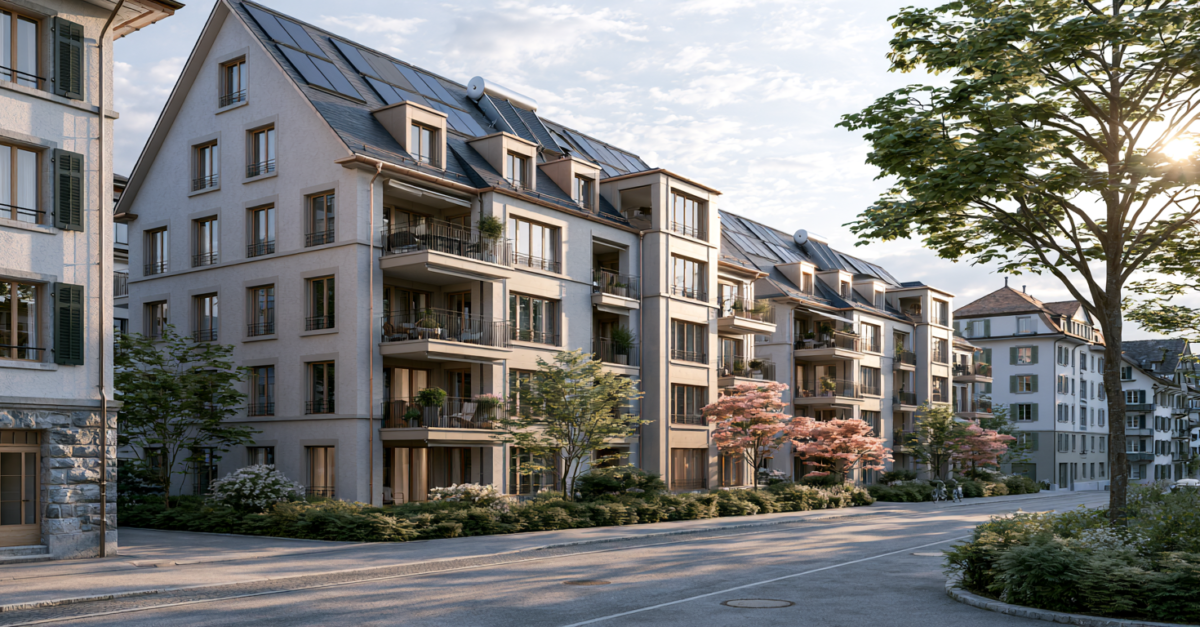

The decline in the building sector is central to this trend. The Federal Office for the Environment attributes the lower fuel emissions in 2025 primarily to improved energy efficiency in buildings and the increased use of renewable energy for heating. This demonstrates how renovations, heating system replacements, and more efficient management directly impact the national CO₂ balance.
Fuel Emissions Fall More Sharply Than Motor Fuel Emissions
According to CO₂ statistics published on July 13, 2026, emissions from fuels such as heating oil and natural gas fell by about 5 percent in 2025 compared to the previous year. For motor fuels such as gasoline and diesel, the decrease was about 1 percent. The federal government attributes this trend in the transportation sector to growing electromobility and higher demand for biofuels. In 2025, the share of biofuels in total gasoline and diesel consumption exceeded 5 percent for the first time.
In a long-term comparison, the difference between the sectors is even more pronounced. Compared to 1990, fuel emissions were 46 percent lower in 2025, while emissions from motor fuels fell by 8 percent. This is relevant for owners, developers, and property managers because the building sector thus remains one of the areas where climate policy goals can be influenced relatively directly through technology, building envelopes, and heating systems.
The building stock remains a key lever
The greenhouse gas inventory for 2024 already showed the same trend. Switzerland’s total emissions at that time amounted to 40.1 million metric tons of CO₂ equivalents, which was 27.3 percent below the 1990 level. The building sector reduced its emissions by 47 percent by 2024, industry by 33 percent, and transportation by just under 10 percent. This underscores that investments in building envelopes, heating systems, and operational optimization do not merely affect individual properties but have a measurable impact on the national carbon footprint.
Targets for 2030 and 2050 Remain Ambitious
Switzerland aims to reduce its greenhouse gas emissions by at least 50 percent by 2030 compared to 1990 levels and to achieve net-zero by 2050. Despite progress in the building sector, the pressure to act remains high because the transportation sector is decarbonizing at a significantly slower pace and the overall balance is still well above the target trajectory. For the real estate sector, this means an ongoing need for investment in renovations and the replacement of fossil-fuel heating systems.