The Limmat Valley – Between Zurich and the Future
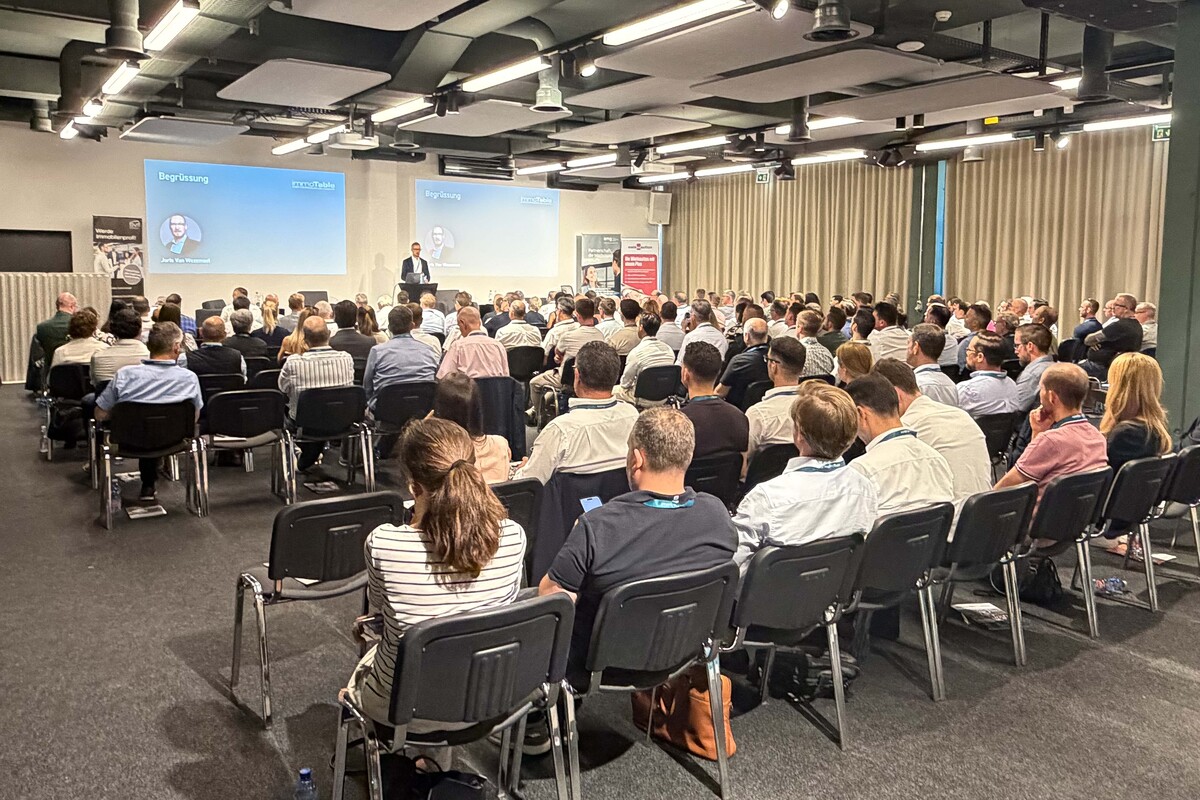
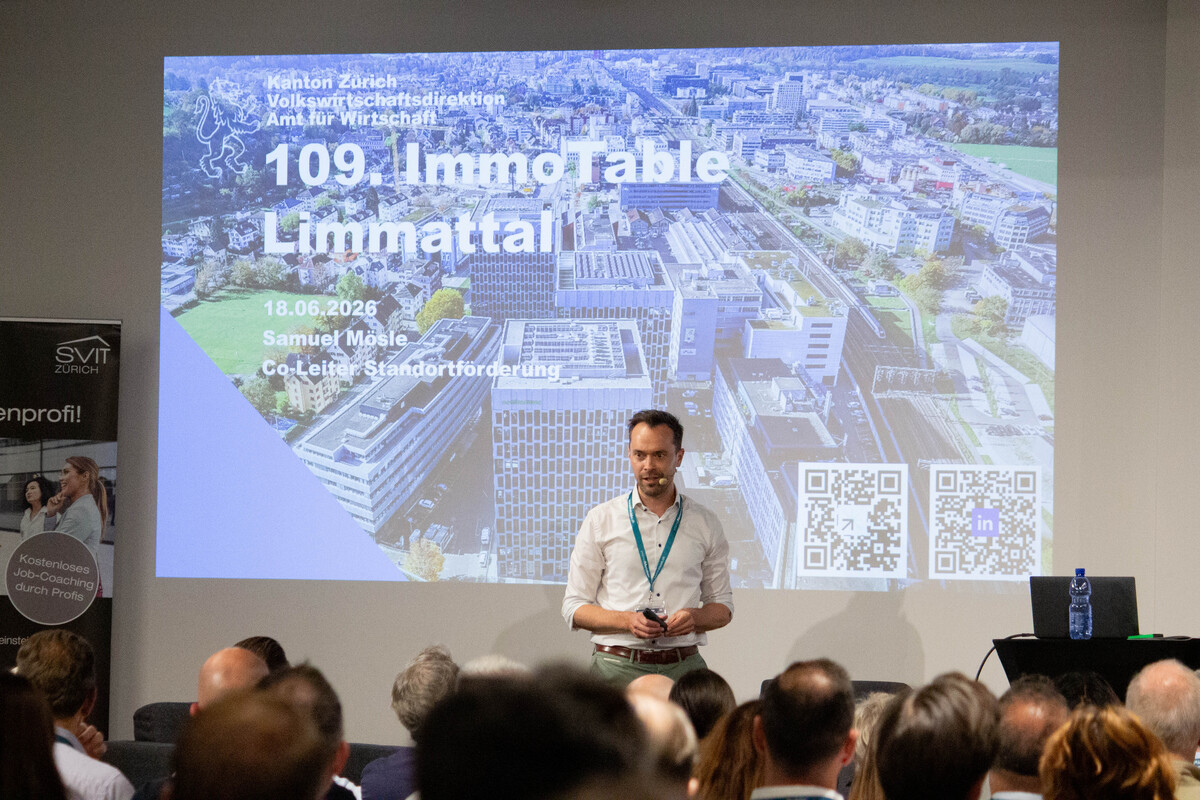
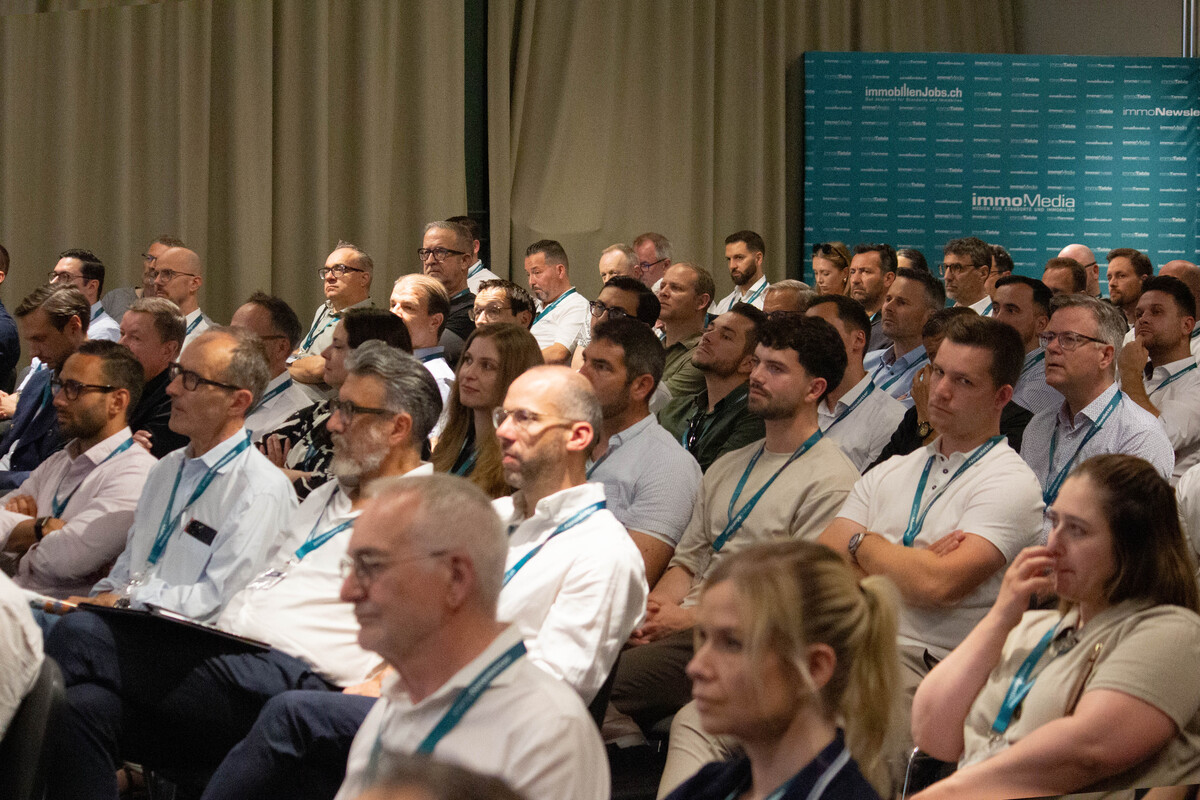
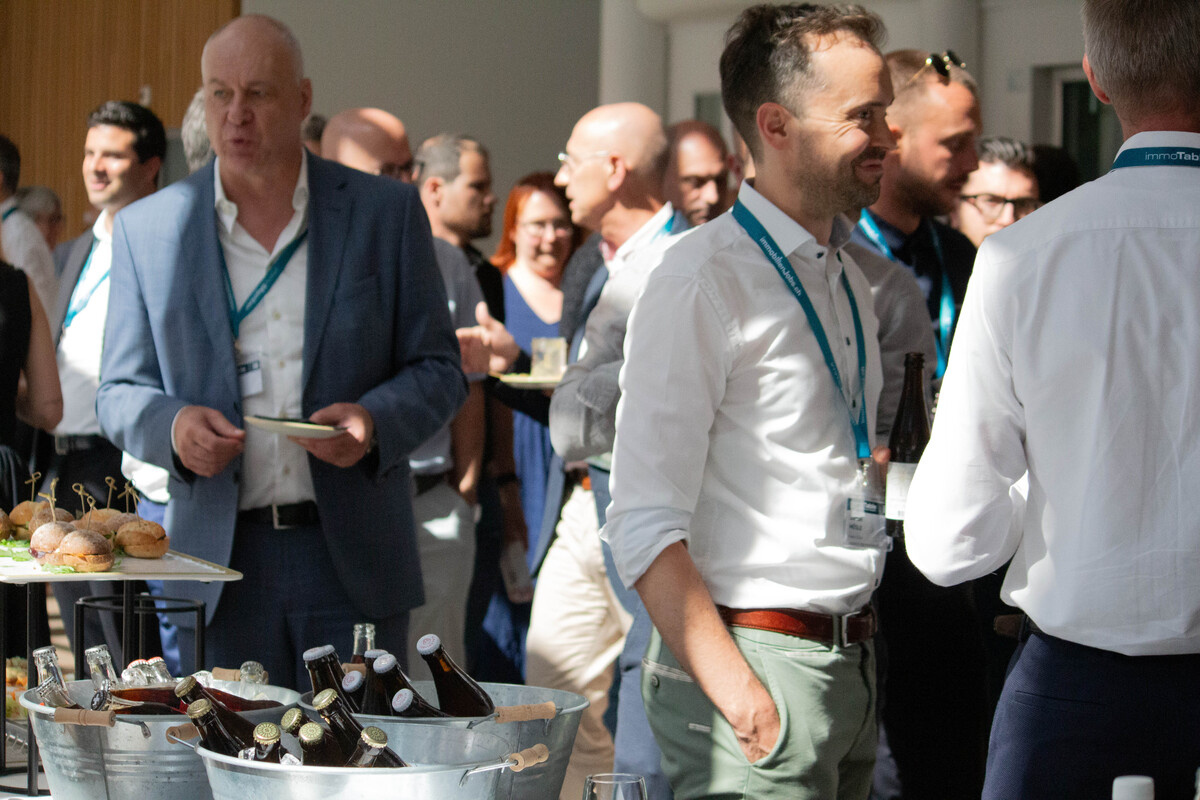
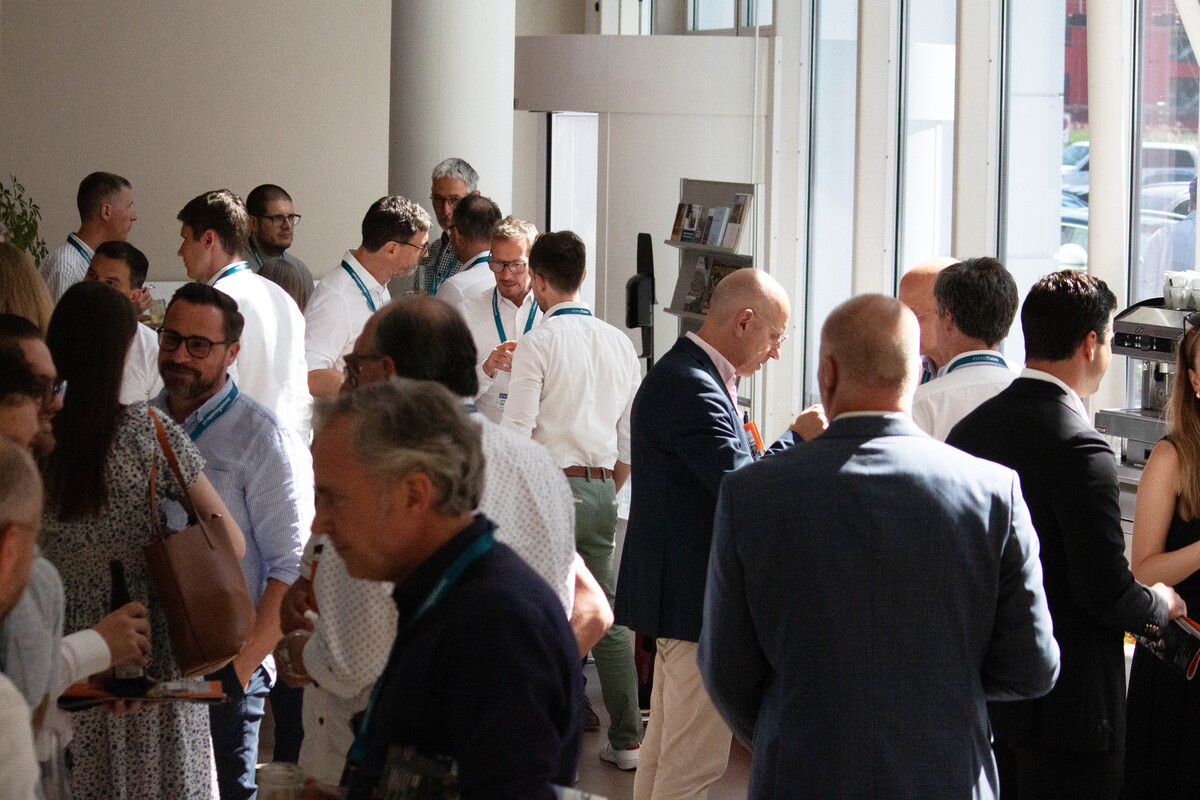
The 109th immoTable Limmattal event drew around 190 real estate and location experts to the StartUp Space in Schlieren on June 18, 2026. The central question of the afternoon was as simple as it was complex: Does the Limmattal have what it takes to become an independent economic region, or will it remain within Zurich’s sphere of influence in the long run?


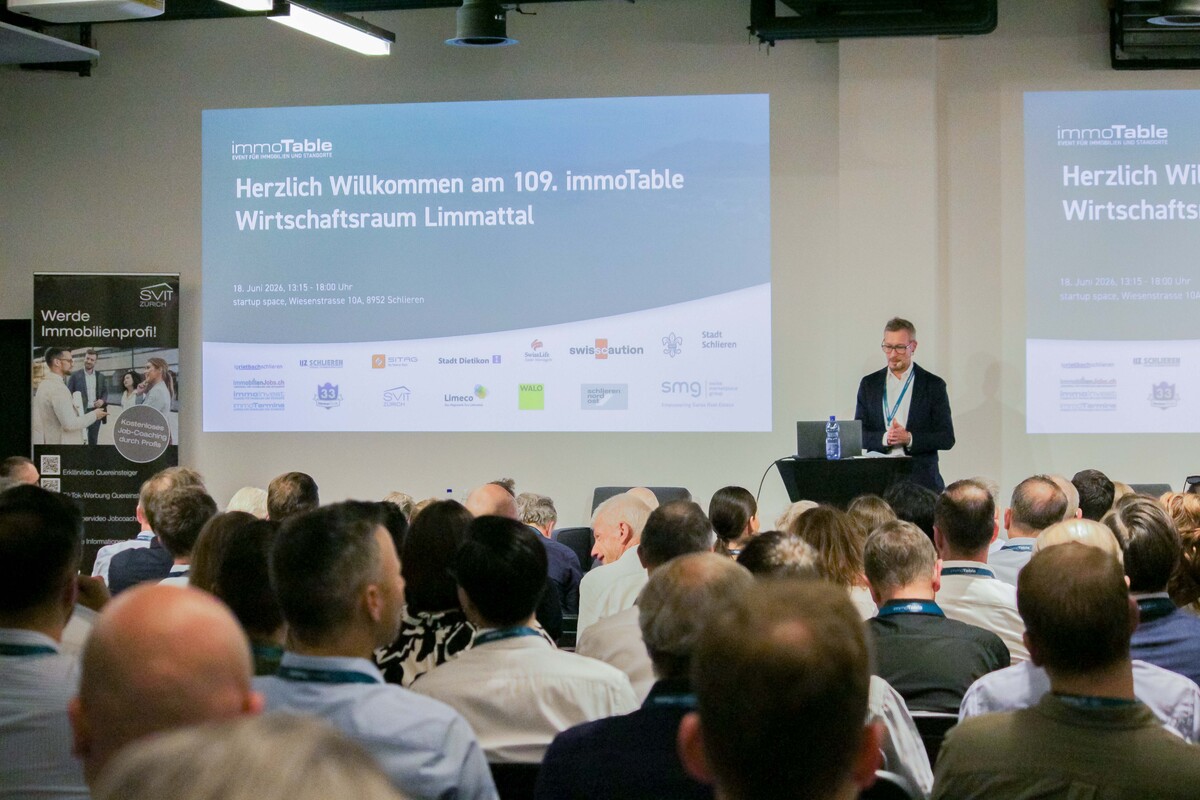
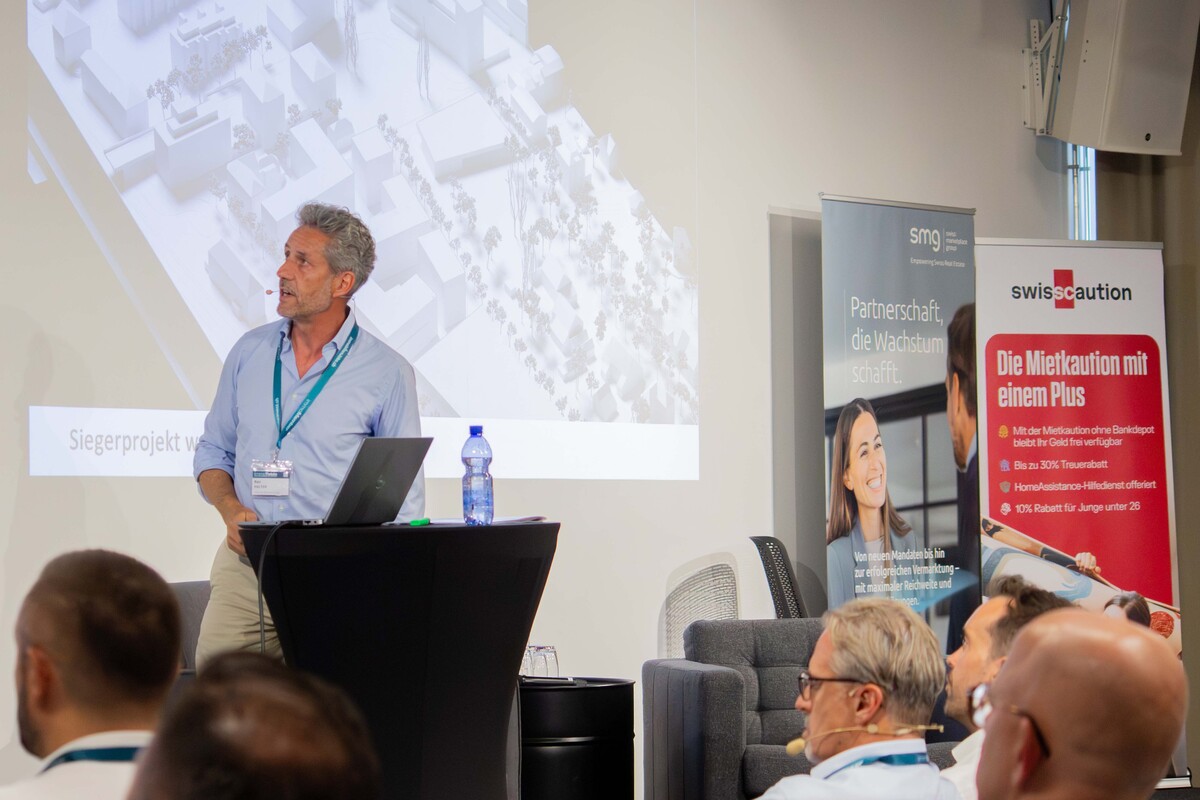
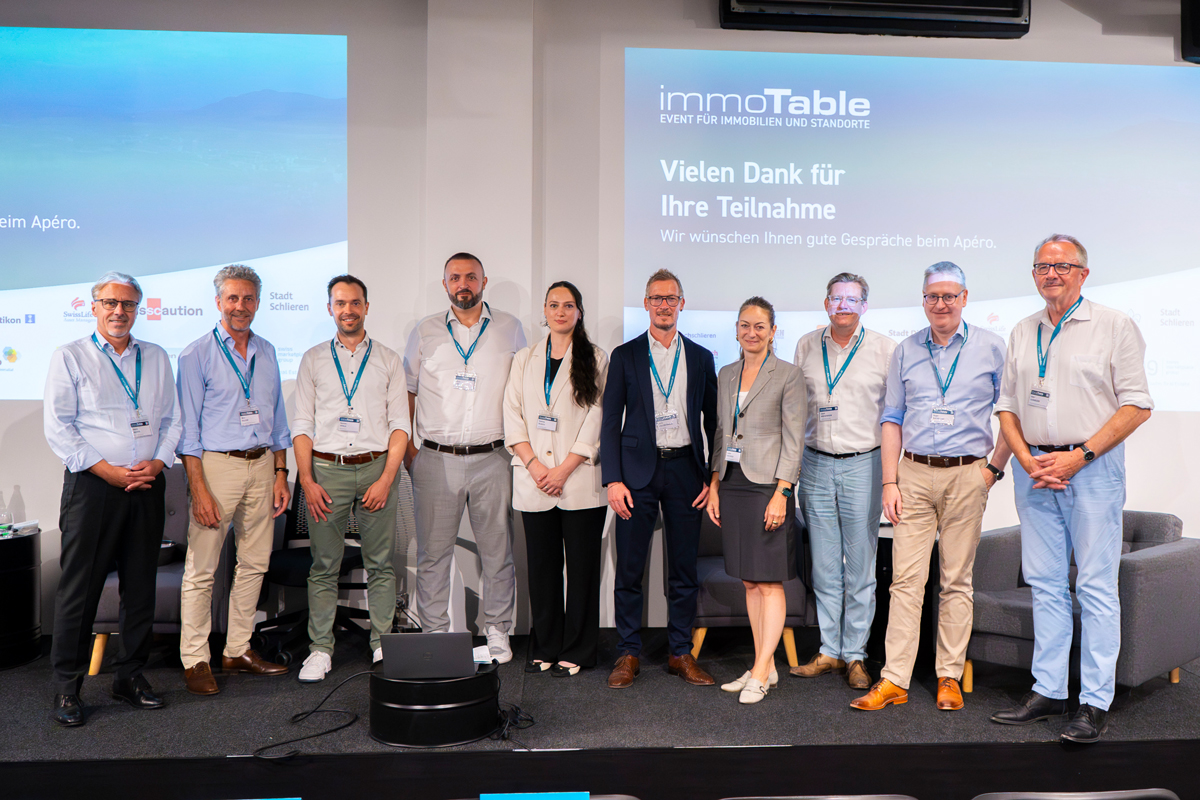

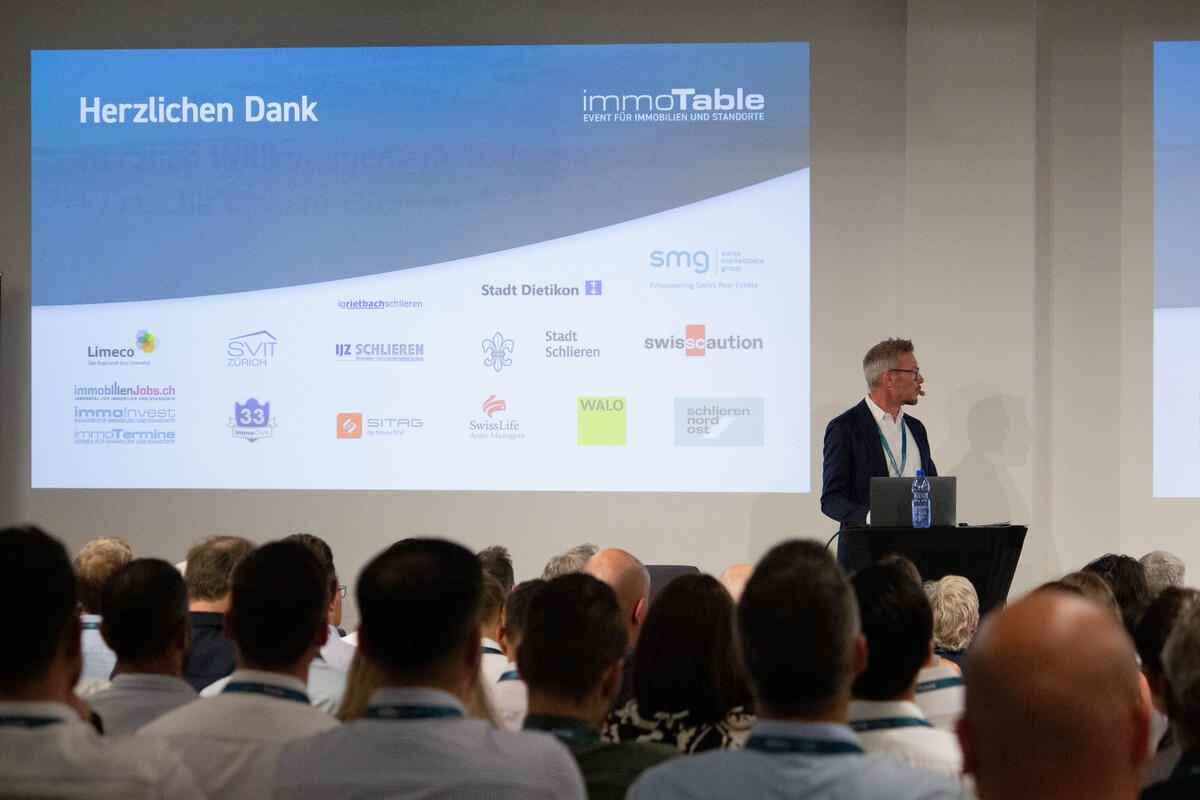
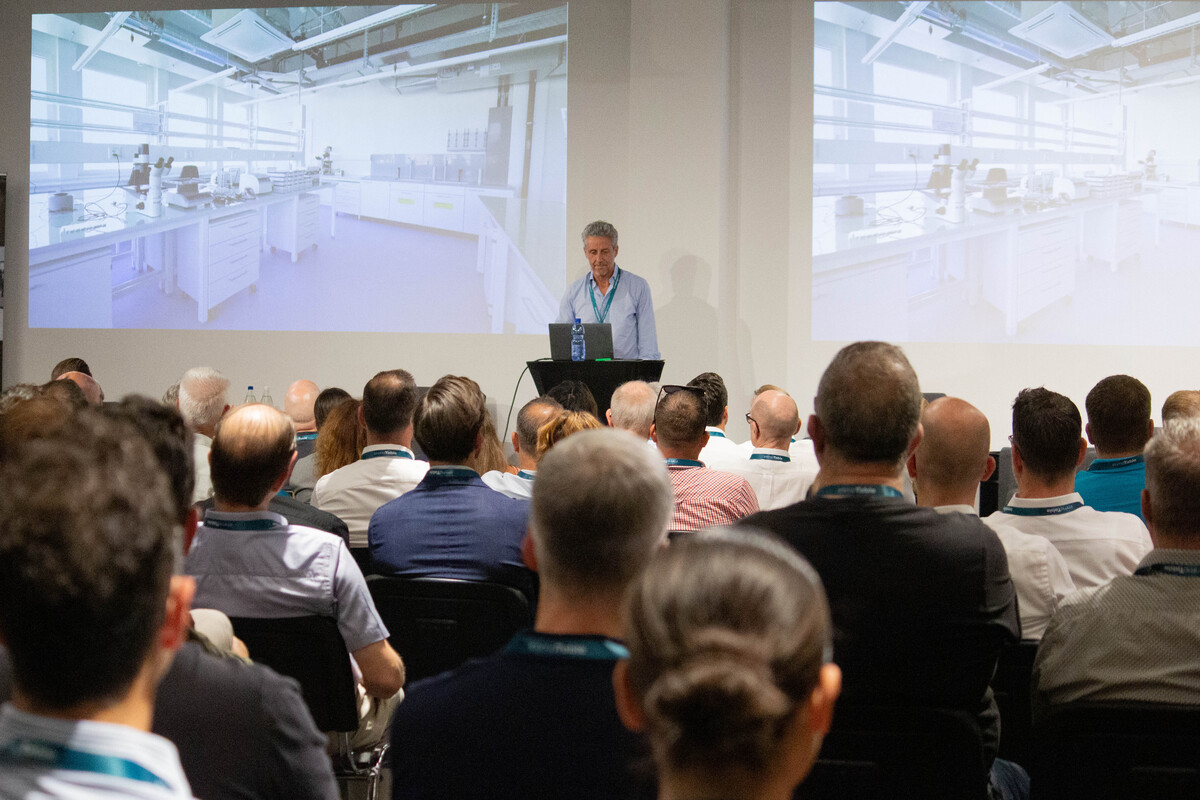
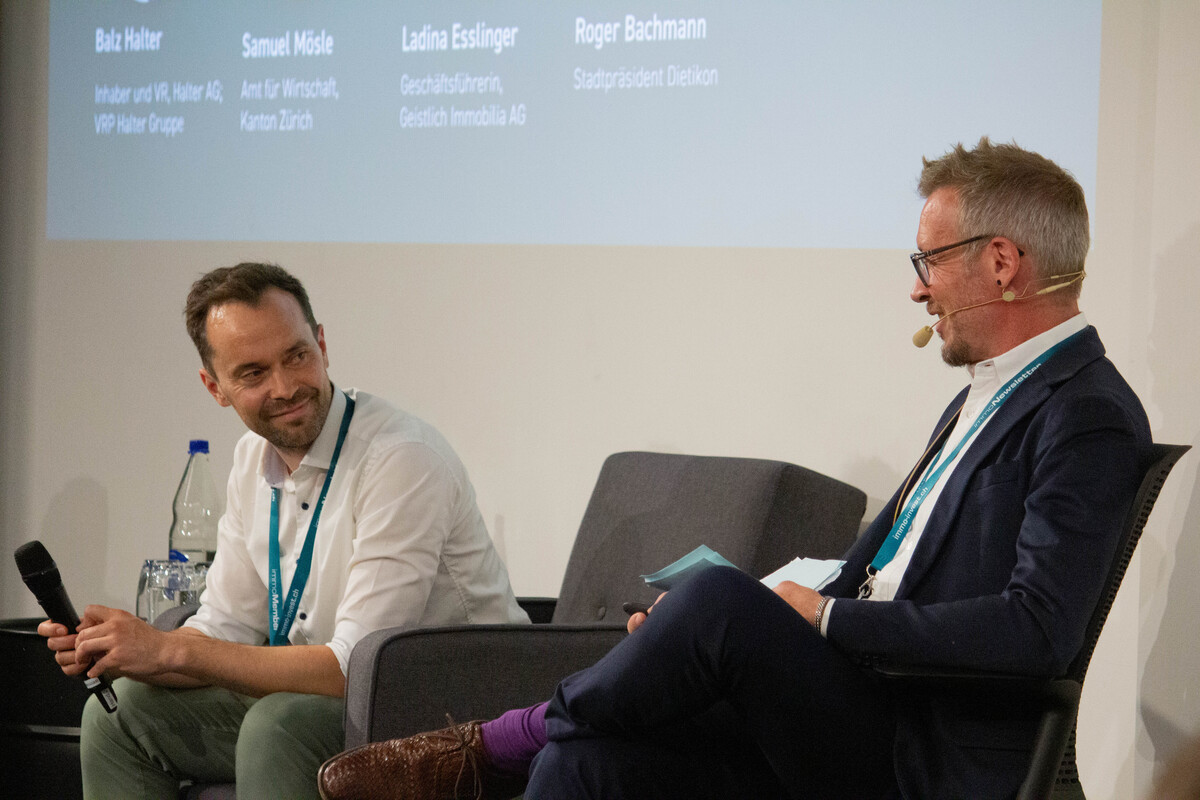
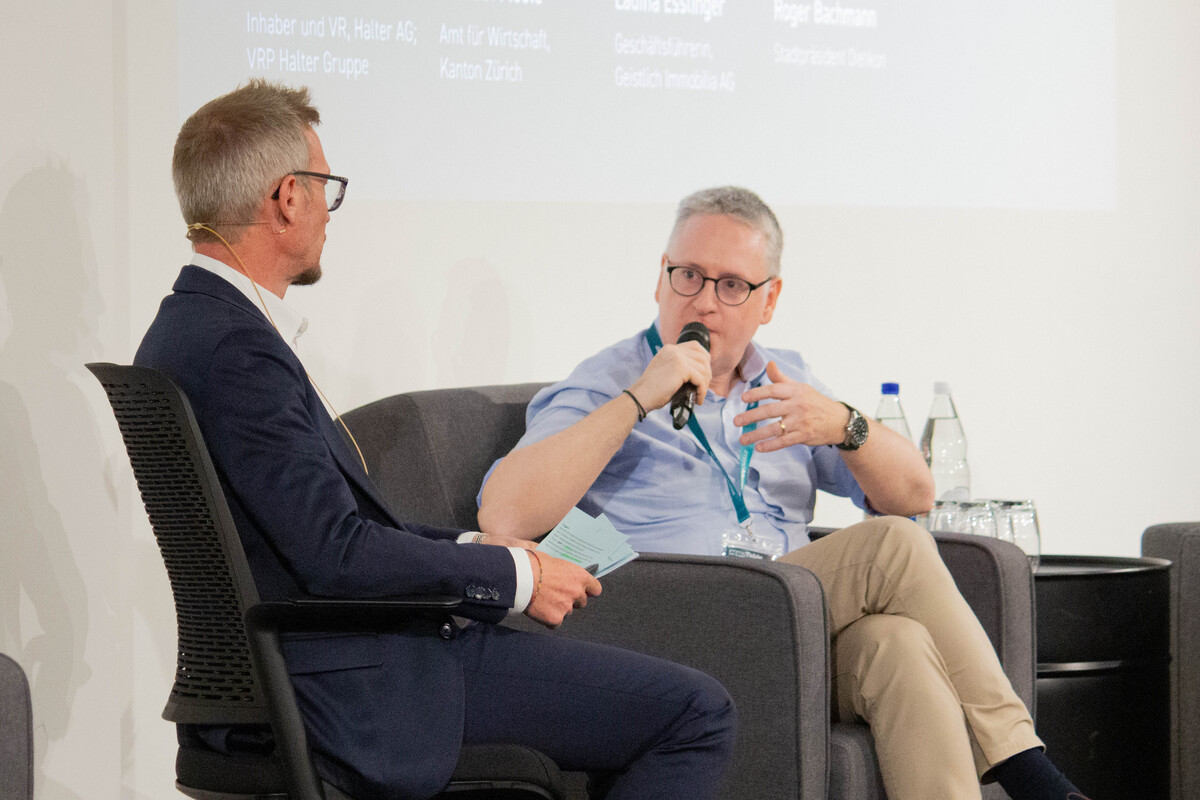






Joris Van Wezemael opened the afternoon with a concise overview. The Limmat Valley benefits from convenient transportation links, is integrated into the Zurich metropolitan area, boasts distinctive landscape features along the Limmat River with forests on both sides of the valley, and features a number of exciting development areas with various clusters. His central thesis: “What is the Limmat Valley doing? It’s doing nothing! Once we know what our goal is, we can develop strategies.” As long as it remains unclear what the Limmat Valley wants to be, there is no foundation for strategies.
Canton of Zurich Focuses on Framework Conditions and Cleantech
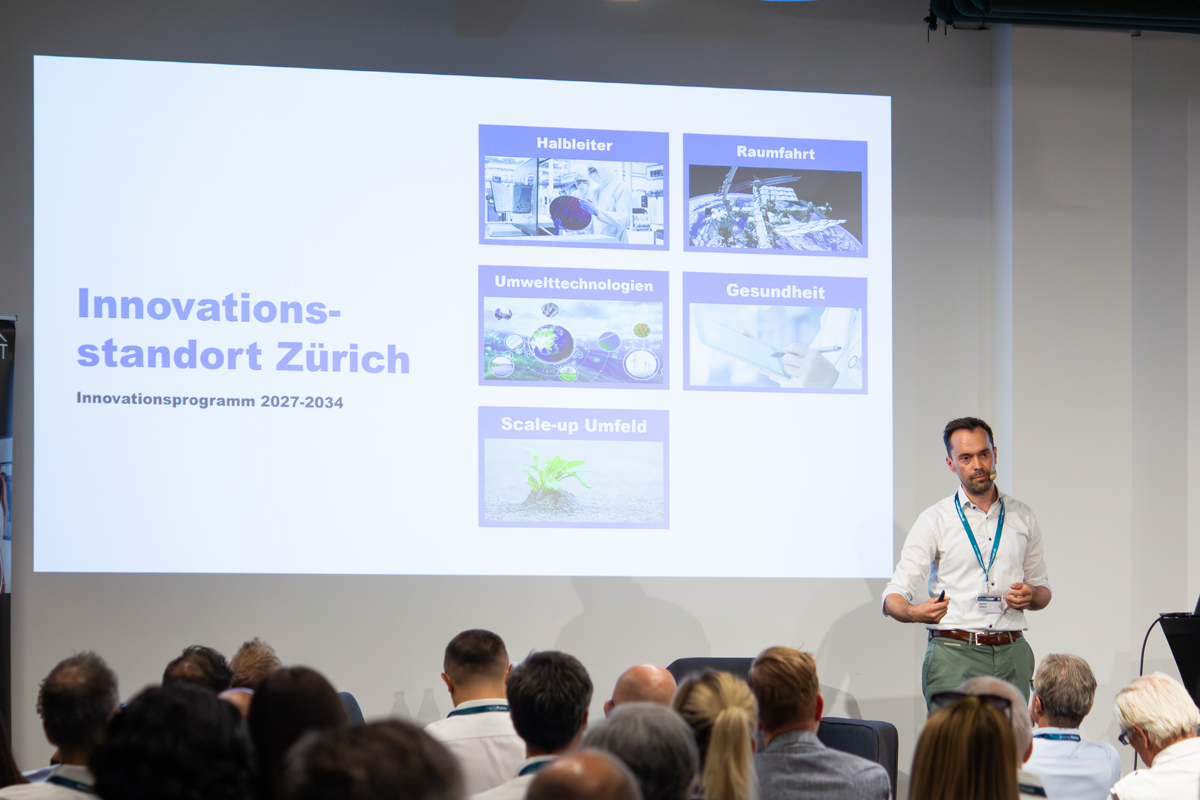
Samuel Mösle from the Office of Economic Affairs of the Canton of Zurich painted a nuanced picture of the economic environment. Geopolitical uncertainties, high prices, and fluctuating interest rates are weighing on businesses. At the national level, however, recent referendums have brought greater stability. The canton sees itself as a shaper of framework conditions for prosperity, growth, and quality of life. Key sectors include life sciences, cleantech, aerospace, semiconductors, environmental technology, and healthcare. With a strong focus on the startup ecosystem, so that research and businesses can thrive together. Administrative relief provided by a cantonal business portal and concrete projects—such as the further development of commercial sites in Otelfingen in collaboration with Hitachi—demonstrate the canton’s hands-on approach.
Niderfeld: The Generational Project
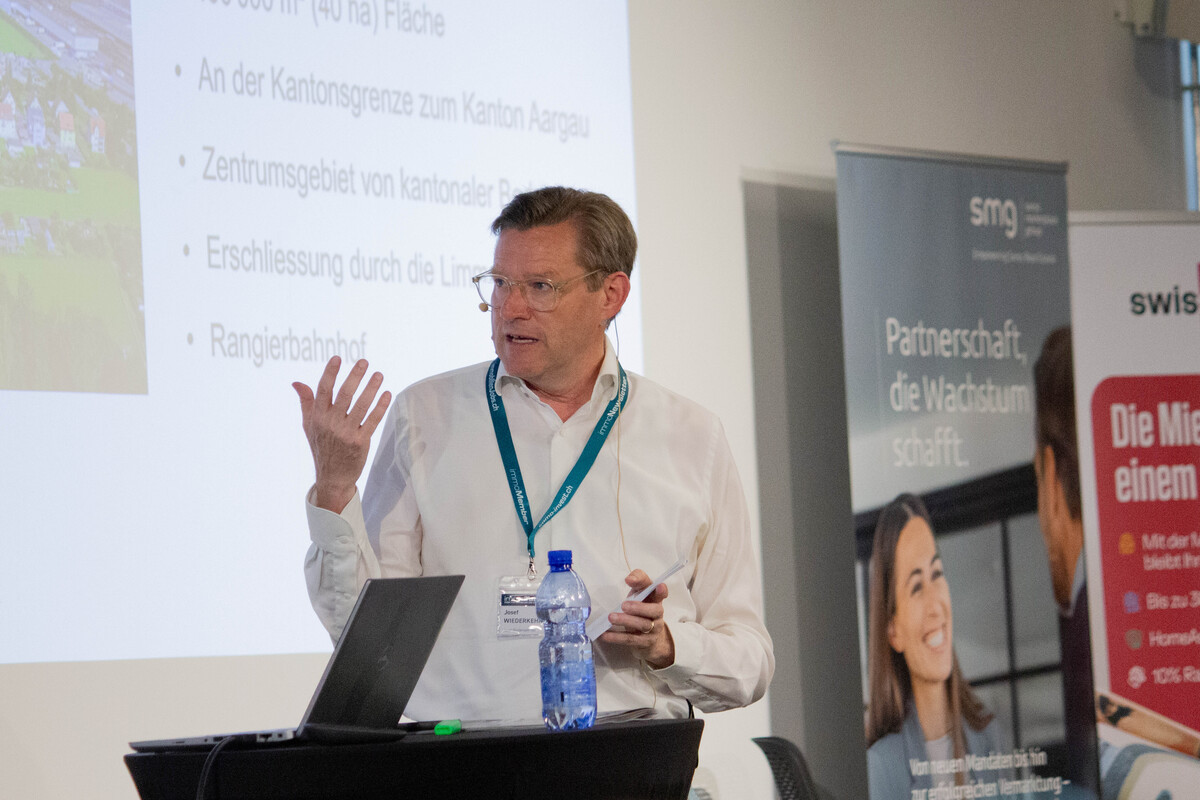
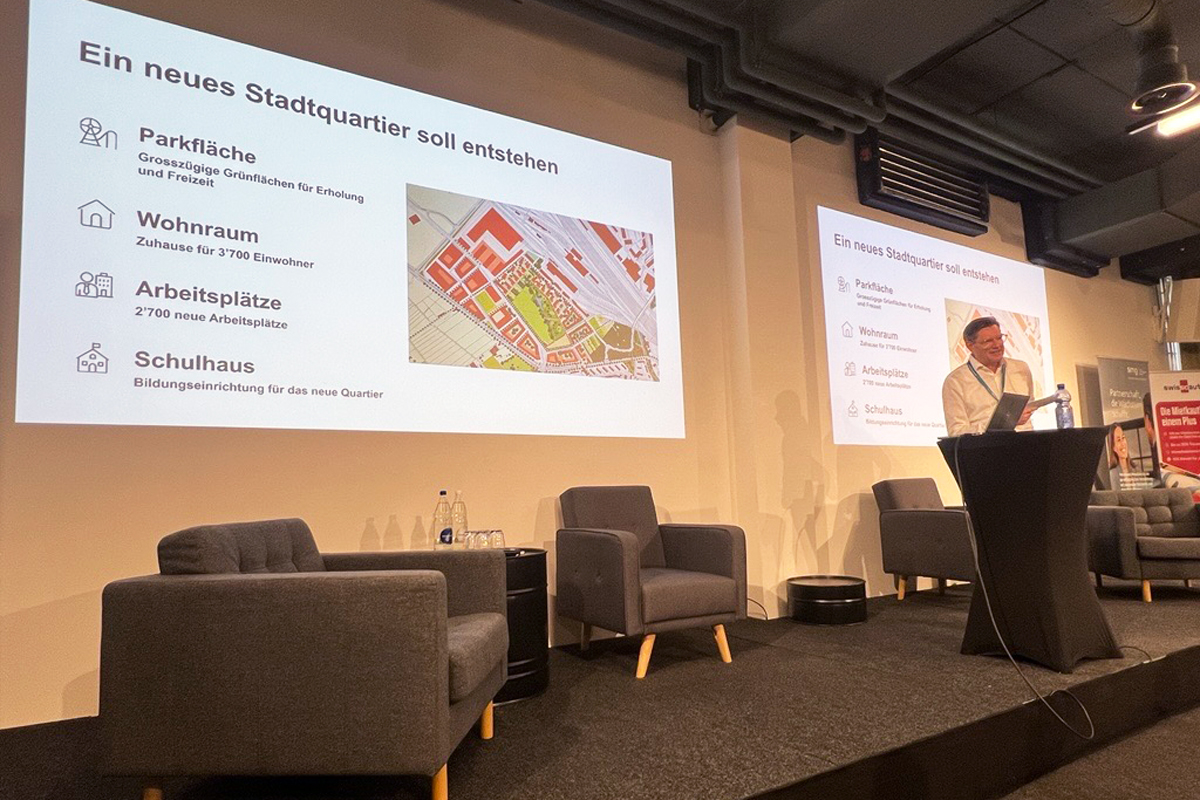
Josef Wiederkehr, Chairman of the Board of Directors of Josef Wiederkehr AG and President of the Niderfeld Landowners’ Association, provided insight into one of the region’s most significant development areas. On approximately 400,000 m², housing for 4,000 people, 3,500 jobs, and public facilities are to be created. This is not a greenfield project, but rather a long-standing process that began in 2012 with the founding of the landowners’ association under Balz Halter. Today, there are approximately 30 landowners who, together with the city of Dietikon and the canton, have developed a master plan and a neighborhood plan. A three-part package has been approved by the city council and is now before the Dietikon municipal council. A decision is expected by the end of 2026, though a referendum remains a possibility. Transportation links across the cantonal border—including via the Limmattalbahn—are just as crucial as the question of the appropriate density of use. Wiederkehr’s wish for this generational project: “A vibrant neighborhood where people live and work, even 50 years from now.”
Urban Development Between Vision and Realpolitik
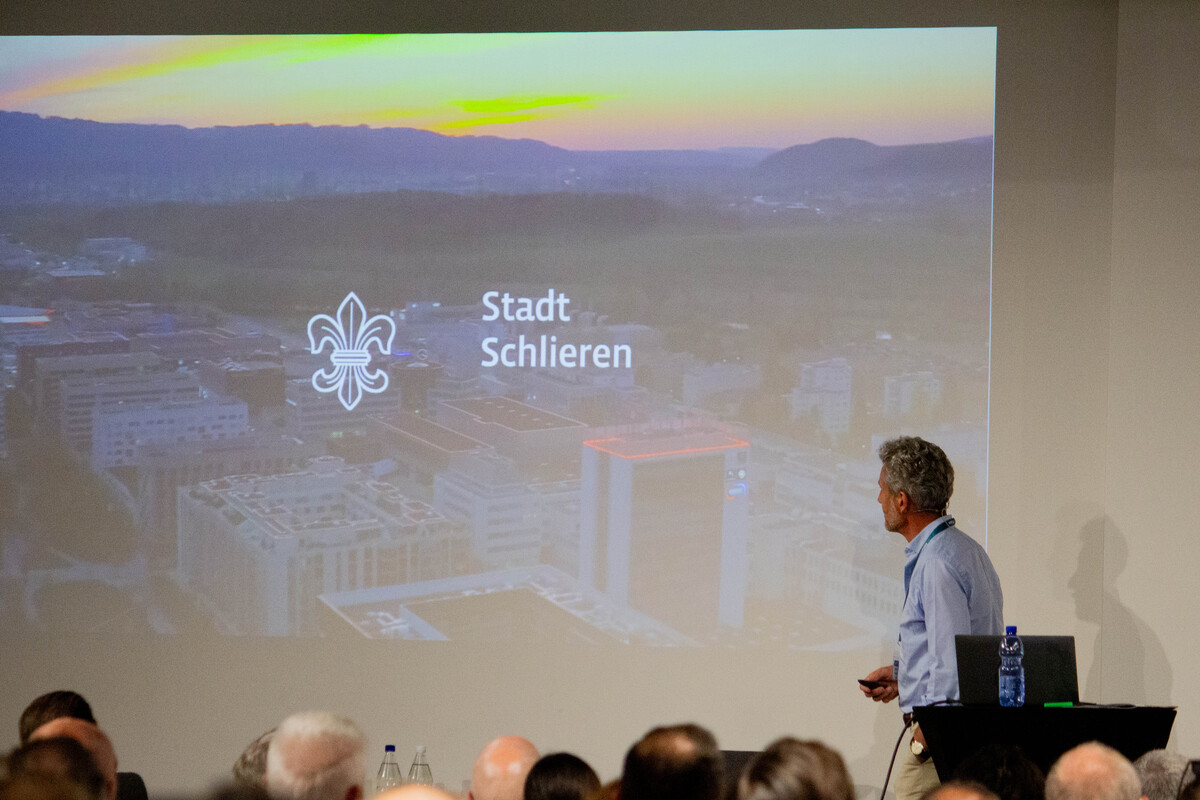
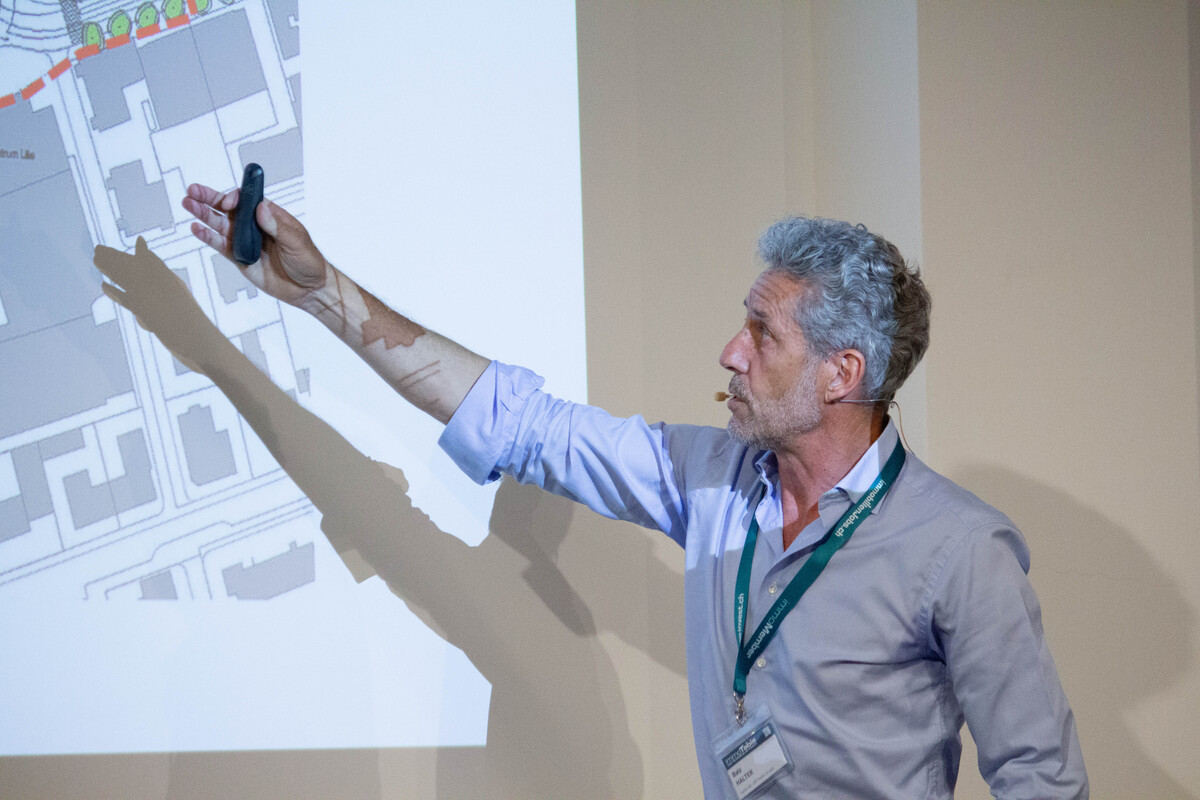
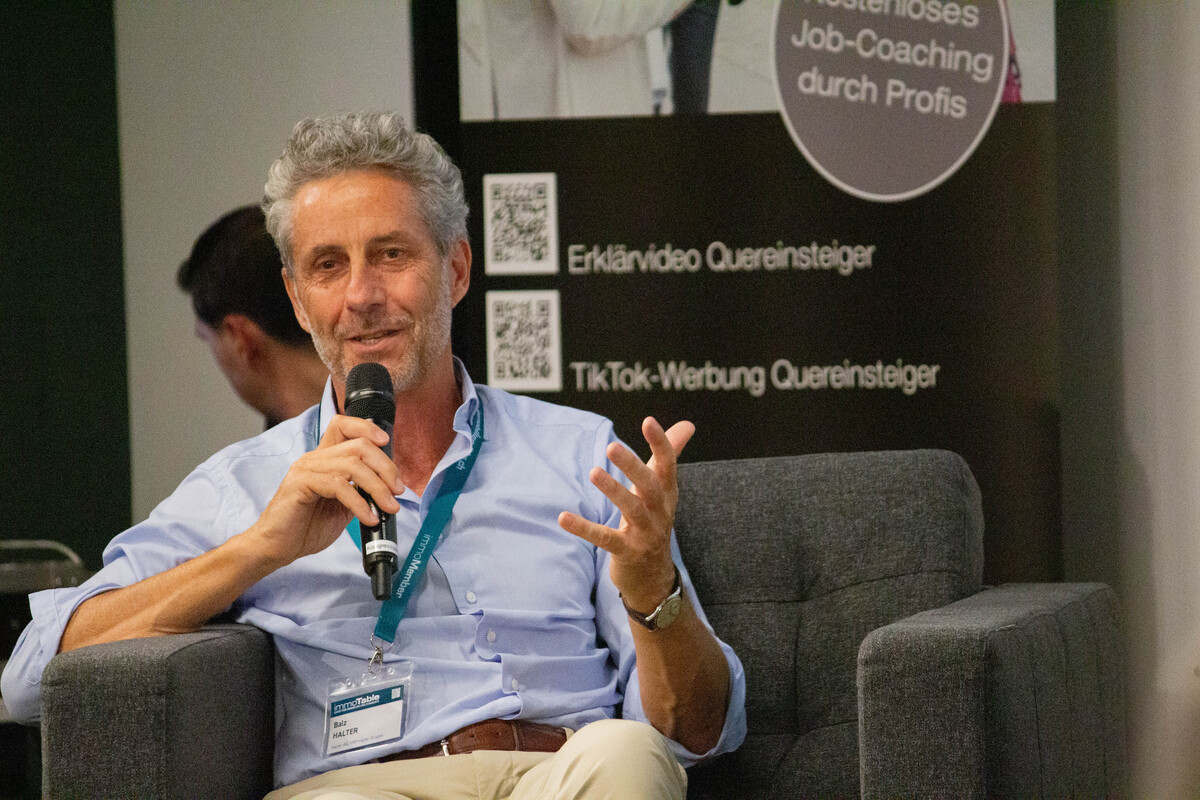
Balz Halter, owner of the Halter Group, looked back on the development of the Limmat Valley with critical candor. For a long time, Schlieren was deindustrialized and unattractive from an urban planning perspective—as was Dietikon. It took pioneers like Peter Voser and Albert Schweizer, who led the way 20 years ago. Today, the region can be proud of the transformation of its industrial brownfields. The Färbeareal in Schlieren, developed with the TX Group, was a key moment in 2004 that demonstrated the need for comprehensive regional planning. The current revision of Schlieren’s zoning plan, a 30 percent population increase to over 20,000 residents, and the need for densification in the right places—including vertical development—are shaping the agenda today.
Swiss Life Focuses on Life Sciences and Synergy
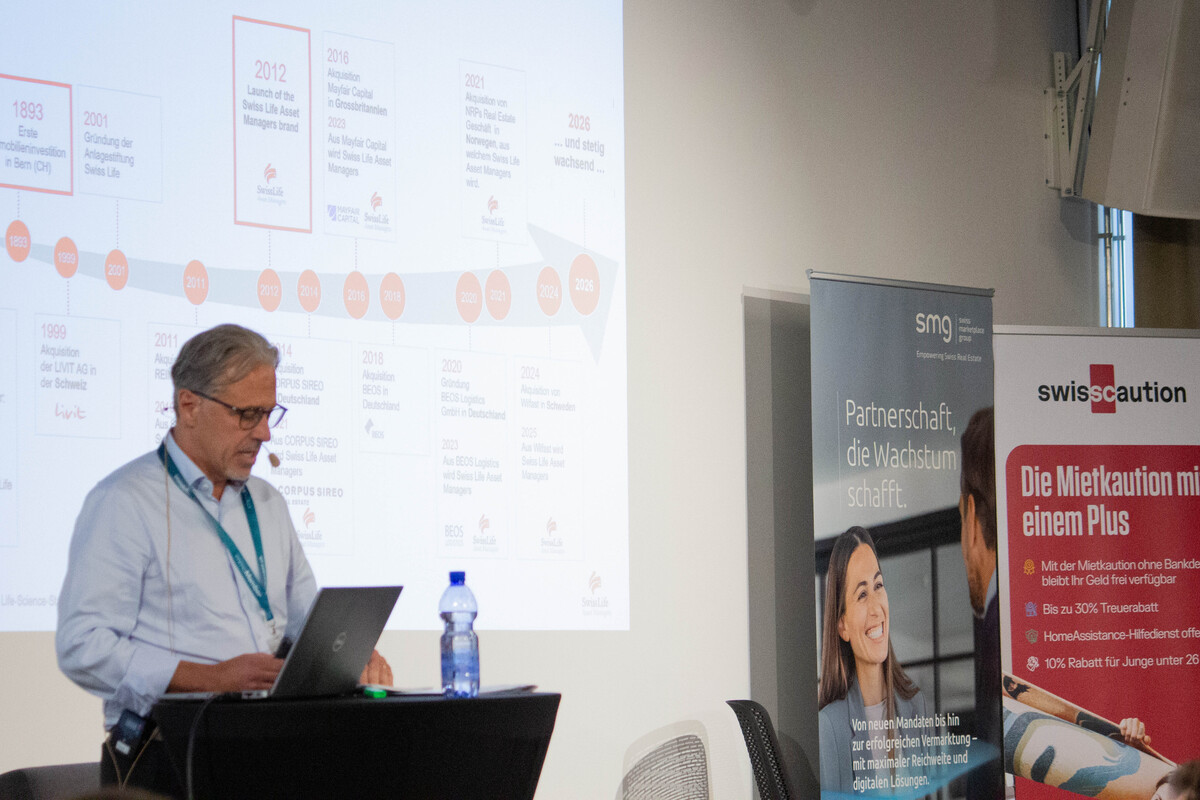
Marcel Balmer, Head of Real Estate Finance Switzerland at Swiss Life Asset Managers, presented the Wagi site in Schlieren, a strategic anchor in the Limmat Valley. Swiss Life has made a conscious decision to invest in and remain at this location. Schlieren has evolved from an industrial hub into one of Switzerland’s most important life sciences hubs. For investors, planning certainty, scalability, and effective partnerships with the public sector are key. Balmer emphasized that this requires courage, passion, and heart. Location quality means speed, security, and collaboration. The Wagi site offers further potential for synergy, for example through renaturation and the creation of a recreational area. Transportation policy must be considered within a broader context.
Limmattal 2035 Panel: Less “Backyard Thinking”
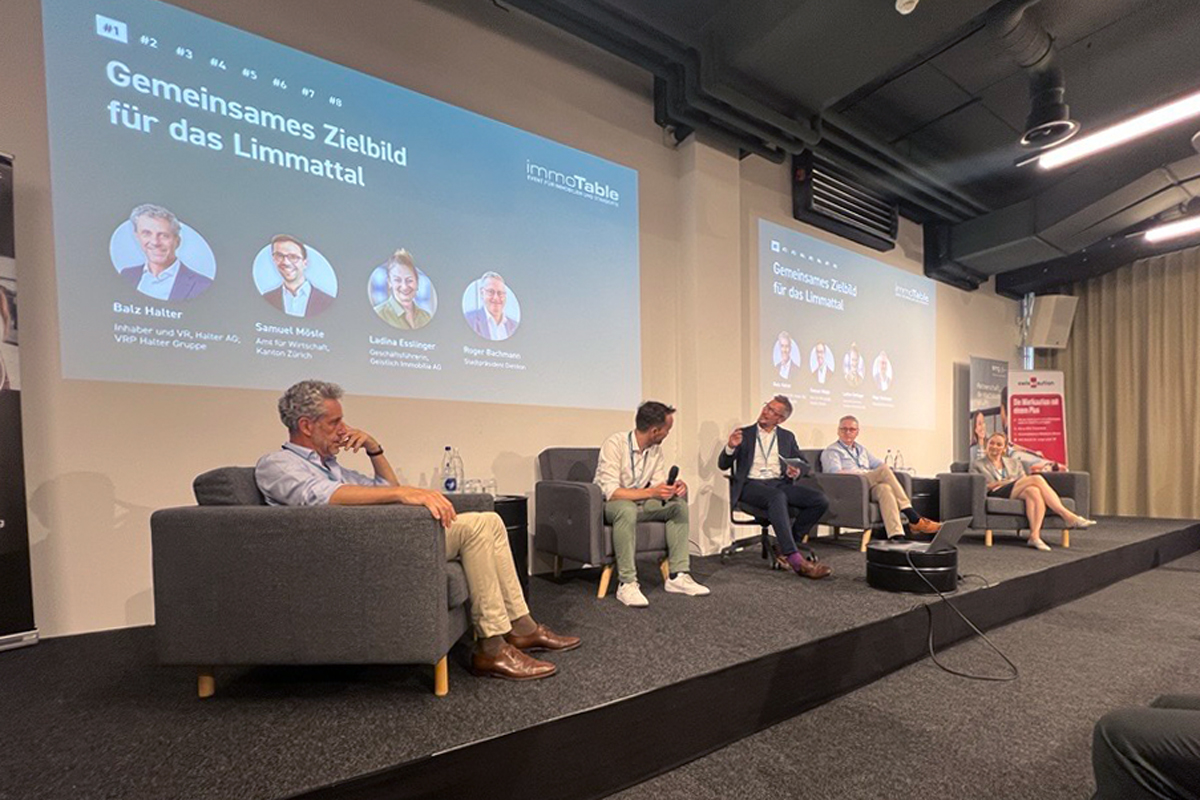
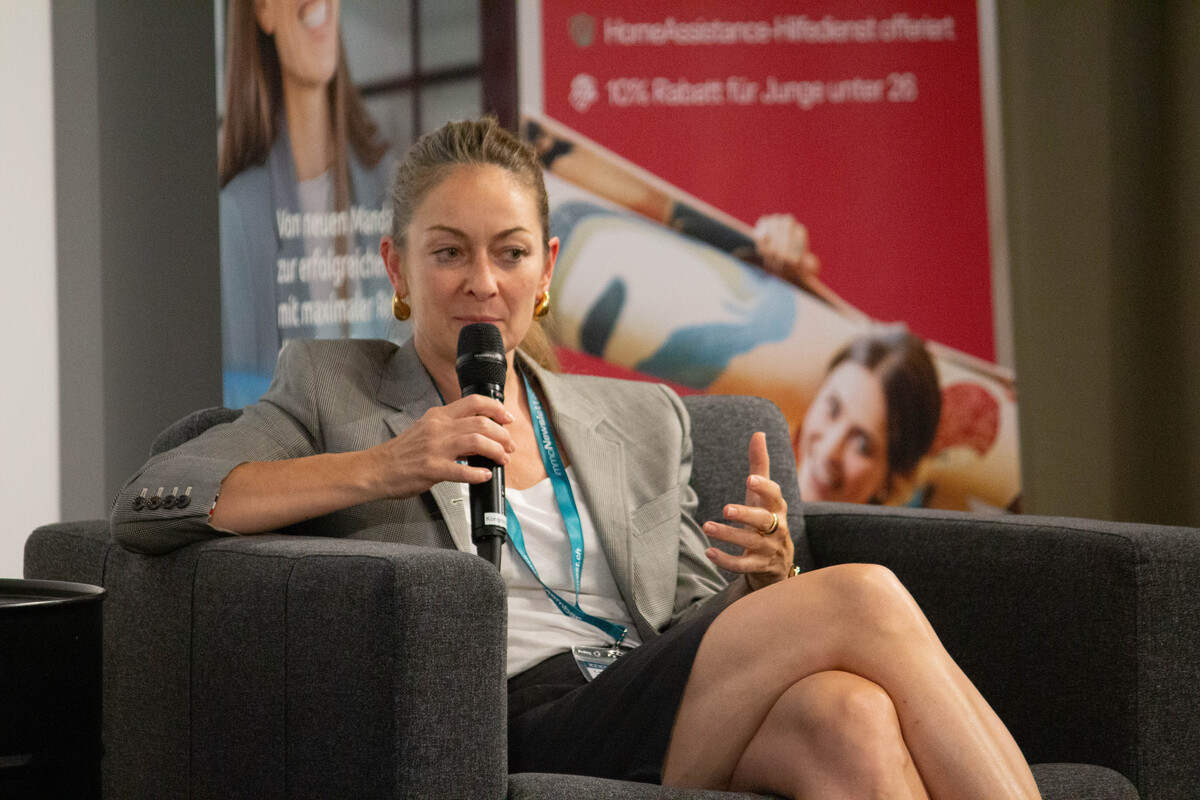
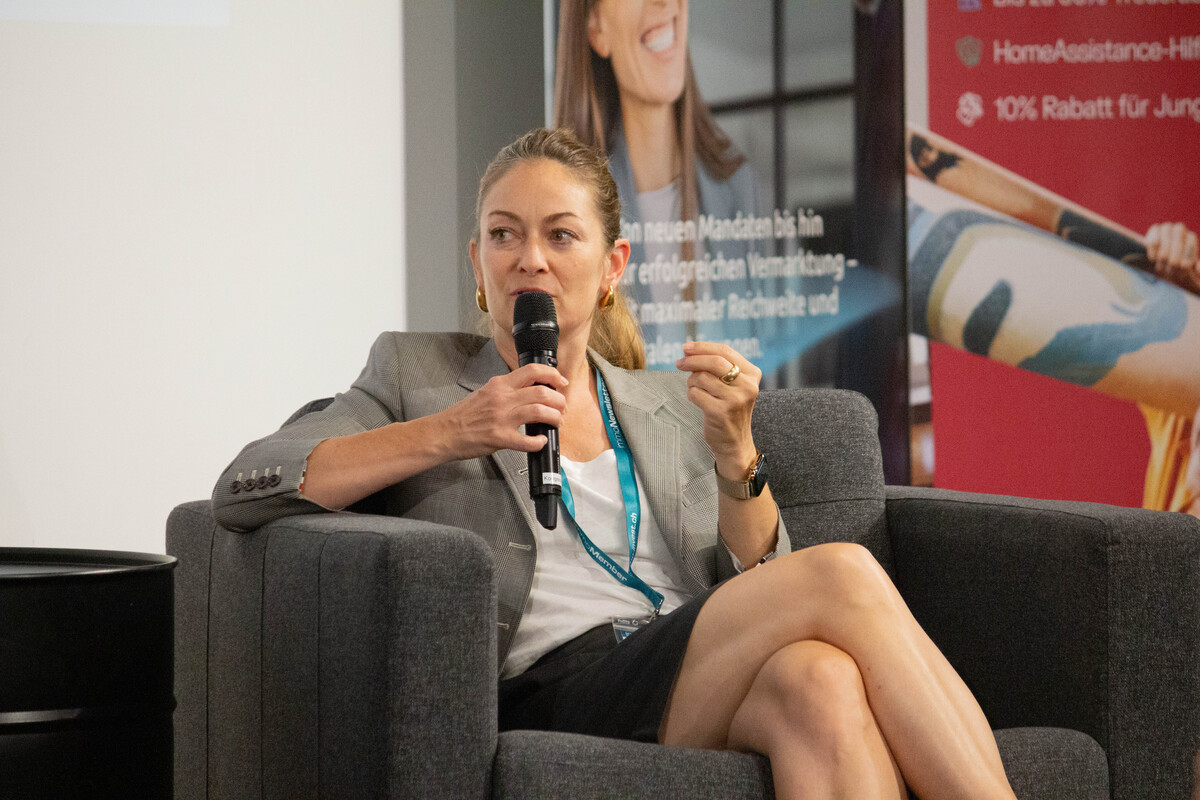
During the concluding panel discussion moderated by Joris Van Wezemael, Roger Bachmann, Balz Halter, Samuel Mösle, and Ladina Esslinger exchanged views. There is an awareness that we are a shared economic region, but implementation remains challenging. Esslinger urged participants to think beyond their own property lines: “If everyone does that, we’ll make progress.” Roger Bachmann, president of the Limmattal Planning Group, emphasized: “We’re all in the same boat.” Cooperation and dialogue with the Canton of Aargau across cantonal borders are already in place and must be intensified. The complexity is increasing, and the framework conditions must be continually adapted. Issues such as AI and demographics require cross-departmental support.
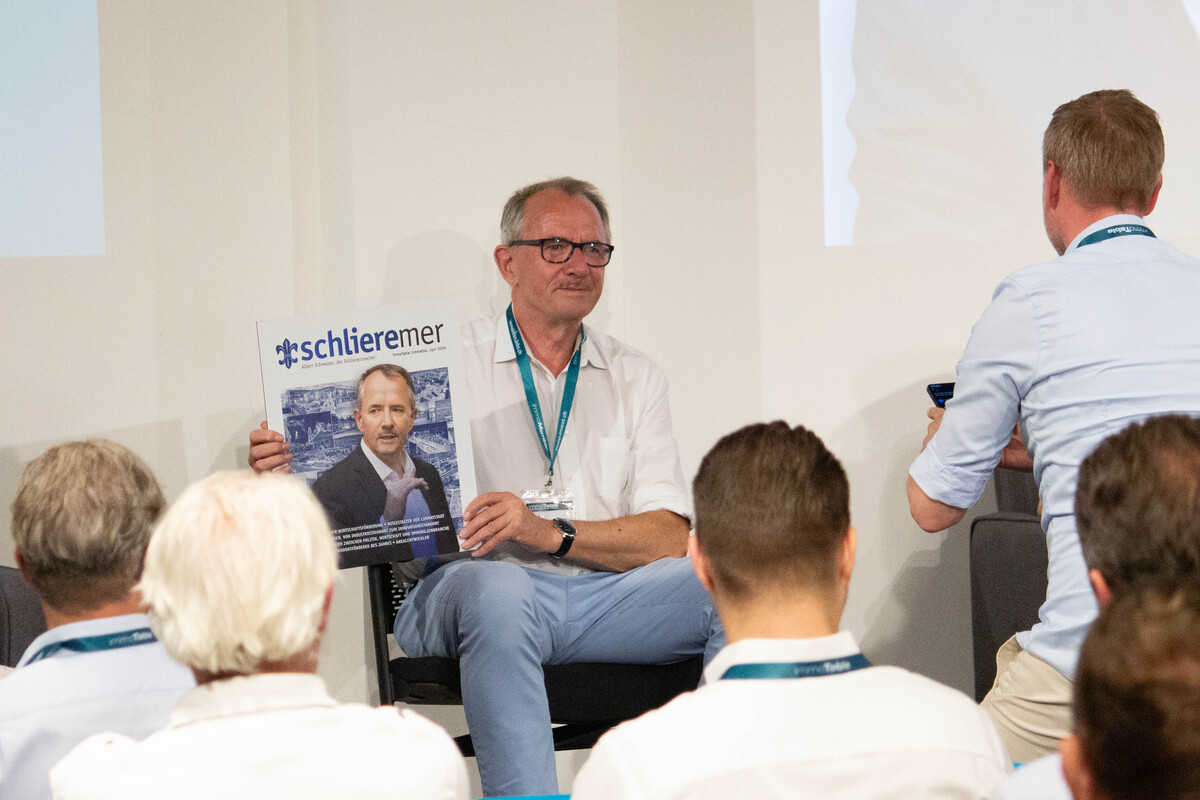
Leadership is the decisive factor for success, and Schlieren has shown how it’s done. Albert Schweizer—pragmatic, highly effective, and renowned throughout Switzerland—was honored at immoTable as the “Schlierenmaker.”
The Limmat Valley has the prerequisites, the stakeholders, and the energy. What is missing now is a shared vision and the courage to implement it consistently.