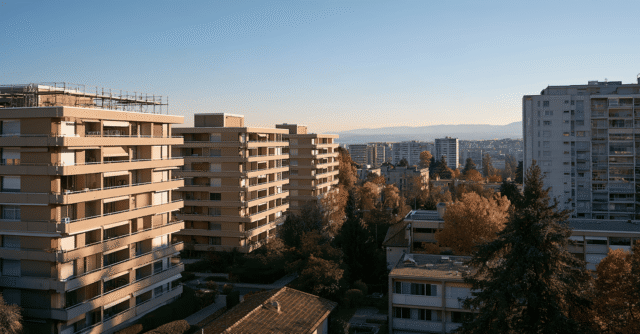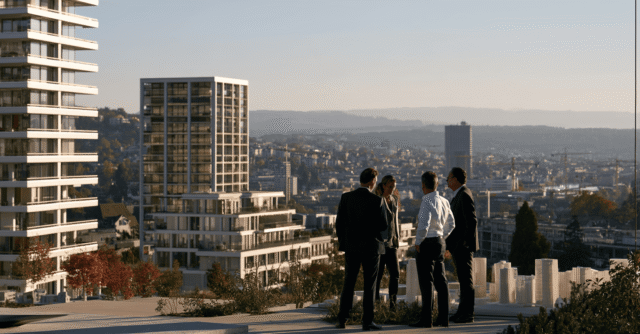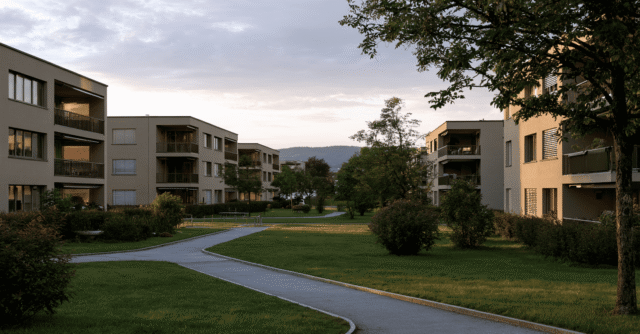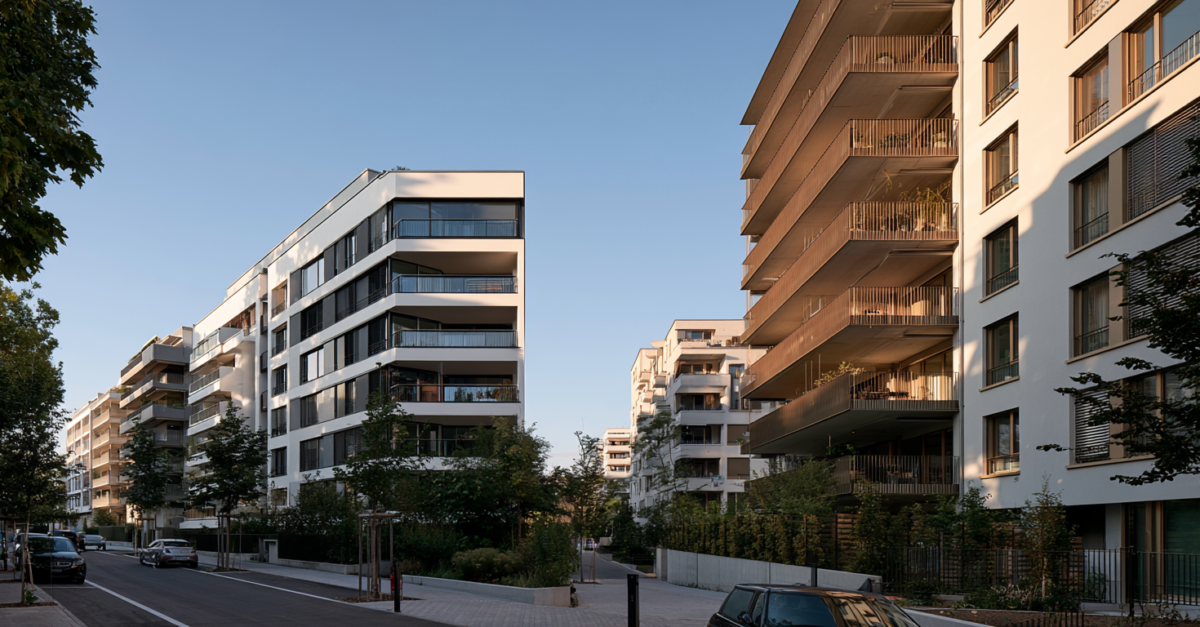

The additional housing stock has not resolved the situation. Although the city of Bern had a total of 79,797 flats as at 31 December 2025, only 351 flats were vacant again on 1 June 2026. The reserve thus remained at a level well below the 1 per cent mark, below which a housing shortage is usually said to exist.
A look at the distribution is particularly revealing. Among the vacant properties, three-room flats dominated with 165 units, followed by 95 two-room and 51 four-room flats. At the same time, 54 of the 351 flats recorded had already been let for a later date as at the reference date. The stock immediately available was therefore even smaller.
New-builds do not provide a buffer
The survey also shows how quickly new housing is snapped up by the market. New-builds were fully let. For property developers, owners and the city, this means that even additional construction is not currently visibly alleviating the shortage. The rate remained unchanged from the previous year and has remained virtually static since 2023.
Neighbourhoods are drifting apart
Geographically, the vacancy rate is distributed very unevenly. In the city centre, only 23 unoccupied flats were counted. In the Bümpliz-Oberbottigen district, the figure was 92. The periods of construction also show that the vacancy rate is not solely a phenomenon affecting older buildings. 129 vacant flats date from before 1947, whilst 222 were built between 1947 and 2023.
Little relief in sight
This is a persistent signal for the Bern housing market. The housing stock is growing, yet vacant flats remain extremely rare. As long as new-build properties are being snapped up without any vacancies arising, and even the statistically recorded vacant stock is, in some cases, already being let again, the pressure on the letting market, housing policy and new projects will remain high.