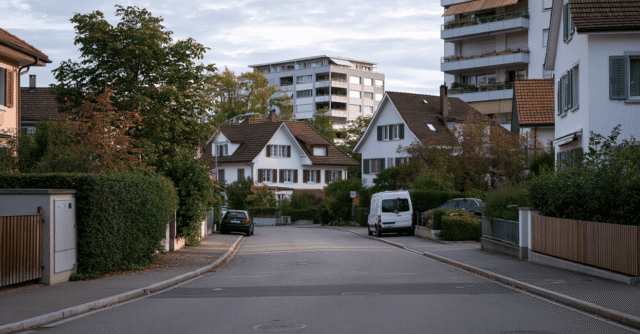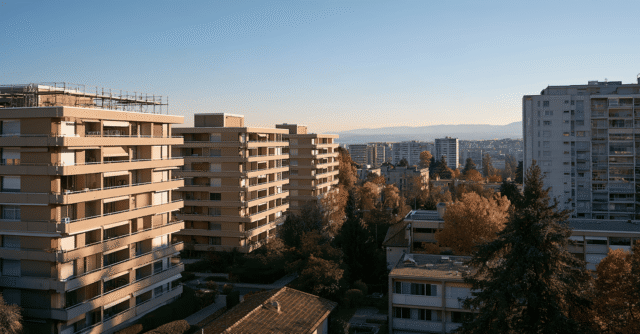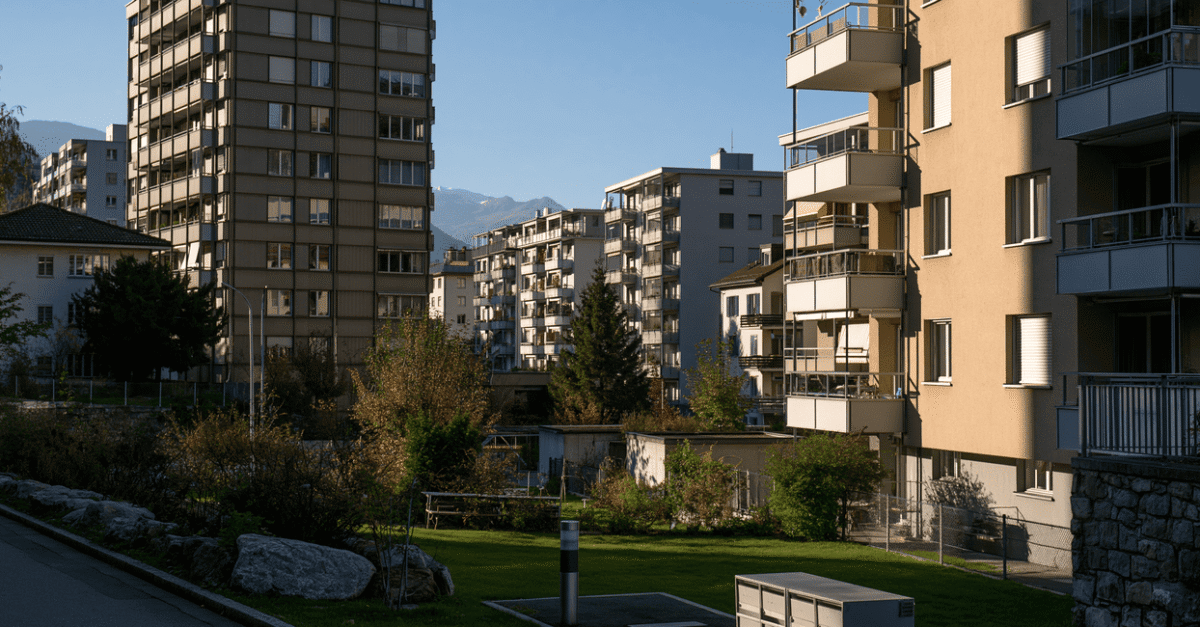

The conflict centers on the question of how much the city should intervene in the housing market. The citizens’ initiative calls for the legal framework to be amended within two years of its adoption so that at least one-third of the new residential space built annually within the municipal boundaries is permanently rented out based on the principle of rent based on costs. The City Council considers this model too ambitious and points to the limited legal leeway when it comes to privately owned parcels.
The situation is tense. For Chur, the Federal Statistical Office projects a vacancy rate of 0.4 percent for 2026. In its statement, the City Council explicitly acknowledges the need for action but does not want to slow down construction activity by imposing additional requirements on private investors.
Two Paths, One Goal
The popular initiative enshrines the protection, preservation, and increase of the share of affordable housing in the city constitution. In addition, the number of apartments permanently rented at cost-based rents is to rise steadily. The counterproposal follows the same principle but shifts the focus to land and tools that the city can directly control. According to the message, the granting of building rights on city-owned parcels, together with the city’s own portfolio, is the central starting point.
The City Council recommends rejecting the initiative and is proposing a counterproposal. According to the explanatory memorandum, this counterproposal sets a lower quota than the initiative and expressly refrains from imposing restrictions on private investors. The vote will thus serve as a choice of direction for project developers, cooperatives, and property owners between broader regulatory intervention and a solution focused more on land policy.
What Will Be Decisive for Projects
For real estate practice, implementation is particularly relevant. If Chur relies more heavily on its own land and building rights, partnerships with nonprofit housing developers will take center stage. According to the city’s own statements, it has previously granted building rights on land to 25 nonprofit housing developers, on which 428 apartments were built. This shows that the municipal land portfolio in Chur carries weight not only in terms of housing policy but also as a development tool.
The proposal takes on added urgency due to its timeline. The vote is scheduled for November 29, 2026. If the decision goes in favor of the initiative, the city would have to make the necessary legal adjustments within two years. If the vote is in favor of the counterproposal, the specific design of the subsidy framework for city-owned land will become the next test for Chur’s housing policy.