Zug relaxes its building regulations and aims to provide affordable housing
Zug is relaxing the rules in response to the severe housing shortage. The cantonal government is putting a partial revision of the Planning and Building Act out for consultation, linking increased density, faster procedures and new special zones to the provision of affordable housing.
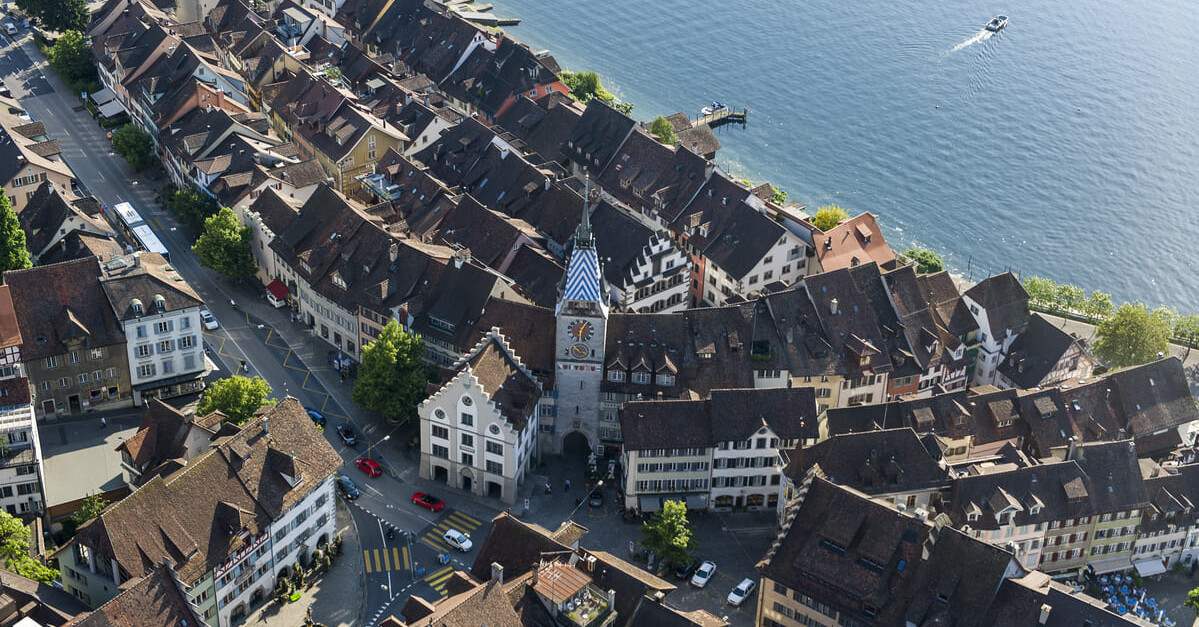
Image: LohriPR / Wikimedia Commons, CC BY-SA 4.0
The public consultation on the partial revision of the Zug Planning and Building Act will begin on 17 September 2026. The Cantonal Government aims to use this to facilitate the creation of additional housing more quickly within existing built-up areas and to increase the proportion of affordable flats.
At its core, the proposal is based on a trade-off. Anyone wishing to build more in residential and mixed-use zones must, in return, provide affordable housing. The plans provide for an additional full storey and up to 10 per cent more countable floor area. Residential zones 1 and 2, as well as the core zones, are excluded.
Higher density in return for clear conditions
Even under simple development plans, the floor area ratio is to be increased by a further 10 per cent if affordable housing is built. This additional space must be used predominantly for affordable housing. The affordable housing must be subject to the cantonal Housing Promotion Act or comply with equivalent local regulations.
White Zone as the most stringent instrument
The planned White Zone goes the furthest. This temporary special zone overlays an existing building zone and is intended to enable the construction of as many new flats as possible. At least 40 per cent of these must be affordable. To this end, larger building structures are also expressly permitted. Prerequisites include a basis in the cantonal structure plan, an entry in the local building and zoning regulations, and a planning agreement between the landowners. This agreement should also set out how local residents can be given priority.
Procedures should take longer, not projects
The canton is also tackling the planning permission processes. Simple building applications should be able to be processed without staking out the site or public notice if no significant public or private interests are affected or if the neighbouring landowners give their consent. Furthermore, Zug intends to tighten up the deadlines. Consultations in appeal proceedings are, in principle, to last 20 days instead of the usual 30, and the cantonal appeal bodies are to rule on appeals against planning applications, objections and special-use plans within six months. In addition, there will be a legal basis for digital procedures, although paper submissions will still be permitted.
The pressure is considerable. As part of the Housing Policy Strategy 2030, the cantonal government refers to the persistent shortage of supply, lengthy planning processes, objections, limited land availability and growing regulatory requirements. As early as May 2026, the canton had noted that, due to the political and planning lead times, the impact of the legislative amendments was unlikely to be felt on the housing market until the medium to long term.