The underestimated bottleneck
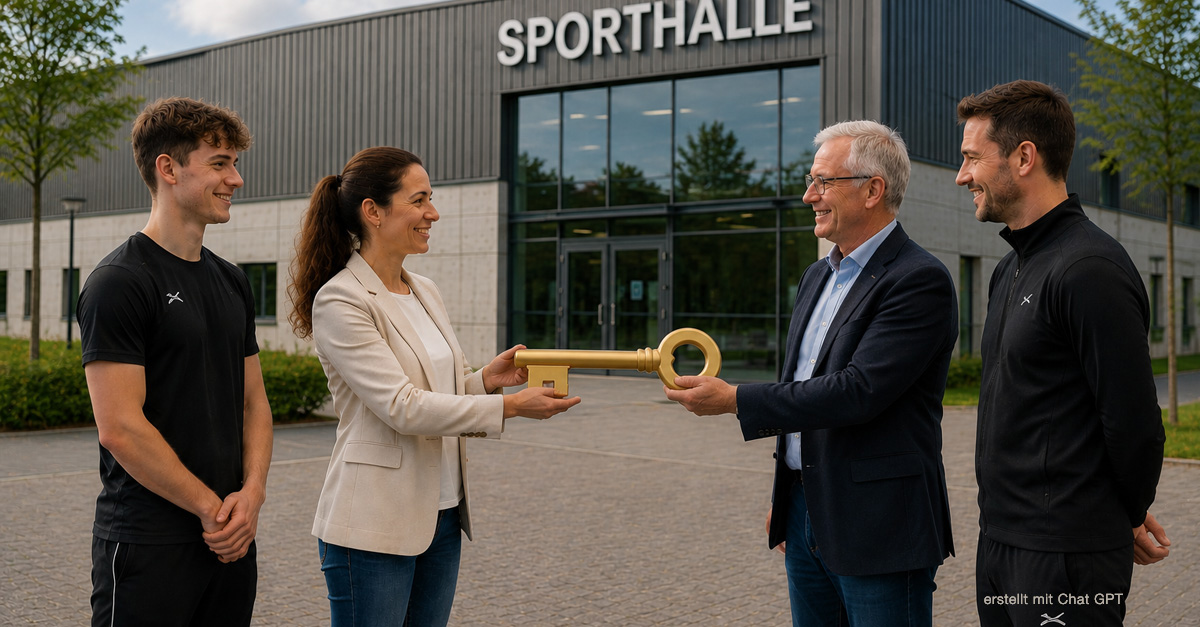
Anyone who has had operational responsibility for the takeover of a new commercial building will be familiar with the typical symptoms of inadequate preparation: the final phase between the completion of construction and the actual start of use regularly becomes dangerously skewed. Planning or construction delays compress the already tight time window before the fixed opening date. The resulting time pressure is almost always to the detriment of operations.
In practice, the same deficits are always apparent: announced introductions and training courses turn out to be a mere theoretical transfer of information rather than a needs-based qualification of staff. The finalization of essential inspection and operating documentation often takes more than a year after the actual start, and the client has to put a great deal of manpower and energy into rectifying defects. In short, commissioning is collectively underestimated by building owners, operators, planners and general contractors – even though the risks and influencing factors are well known.
Strategic solutions and key operational elements
The prerequisites for a smooth transition to regular operations are complex, but controllable. The focus must be on four central levers:
- Ensure sufficient resources in operation: During the commissioning phase, the operator temporarily requires significantly more personnel and organizational capacities than during regular operation later on. These requirements must be defined at an early stage and taken into account in the planning. For example, cleaning concepts must be reviewed in good time and adapted to the actual conditions. In order to relieve internal key personnel in their dual role between project work and ongoing business, the targeted involvement of an external “troubleshooter” is also recommended. As soon as all technical systems are stable and coordinated, the personnel requirements can be gradually reduced to the target level.
- Early consideration of operating and lifecycle costs: The transition from construction to operation immediately triggers running costs. Complex building and IT systems in particular generate license, maintenance and support fees at an early stage. These expenses must be clarified commercially in advance and contractually regulated in a watertight manner in order to prevent budget overruns on day one.
- Proactive preparation of operational information: It is imperative that all checklists, operations manuals and operations-specific documents are available prior to commissioning. The implementation of a digital FM tool can support this by digitally mapping the operational organization and making relevant data centrally available. The client must also ensure that the relevant requirements are defined and bindingly requested in the tender documents.
- Realistic scheduling and transparent processes: A successful commissioning process requires a dedicated timeline and clear structuring. Planners and contractors need a sufficient buffer in order to largely complete the rectification of defects before the physical handover. At the same time, the operator needs time for test runs with the end users. Particularly in the case of publicly used infrastructure, there is often high pressure due to fixed opening dates, which can sometimes jeopardize the required quality of execution.
Conclusion and outlook
Commissioning is not a downstream, mandatory administrative task, but an independent, critical success factor in the overall process of a construction project. If this is planned at an early stage, in a structured manner and with the necessary resources, not only can the quality of the handover be significantly improved, but the start of operations can also be stabilized in the long term.
A consistent focus on operational requirements, combined with realistic deadlines and clearly defined responsibilities, creates transparency for everyone involved and reduces frictional losses at the interface between construction and operation.
Experience shows that although professionally organized commissioning initially requires more planning and coordination, in the long term it leads to significantly lower follow-up costs, fewer conflicts and significantly higher user satisfaction. This turns commissioning from an “unloved child” into a key lever for sustainable project success.
As a specialist in the field of operating and utilization expertise for sports and leisure facilities, the planning, management and support of complex commissioning projects is one of the core competencies of BPM Sports (www.bpm-sports.ch).