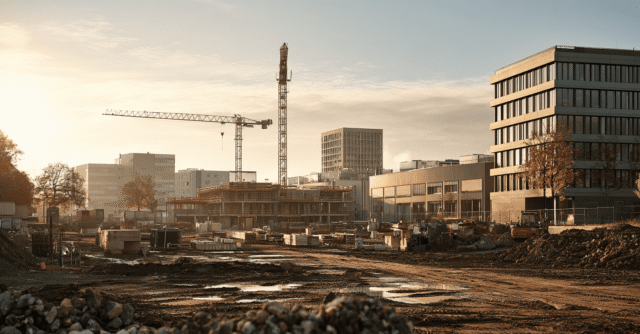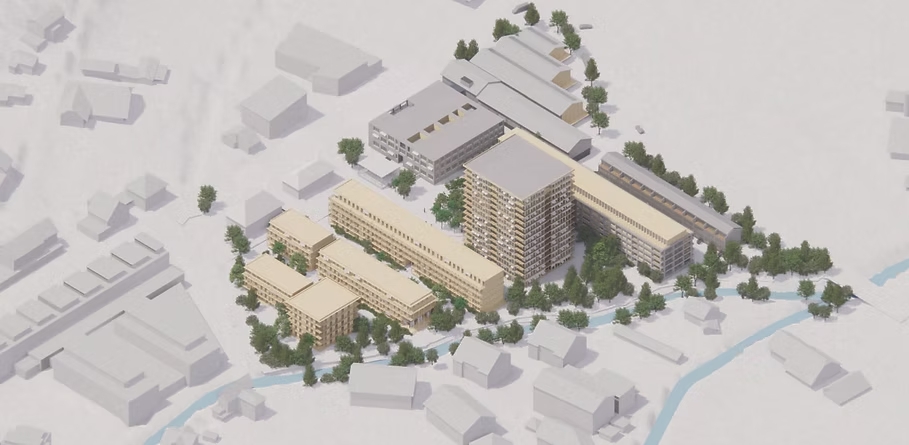
One of the region’s most exciting transformation areas is located between the railroad station and the old town. Halls, warehouses and work yards are being transformed into an urban quarter with its own character. The area thus plays a key role as the gateway to Willisau.
The area is roughly the same size as the historic old town. The previously closed production site is being transformed into an open piece of town. Paths, squares and open spaces will connect the station, the old town and the district. The previous barrier will become an urban interface.
Mixture instead of monofunction
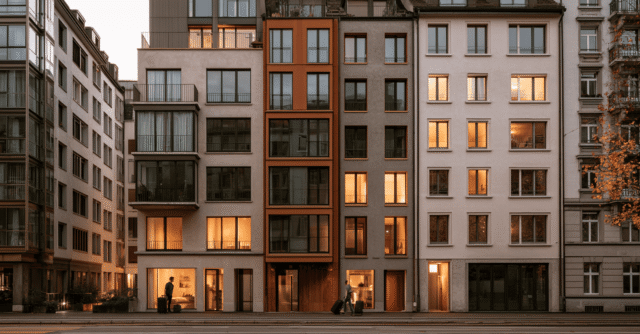
The development clearly focuses on a mixture of uses. Several hundred apartments of different sizes and typologies are planned, supplemented by areas for commerce, services and local amenities. Living, working, shopping and leisure are moving closer together.
It creates frequency throughout the day, increases the utilization of the infrastructure and reduces dependency on a single type of use. At the same time, it opens up scope for new forms of work, small-scale service providers and local suppliers.
Identity from the industrial past
The Wellisareal remains recognizable as a place. Parts of the existing building fabric will be preserved and used for new purposes. The industrial character not only provides history, but also identity. It clearly distinguishes the district from green meadow developments on the outskirts of the town.
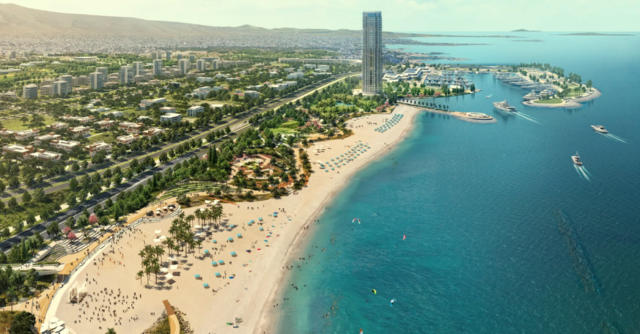
New buildings complement the existing buildings without covering them up. A high point marks the area in the silhouette of Willisau. The decisive factor here is not the height alone, but the effect in the urban space. This creates an image that remains anchored in the perception of residents, visitors and investors.
Open space as a location factor
The project consistently combines density with open space. Generous green spaces, trees, squares and paths structure the quarter and ensure a quality of stay. Instead of the inner courtyard as a residual area, the open space is at the center of the concept.
For future users, this is more than just a matter of comfort. Shaded recreational areas, well thought-out outdoor spaces and differentiated microclimates are becoming hard location factors. They influence rentability, image and long-term value development. A robust open space concept also supports the adaptability of the neighborhood over its life cycle.
Rebalancing mobility
The location directly next to the train station and close to the old town allows for a low-traffic approach. Priority is given to pedestrians and cyclists, with public transport services within walking distance. The project deliberately reduces the number of parking spaces and focuses on alternative forms of mobility.
For local authorities and investors, this means less land consumption for cars, more space for value creation and quality of life. At the same time, there is increasing pressure to think of mobility as an integrated offer. From sharing solutions to logistics and neighborhood services.