Swiss freight metro is on ice
Cargo sour terrain (CST) is abandoning its goal of realizing a Swiss freight metro in the near future. CST justifies this by stating that the federal government, cantons and cities must first create suitable framework conditions. The focus is now on consulting. Ten jobs are being cut.
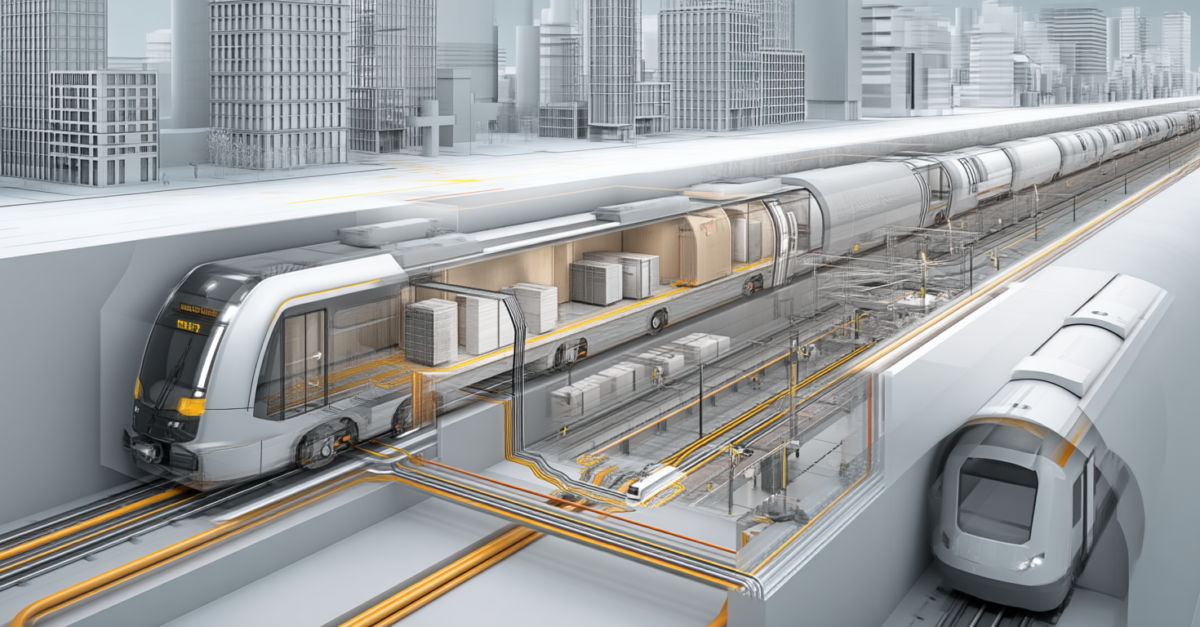
The Cargo sous terrain(CST) underground freight transportation system has failed in its previously planned form. The private company Cargo sous terrain AG writes in a press release that its implementation is not economically viable at the present time. Private financing of the construction phase would require a different legal framework. The key is to embed the metro in an overall logistics system and to establish stable partnerships with the federal government, cantons and cities.
According to CST, the technical and structural feasibility of the project has been proven. The plans for the underground logistics system with fine distribution in cities were confirmed as part of an independent review in spring 2025. It is now up to the authorities to proceed on this basis.
CST remains in dialogue, but is shifting its focus: the company now wants to advise national and international organizations on urban logistics issues. In this context, CST must reduce costs and also cut ten jobs. According to the press release, CEO Christoph Späth deeply regrets this step. However, by restructuring, CST is setting the course for a sustainable future.
“We do not currently have the resources to continue the organization with its current focus and are therefore adapting to the realities of the situation,” said Chairman of the Board of Directors Marco Rosso. It will take time until CST is firmly anchored in transport policy and can mobilize long-term investments.
The plans for the freight metro had envisaged an underground network from Geneva to St. Gallen and from Basel to Lucerne with a branch from Bern to Thun. The first section of the freight metro from Härkingen to Zurich was originally scheduled to go into operation in 2031.