
According to a press release, energy supplier AEW Energie AG is investing 8 million Swiss francs in the construction of a district heating network in Augst, in the canton of Basel-Landschaft. According to the company, this sends “a clear signal regarding the implementation of the energy strategy and the consistent expansion of renewable heating solutions”.
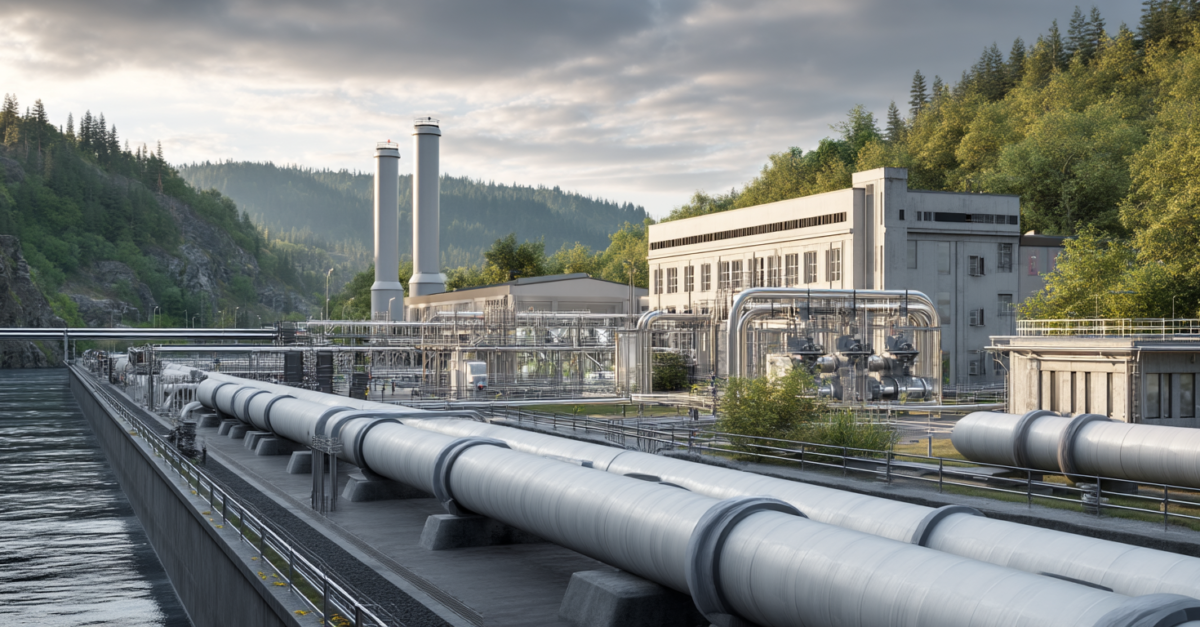
Waste heat from the generators at the existing Augst hydroelectric power station and water from the Rhine are to be used for district heating. It is stated that, via a 1.3-kilometre-long district heating network, the connected buildings will receive CO2-free energy from the start of the 2026/2027 heating season.
Three heat storage tanks, each with a capacity of 15,000 litres, will ensure a secure supply and reliable, stable operation even during peak loads. According to the press release, the plant’s thermal output is 2 megawatts and is expected to deliver a heat output of 4,400 megawatt-hours once fully operational. This is expected to save 1,200 tonnes of CO2 annually.
At the start of the construction project with the ground-breaking ceremony on 16 March 2026, the company announced that it was creating a replacement for the AEW Contracting plant in Pratteln, which had been operated using wood pellets and oil. “With the Augst heating network, we are making optimal use of existing energy sources from our own infrastructure and making an important contribution to the decarbonisation of the region’s heat supply,” said Dr Raffael Schubiger, Chairman of the Board of Directors of AEW Energie AG and Kraftwerk Augst AG.
According to David Gautschi, Head of Production at AEW, the Augst heating network exemplifies how existing energy infrastructure and natural resources can be efficiently combined.