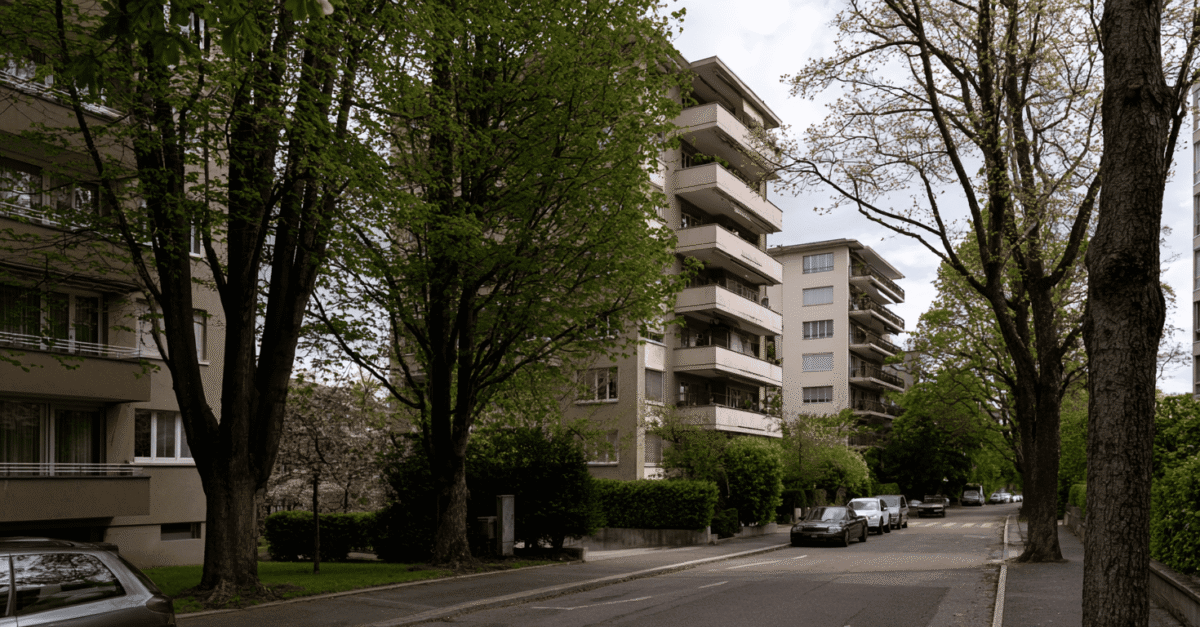

The owner has already submitted the planning application for the site on Morillonstrasse and Rosenweg. This means that the replacement development is currently under review by the City of Bern, whilst a strict deadline is in place for the existing tenancies. The flats are to be vacated by the end of September 2027 at the latest; as things stand, initial construction work is scheduled for the fourth quarter of 2027.
Greater density on the same site
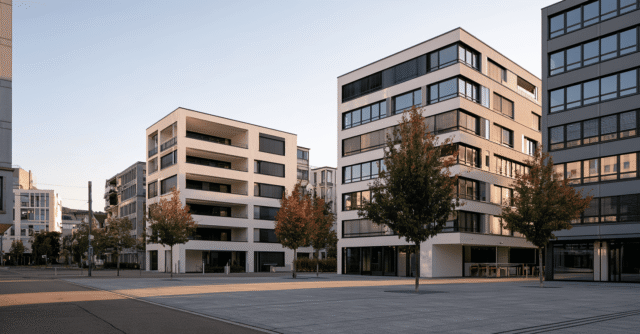
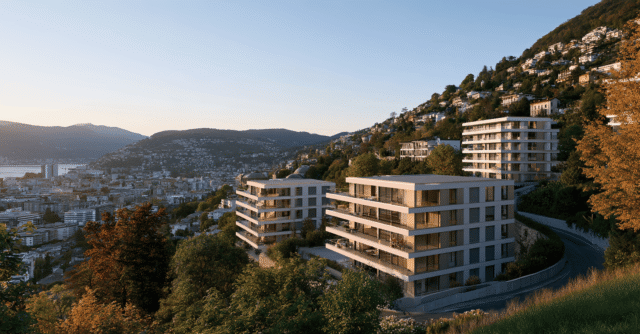
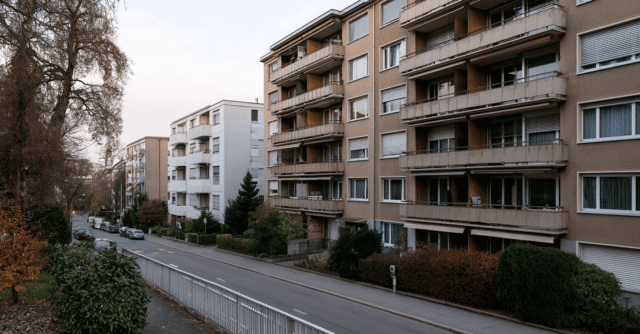
The plans include 42 flats ranging from 2½ to 5½ rooms. There are currently 27 flats on the site. In addition, there will be a studio and a multi-storey car park with 27 parking spaces. The basement will also house bicycle storage, cellars and plant rooms. For the owner, the project is therefore not merely a replacement, but a clear increase in density in a well-connected location in Weissenbühl.
Demolition rather than refurbishment
The Solothurn Cantonal Pension Fund acquired the development site in July 2024 and now manages the Bern property on Morillonstrasse itself as a construction project within its portfolio. It justifies the demolition on the grounds of the structural condition of the existing buildings and the lack of economic viability of a refurbishment. Plans include an air-to-water heat pump and a photovoltaic system. According to the information available, the total investment, including the purchase price, amounts to just over 40 million Swiss francs.
Rents remain a sensitive issue
No specific figures are available as yet regarding future flat rents. The owner refers to market rents customary for the neighbourhood. This is precisely what makes the case so contentious in Bern’s tight housing market, as several current tenants expect to find it almost impossible to find alternative accommodation in the same price bracket. According to the city, there is no requirement for affordable housing on the site.
Resistance could slow down the timetable
Some of the tenants want to delay the eviction through legal means. This does not alter the fact that the planning process is already underway. For project developers and property owners, this case serves as a prime example of how, whilst replacement developments in urban residential neighbourhoods create additional flats, they can quickly become a source of political and social conflict.