
According to a press release, the climate protection programme run by zirkulit Beton AG in Kloten has now been officially registered as a project aimed at increasing carbon sequestration capacity. This makes it the first project for CO2 storage in circular concrete to be approved by the FOEN in Switzerland. The programme comprises several CO2 storage facilities operated in partnership with concrete manufacturers at various locations across Switzerland.
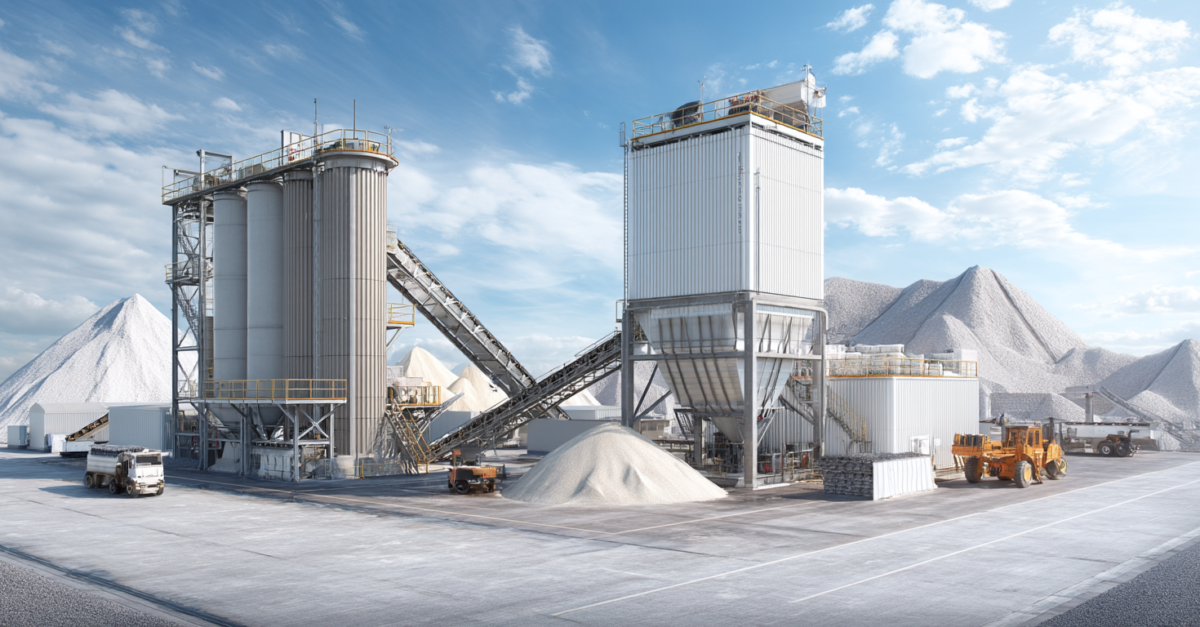
As part of the programme, biogenic CO2 is captured from Swiss biogas plants, transported to recycled concrete plants and, there, brought into contact with granulate from demolition concrete in the storage facilities developed by zirkulit. The CO2 reacts with the cement paste contained in the concrete aggregate to form calcium carbonate and is thereby permanently bound in a mineral form. This aggregate is then used to produce circular concrete.
“This creates a permanent carbon sink within a durable building material,” says zirkulit Beton AG, “a key lever on the path to net-zero in the building sector.” This underscores its commitment to actively contributing to the transformation towards a circular and climate-friendly construction industry.
The programme is financially supported by the Klimarappen Foundation. Together with the partners of zirkulit Beton AG, it is funding the project as one of five national pilot projects for negative emission technologies and carbon capture and storage. Klimarappen is providing a total of 50 million Swiss francs for this purpose. Funding is provided under a multi-year supply contract for the CO₂ removals achieved through the programme.