
The pressure is not coming from the neighbourhoods, but from the capital market. According to INSEE, France’s public debt stood at 119.0 per cent of gross domestic product at the end of the second quarter of 2026. At the same time, deficits remain high, which makes refinancing more expensive and affects the terms of mortgage loans.
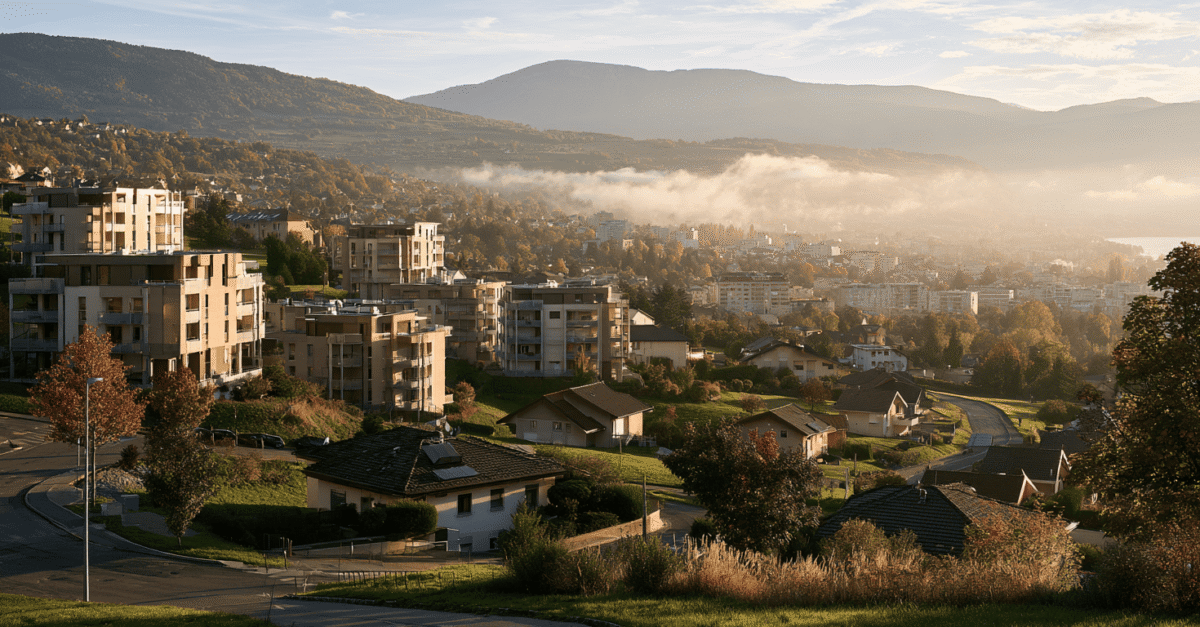
This is a delicate issue for border regions with close ties to Switzerland. There, part of the demand for home ownership on French soil comes from households that earn in Swiss francs but take out mortgages in euros. If French mortgages become more expensive, their affordability will decline even if the location remains attractive due to Swiss wages.
The franc offers only partial relief
The exchange rate only cushions the effect to a limited extent. On 23 October 2026, the Swiss National Bank quoted an exchange rate of 0.9212 francs to the euro. Whilst this boosts the purchasing power of cross-border commuters with franc-denominated wages when calculated in euros, However, when it comes to purchasing decisions, the key factor is how much the monthly burden of new loans increases. This is precisely where the French household situation is likely to put the brakes on the market.
Housing market remains vulnerable
The bond market is also sending out a warning signal. According to market data, the yield on ten-year French government bonds stood at just over 5 per cent on 23 October 2026, having previously risen above that level at times. Rising government bond yields affect mortgages via the banks’ refinancing. In markets close to the border, this is likely to impact transactions in particular, as demand becomes more price-sensitive and property owners face fewer prospective buyers.
Local impact rather than a national crisis
This does not yet point to an imminent financial crisis in France. Whilst INSEE reports a high debt-to-GDP ratio, France continues to benefit from older debt portfolios taken on at more favourable rates. For the property market along the Swiss border, however, sustained pressure on interest rates is enough to slow down sales and dampen price growth. This would be particularly noticeable in residential areas in Haute-Savoie, Ain and the Saint-Louis area near Basel.