

Waste as a source of energy
For the Swiss Federal Office of Energy, it is clear that waste heat from waste-to-energy plants is considered CO₂-neutral. Limeco makes use of precisely this principle. The waste heat from the Dietikon waste-to-energy plant is channelled as ‘Regiowärme’ to households and businesses in the region. In 2025, the network supplied 173 gigawatt-hours, saving 58,300 tonnes of CO₂ in the process, and grew by 10.8 kilometres to a total of 74.3 route kilometres. This is equivalent to around 323 fully laden heating oil lorries that never had to be driven. More than 1,600 buildings are now connected.
Water as a second energy source
District heating does not come solely from the chimney of the waste-to-energy plant. The wastewater treatment plant also supplies energy. Wastewater heat is already feeding the district heating network in the Limmatfeld district of Dietikon. The Dietikon Wastewater Treatment Plant is the third-busiest facility in the canton after Zurich and Winterthur, and at the same time an underestimated source of energy. Waste and wastewater together make the Limmat Valley less dependent on fossil fuels than many realise.
Network is expanding, the goal is clear
By the time the final phase is completed in 2045, the district heating network is set to grow to over 84 kilometres and supply around 260 gigawatt-hours annually. This will make Limeco one of the ten largest district heating networks in Switzerland once the final phase is complete. CO₂ savings will then exceed 60,000 tonnes per year, equivalent to around 25 million litres of heating oil. The Limmat Valley’s population is set to grow to around 130,000 by 2050. The infrastructure to support this is being built now.
Storing electricity when it is in surplus
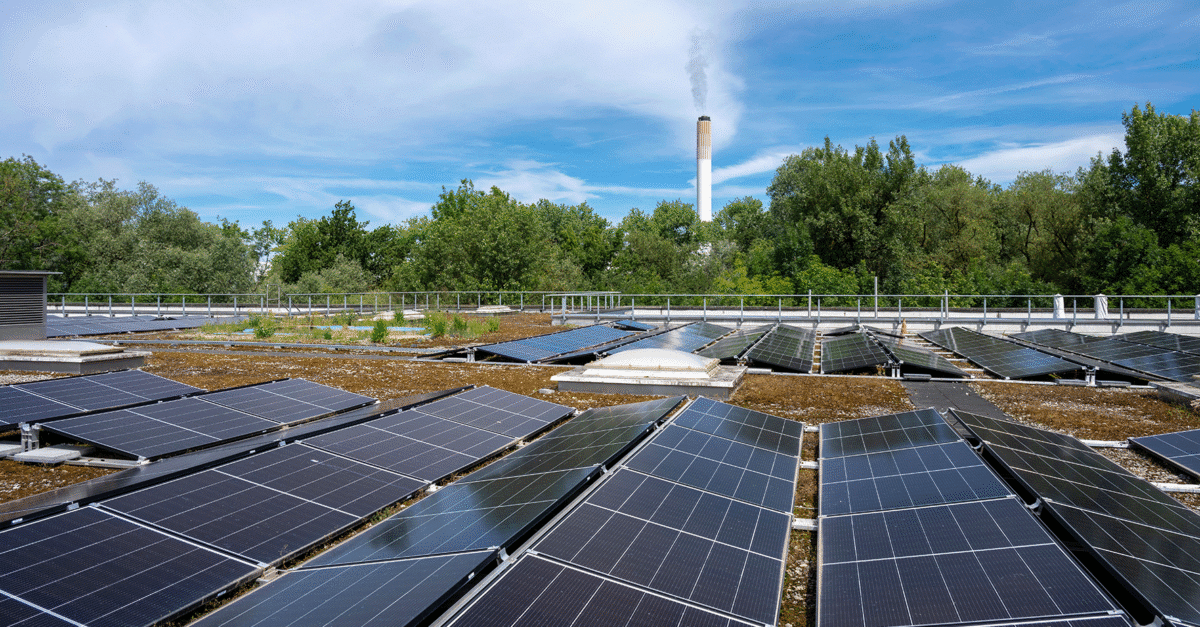
The system goes beyond heating. Limeco already operates Switzerland’s first industrial power-to-gas plant. This converts surplus renewable electricity into storable, carbon-neutral methane gas. The gas is fed into the gas network and can be converted back into electricity as and when required. This is complemented by 624 solar panels on the wastewater treatment plant roof, which generate green electricity directly on site. Those who not only generate energy but also store it have truly understood the energy transition.
Resilience as a systemic principle
The Limmat Valley is to be supplied not only with clean energy, but also with a secure supply. The LEZ Limmat Valley Energy Centre is a multi-energy hub. Various plants, technologies and energy sources are interconnected so that heat, electricity and gas are available at the right time, in the right place, and in the right quantity and quality. What still sounds like a vision of the future today is already enshrined in the 2050 Master Plan. Here, resilience is not a marketing promise, but system architecture.
Three products, one principle
Connected properties can choose between three heating products: Standard, Pur and Pur. The supply can be tailored to individual needs depending on environmental requirements and budget. The cantonal Energy Act, in force since September 2022, provides further impetus for the transition from fossil fuel heating to district heating. Anyone still heating with oil today will soon be doing so in breach of the law.
Text: Sabine Billeter • Images: Limeco
A region turns its waste into heat
More Articles
Lucerne on the cusp of its next phase of development
With the through station, the bypass and the planned partial coverings in Lucerne South, key transport and urban development projects are at a critical juncture. State Councillor Fabian Peter explains…
 immo!nvest+
 Construction delays are also holding back the business sector
In Switzerland, lengthy procedures, objections and missed deadlines do not only affect residential construction. A new sector study on speeding up procedures in commercial construction confirms that the same obstacles…
Lucerne must measure itself against the world’s best
Patrik Wermelinger has taken over as head of Lucerne’s Economic Development Agency. He does so at a time when the city must hold its own in global competition whilst retaining…

Rösti’s charging requirement puts pressure on owners
The Federal Council wants to make it compulsory for landlords and owners’ associations to install basic charging infrastructure as soon as residents request it. The consultation period runs until 12…
Schwyz’s regional plan is set to be adopted
In the canton of Schwyz, the 2025 revision of the structural plan is moving towards the next political stage. Following the public consultation period, which runs until 22 June 2026,…