Discussion about security of supply and dependence on nuclear power
The Gösgen nuclear power plant is expected to remain shut down until the end of February 2026. The ongoing modernization of the water supply system requires additional measures and evidence. The shareholders Alpiq, Axpo, the City of Zurich, CKW and ewb will lose CHF 500 million.
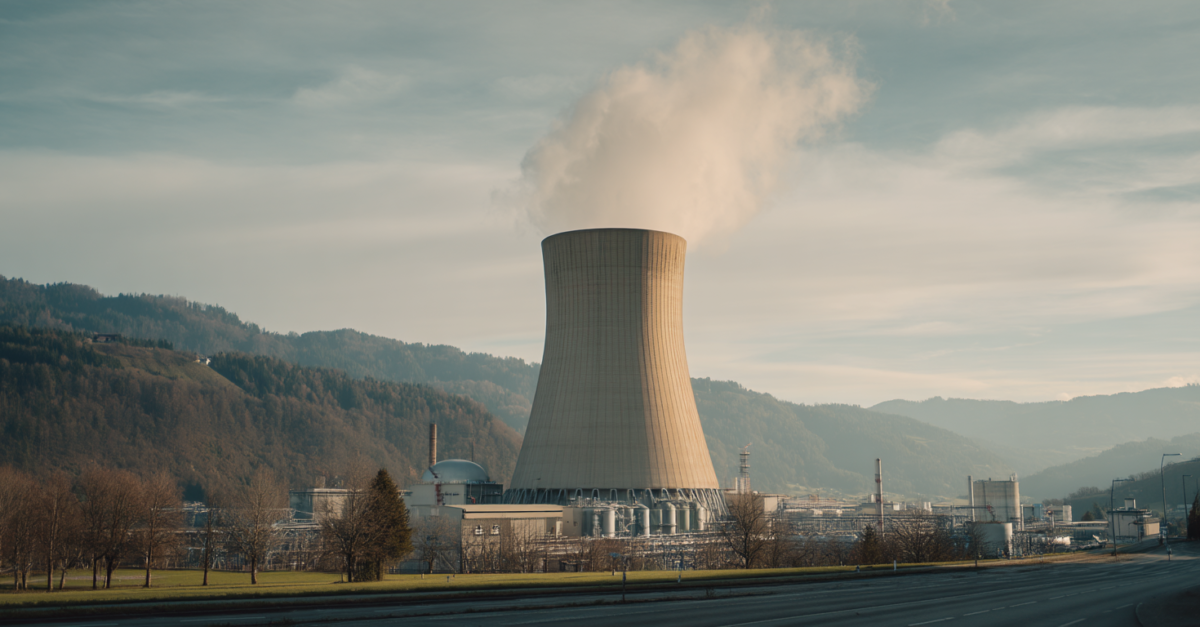
The Gösgen nuclear power plant(KKG) is modernizing its feed water system. It has therefore been off the grid since the end of June. The resumption of electricity production has now been delayed by a further six months, according to a statement.
KKG blames this on the increasing safety requirements. The system needs to be strengthened at certain points. It also needs more time to provide evidence to the authorities. The KKG can only be restarted once the Swiss Federal Nuclear Safety Inspectorate(ENSI) has given its approval. The KKG is therefore expected to be able to return to the grid at the end of February 2026, according to the press release.
The operators expect a loss of production during these eight months amounting to almost 6 terawatt hours and a loss of revenue of 500 million Swiss francs, Alpiq writes in a press release.
Alpiq is the largest single shareholder with 40 percent and expects a loss of earnings of CHF 200 million. Axpo is the second-largest shareholder with 25 percent, followed by the city of Zurich with 15 percent, Axpo subsidiary CKW with 12.5 percent and Energie Wasser Bern(ewb) with 7.5 percent. On top of this, the shareholders must now procure the missing electricity on the free market in order to meet their supply obligations.
KKG covers a good tenth of Switzerland’s electricity consumption. Critics of nuclear power such as the Swiss Energy Foundation SES point out the risks of centralized power generation. “Dependence on individual nuclear power plants represents a cluster risk for the secure supply of electricity,” Managing Director Nils Epprecht is quoted as saying in an SES press release. “We would do well to shift our electricity production to many decentralized, renewable plants as quickly as possible.”