

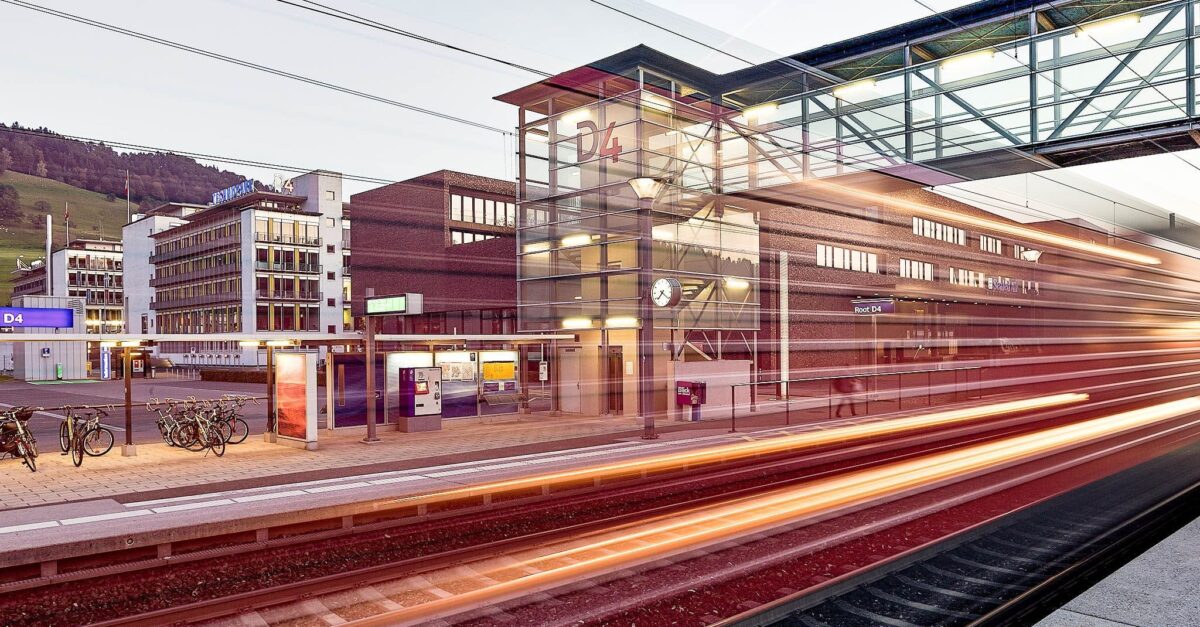
The decision was made following a three-month selection process. By the end of November 2025, Lucerne’s Economic Development Agency had received 46 applications for the ETH site. Seven sites were shortlisted and underwent an in-depth review by a delegation in January. The contract was awarded to the D4 Business Village in Root.
The ETH Zurich campus can be reached by train in less than an hour. The D4 offers space that is ready for immediate use and can be flexibly expanded. Thanks to the neighbouring Technopark Lucerne, the new centre will also be surrounded by start-ups, technology companies and a growing innovation network.
Knowledge from space for everyday life
The Swiss GeoLab brings together data from satellites, drones, measuring stations and sensors. Artificial intelligence and high-performance computers will be used to derive insights from this data for public authorities, research organisations and businesses. The project is made possible by a donation from the Jörg G. Bucherer Foundation.
An initial project is focusing on the mountains. Satellite imagery is intended to help detect rockfalls and landslides at an earlier stage. Together with the Institute for Snow and Avalanche Research and the Federal Office for the Environment, ETH Zurich aims to further develop warning systems and extend them to cover the entire Swiss Alps.
The GeoLab is also intended to help the agricultural sector refine harvest forecasts, highlight risks in built-up areas and gain a better understanding of spatial developments. The aim is to turn large volumes of data into knowledge that enables more informed decisions.
An open-door laboratory
The centre is designed to bring together research, administration, industry and start-ups. Plans include a call for proposals for research projects, for which Swiss researchers can apply. From 2027, the first teams are set to begin working on specific projects in Lucerne.
ETH Zurich aims to overcome technical hurdles and facilitate projects that would be too complex or too risky for individual stakeholders. Discussions are also underway with the Lucerne University of Applied Sciences and Arts regarding collaboration.
Construction begins in the summer
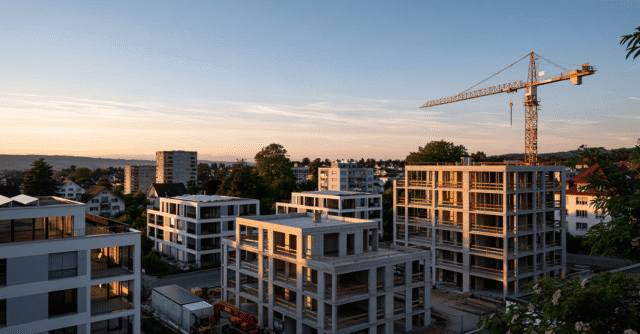
Construction of the ETH Swiss GeoLab at the D4 Business Village in Root is now underway. A core team led by Managing Director Felix Seidel is starting work, with further specialists set to join depending on the project. By around 2030, the GeoLab is expected to employ around 100 experts on a project-by-project basis in Lucerne.
The Canton of Lucerne is contributing 2.8 million Swiss francs towards the infrastructure. This gives Root the opportunity to establish itself as a place where research develops solutions to real-world challenges.
ETH lands in Root
More Articles
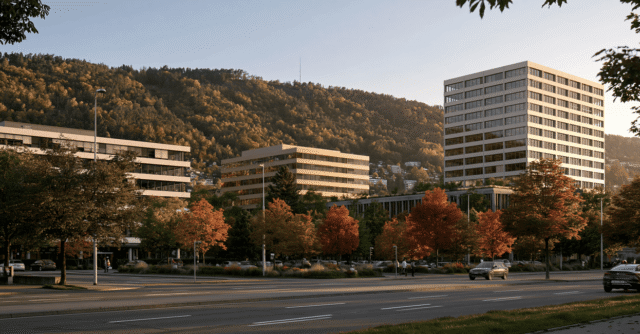
Zurich’s office campus could be converted into a residential area
The sale of the Üetlihof in Zurich is bringing one of the city’s largest reserves of residential land back into the spotlight. As long as UBS remains the tenant through…

Zurich Struggles with Age Quotas in a Tight Housing Market
In Zurich, the dispute over reserved senior housing is coming to a head. At the end of November 2026, voters will cast their ballots on an initiative calling for 20…
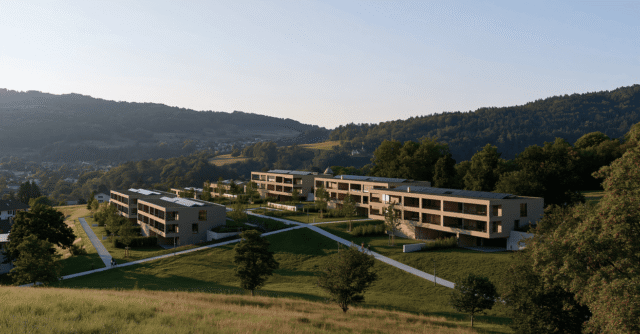
Bözberg is putting 21 houses on a hillside up for public sale
A residential project consisting of 21 single-family townhouses is currently open for public review on the Bözberg. In the Mittlerer Hafen area of Unterbözberg, plans call for three-story residential units…
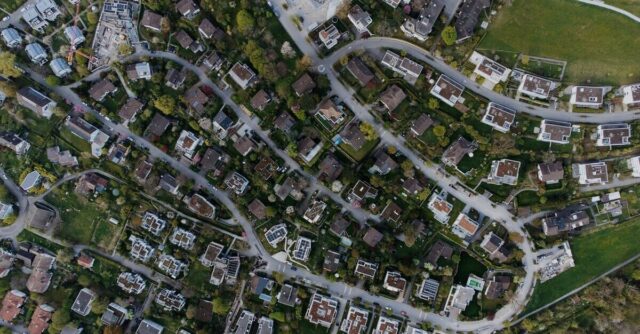
Zurich Plans a Multi-Billion Package for Nonprofit Housing Construction
The City of Zurich plans to use an expected accounting profit of approximately 2.5 billion francs to ensure the long-term availability of affordable housing. The plan calls for additional funding…
 immo!nvest+
Kreuzlingen to Get 45 New Rental Apartments
Construction is set to begin on a new residential development on Bachstrasse in Kreuzlingen.