
Cyber Risk Becomes a Top Priority
The attack rarely begins in the server room. It arrives in the inbox as a credible email, comes in the form of a phone call from a purported executive, or is disguised as a modified payment order. Swiss SMEs frequently experience cyber incidents, yet they assess their own risk as surprisingly low.
Architectural Culture as a Driver of Innovation
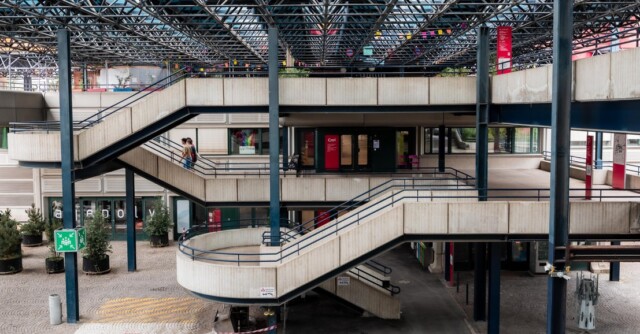
A campus is not a showcase. It is a hub for knowledge, research, and interaction. That is precisely why the new historic preservation designation for the first construction phase of the EPFL in Lausanne is noteworthy. It not only protects the concrete, the grid layout, and the spaces, but also
Stability Is a Matter of Location Policy
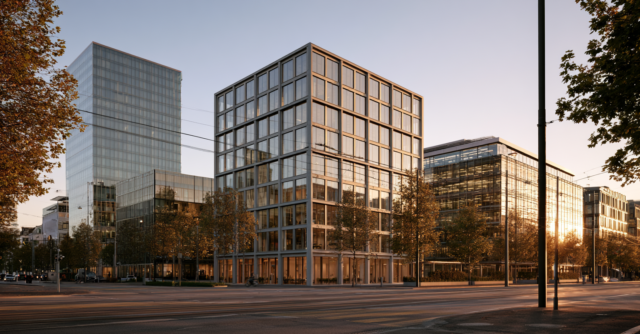
The global economy is navigating turbulent waters. Trade conflicts, military escalations, and fragile supply chains are putting pressure on companies. Yet in the canton of Zurich, the economy remains remarkably stable. The reason lies deep within the region’s profile and is particularly evident
Basel is opening up the Lindenhof site for housing and a park
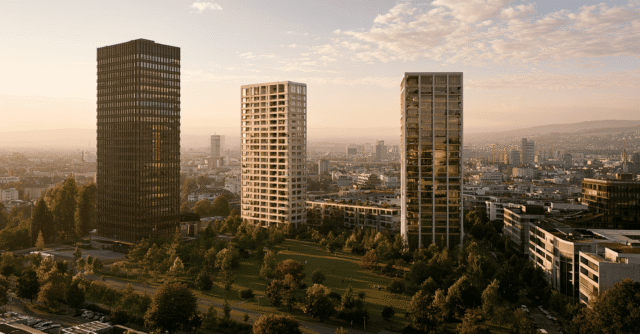
At the Lindenhof site in Basel, the transformation from an isolated corporate headquarters into a mixed-use urban block is drawing nearer. Planning permission has been submitted for two new high-rise buildings and a public park, alongside the refurbishment of the listed existing building dating
St Gallen sparks a planning dispute across the whole city
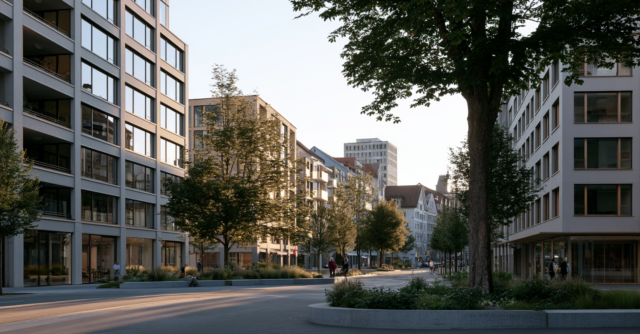
St. Gallen is putting its local planning review out for public consultation from 17 August to 16 October 2026 and opening up digital participation. For property owners, developers and neighbourhoods, this involves far more than just online comments. The negotiations will cover density, building
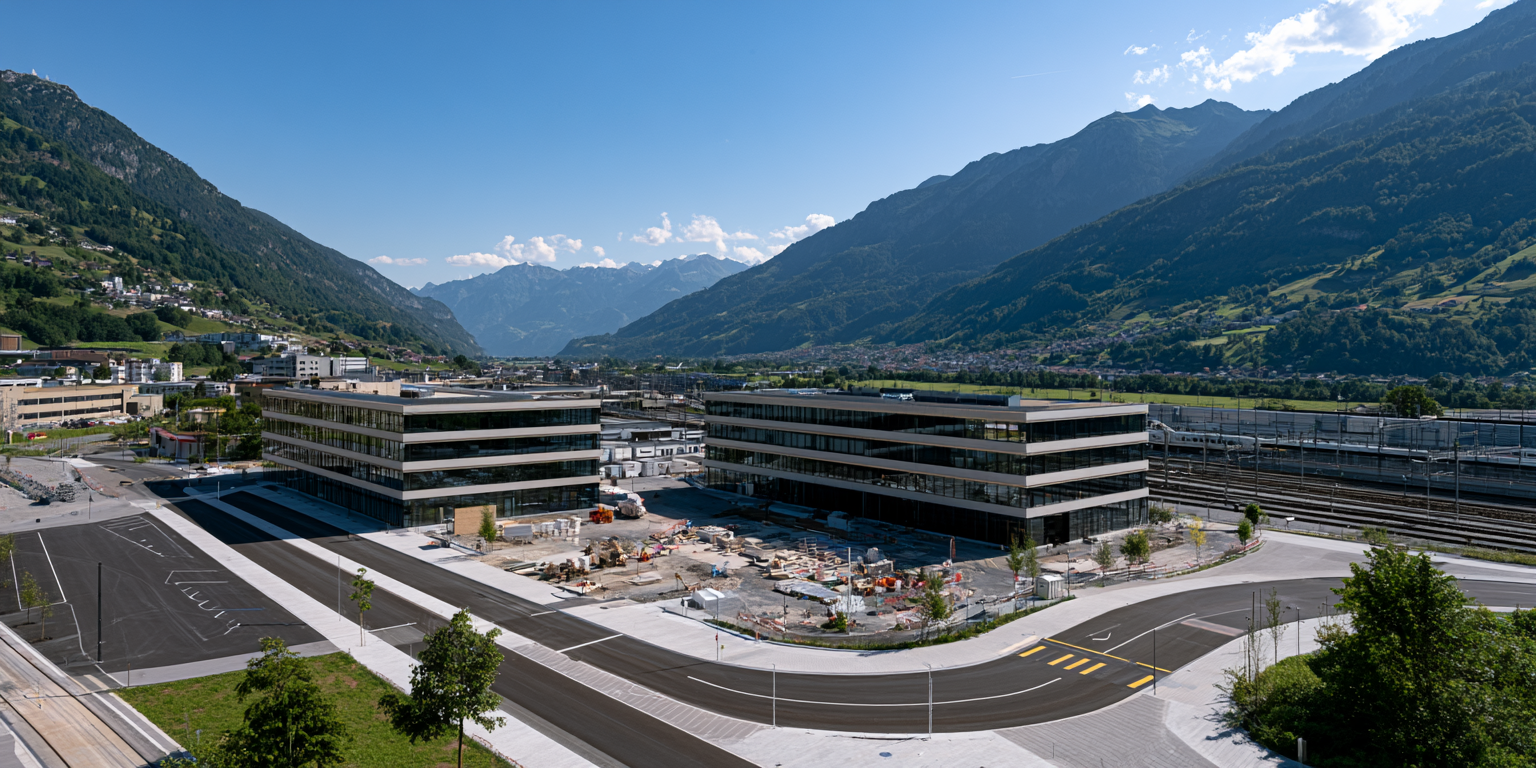
Werkmatt Uri takes the next step
In Altdorf, the Werkmatt Uri development has taken a decisive step forward. With the completion of the infrastructure works, all building plots are now ready for construction; at the same time, work is starting on Plot 11 with the Gotthard Business Park, the site’s largest building project to

| 23. September 26 - 30. September 26 | Gute Projekte. Schlechte Margen? Warum viele Planungsbüros viel leisten – und trotzdem kämpfen. |
| 25. September 26 | Besichtigung Um- und Neubau der BLS Werkstätte Oberburg |
| 28. September 26 | Immobilien vermarkten im digitalen Zeitalter |
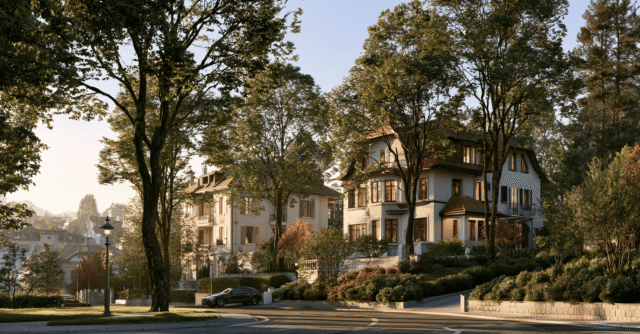
Lausanne puts the brakes on a replacement development in the upmarket residential area
In Lausanne, a housing project comprising 19 flats has been blocked on grounds relating to listed buildings and the character of the area. The city has refused to allow the demolition of two villas in the Les Fleurettes neighbourhood, thereby prioritising the protection of a sensitive ensemble of

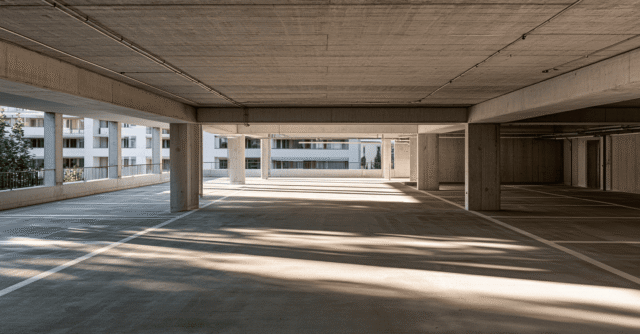
Bern Requires Residential Buildings to Have Charging Stations
The federal government is taking direct action regarding apartment buildings. A proposal released on June 19, 2026, aims to require landlords and condominium owners to install the basic infrastructure for electric vehicle charging stations when necessary. This is precisely what is sparking massive
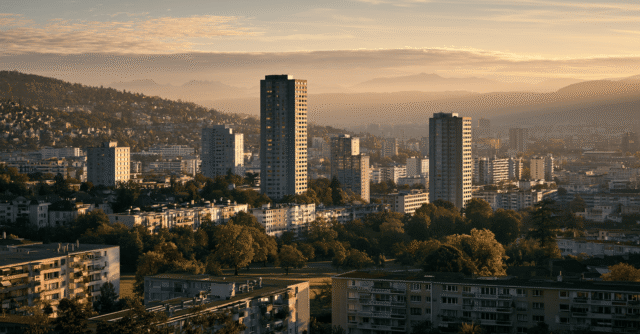
Zurich Battles Over 40 Meters and the Cost of Densification
On September 27, 2026, Zurich will vote on two new high-rise regulations. The real sticking point isn’t the very tall towers, but rather the 40-meter zones in the outlying neighborhoods. There, the logic of densification, project flexibility, and fears of displacement clash
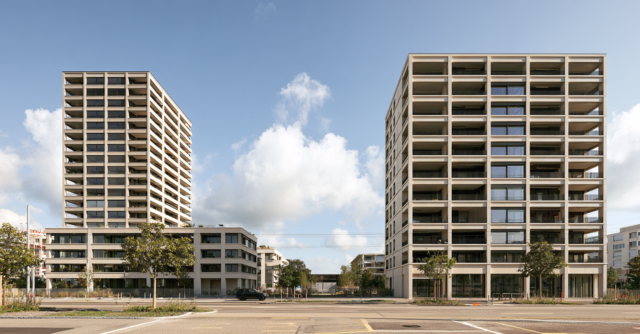
Apartment Sales Drive Basel to Another Jump in Profits
Just under 85 million Swiss francs in net income over six months, 60.8 million Swiss francs from residential sales, and a nearly sold-out project in Cham. The Basel-based real estate group’s half-year financial report shows just how strongly development gains are currently driving earnings, while
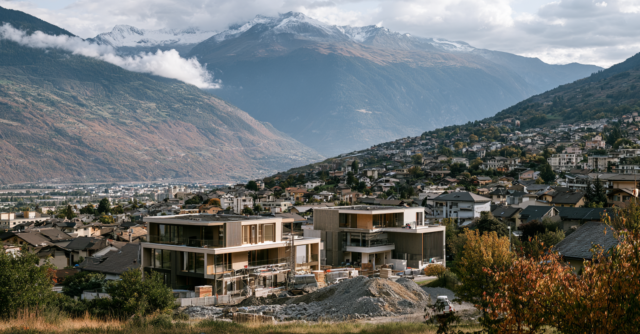
Valais Blocks Housing Cooperatives Despite Shortage
In Valais, the vacancy rate is falling, but cooperative housing construction remains at a standstill. While a project for ten families in Saillon is stuck in the approval process, the canton still lacks a clear legal framework that actively safeguards and facilitates such
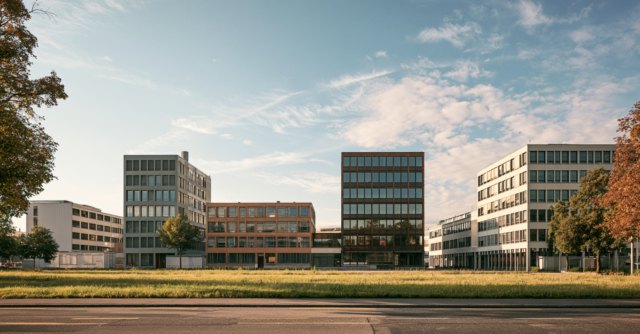
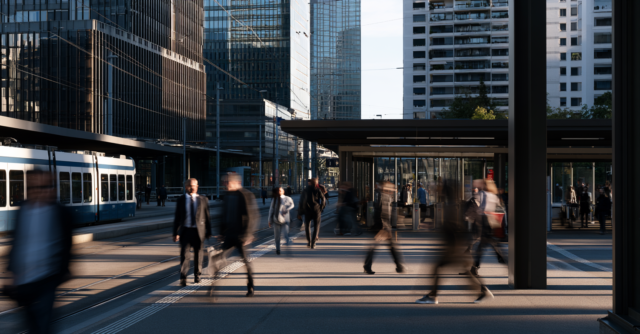
Building more flats does little to reduce commuting
Zurich and Basel are grappling with the imbalance between jobs and housing. Yet this much-cited indicator, of all things, is losing its significance. A recent analysis shows that longer commutes are only weakly correlated with the ratio of workers to
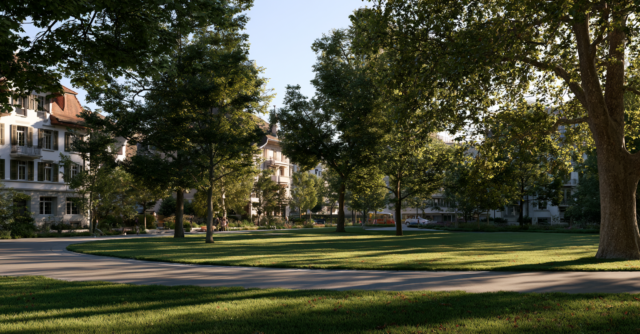
Herisau is revamping the Casinopark
A controversial redevelopment plan is currently under consideration in the centre of Herisau. The proposal for Casinopark would see the construction of flats, a public underground car park with 56 spaces, a private car park with 52 spaces and a new park. However, it is only following a public
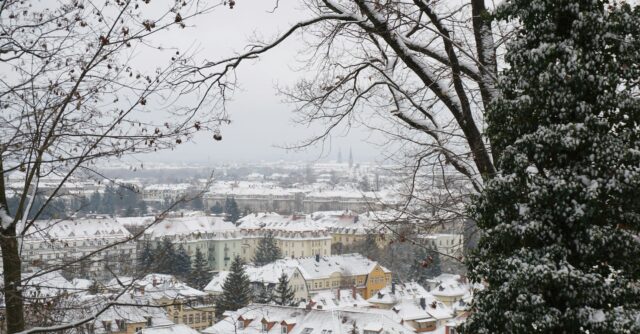
The location determines whether to use a heat pump or the utility grid
The debate over the future of heating is often driven by ideology. Municipal heating plans in Germany now paint a much more realistic picture. Heat pumps and district heating networks are expected to collectively meet just under four-fifths of heating demand by 2045. In the target scenarios
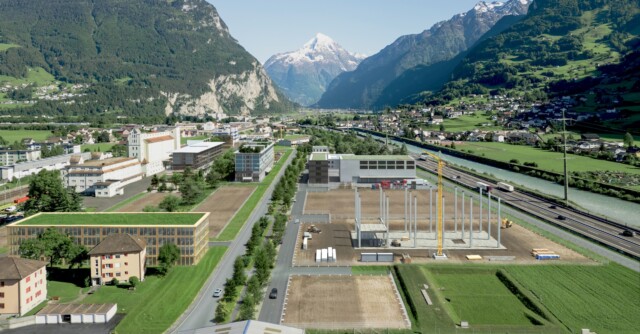
Uri is building its future
Southwest of the Altdorf cantonal train station, a reserve area is gradually being transformed into a new business hub. All the building lots at Werkmatt Uri are now developed. At the same time, the Gotthard Business Park—the largest building construction project on the site to date—is getting
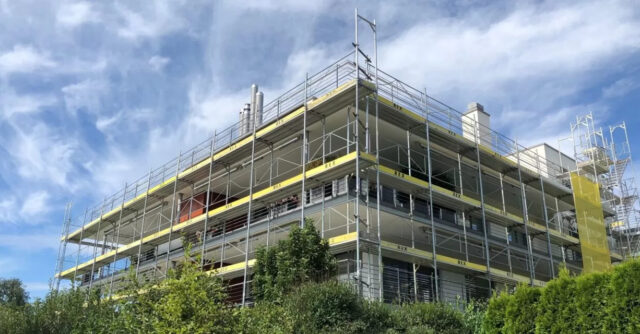
The imputed rental value is gone, but the dispute remains
The imputed rental value is being phased out. But in Zurich, this is just the beginning of the next conflict. At the heart of the matter are heat pumps, solar roofs, and insulated facades. The canton must decide whether to continue offering tax incentives for climate-friendly renovations or to

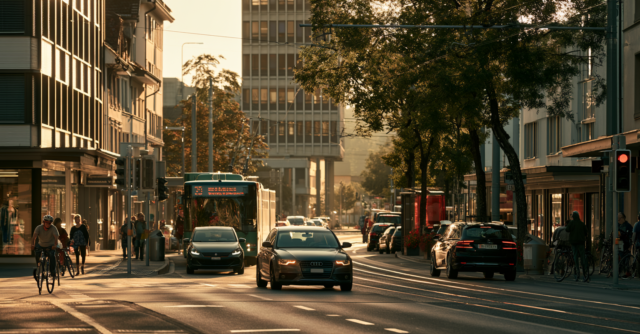
Frauenfeld’s development plan sparks opposition
In Frauenfeld, the dispute over the new municipal development plan is entering a critical phase. Business associations and a town centre association are rallying against the provisions on traffic, parking and procedures. They fear more restrictions, reduced accessibility and greater interference
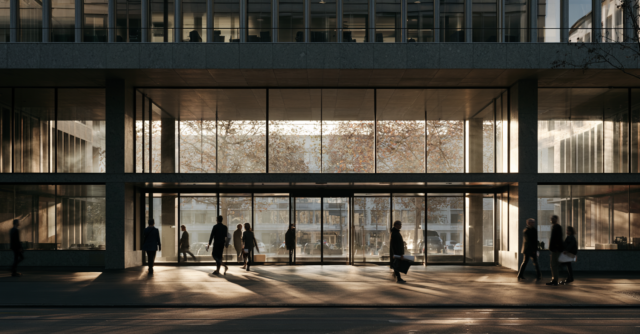
Basel’s Building Inspectorate loses its head
Basel-Stadt is pulling the plug on the Building and Hospitality Inspectorate. Following criticism of lengthy procedures and the management, the head of the inspectorate is taking early retirement at the start of 2027. For building owners, the main concern now is whether the change in leadership
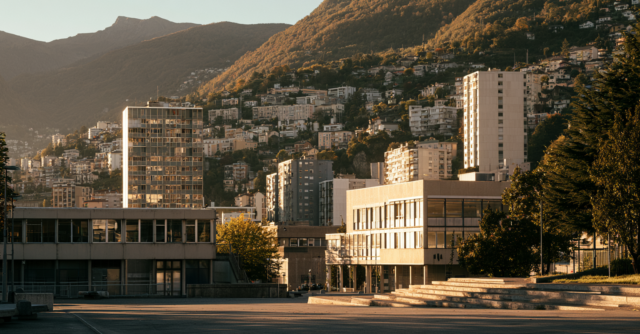
Ticino is capitalising on profits from land sales
In Ticino, the property gains tax is no longer to go solely to the canton. A parliamentary initiative calls for 40 per cent of the revenue to be channelled to the municipalities in which the sold property is situated. According to a simulation, this would have amounted to around 31.6 million Swiss
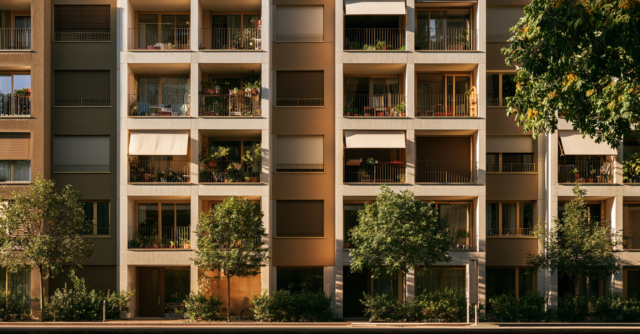
Scorching summer puts the Minergie pledge to the test
Over 60,000 certified buildings are synonymous with efficiency and comfort. Yet it is precisely during heatwaves that Minergie homes are coming under increasing pressure. The association is responding with stricter requirements for summer heat protection and is placing greater emphasis on cooling,
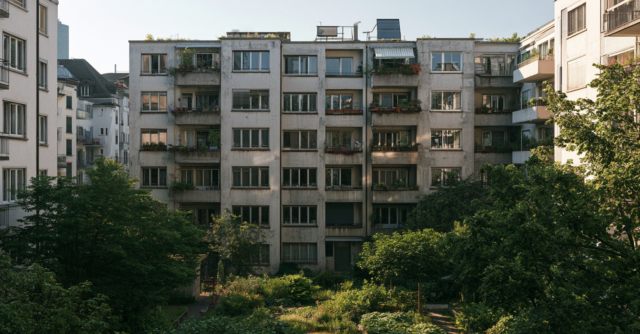
Zurich Residential Buildings Are Facing a Yield Crisis
An apartment building on Döltschiweg in Zurich, with a clear need for renovation, is on the market for 7.8 million Swiss francs. This case illustrates how the low-interest-rate environment and investment pressure are driving even weak residential properties to price levels that leave virtually no
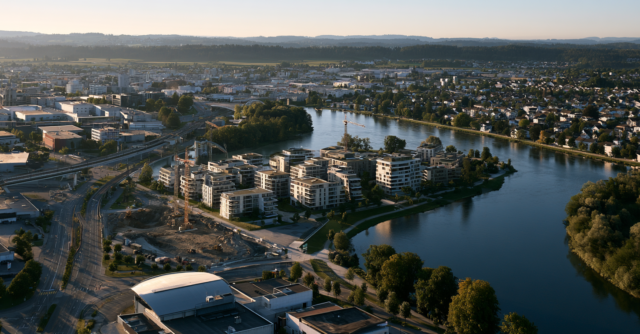
Seetalplatz is stepping up its efforts and building 344 flats
The next major step for Lucerne North is set to begin at Seetalplatz in Emmen. From September 2026, construction will begin on the Rüüssegg site to create 344 flats, commercial premises and new open spaces along the Kleine Emme. The neighbourhood is due to be completed by the end of
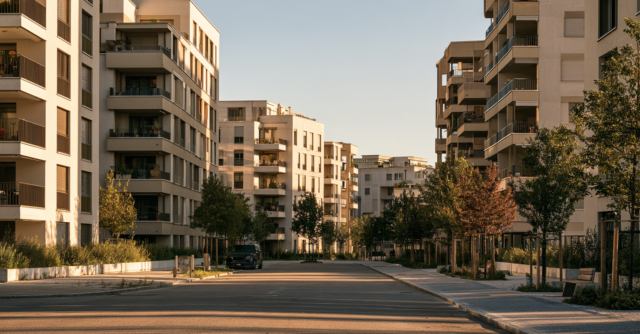
Rental market stagnates, cantons slip into the red
In Switzerland, asking rents remained virtually unchanged in July 2026, although they fell in 15 cantons. The national index remained at 134 points. This reflects a noticeable summer lull, whilst the year-on-year comparison, at plus 2.4 per cent, still does not indicate any easing of price
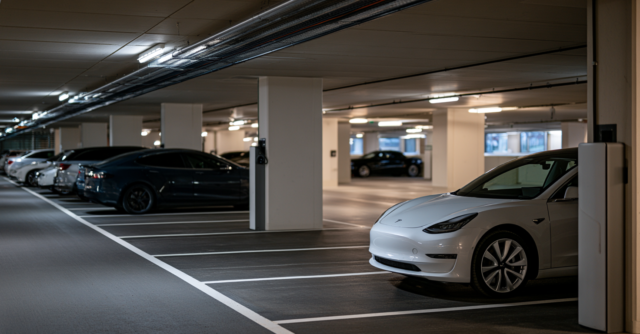
Charging regulations are putting pressure on residential buildings
Bern is taking action regarding garages and multi-storey car parks. The Federal Council wants to oblige owners of residential properties to install the basic infrastructure for charging electric cars upon request. This is precisely what has now sparked a dispute over costs, responsibilities and
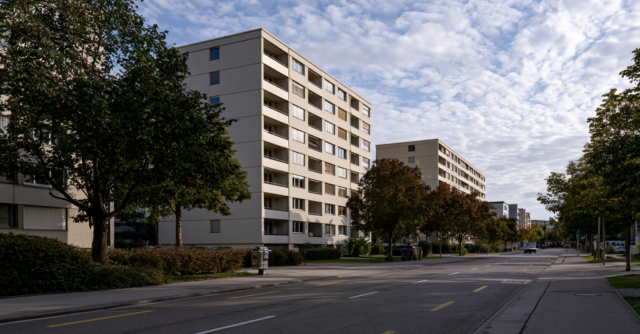
Early demolition is causing the pile of building rubble to grow even higher
Niederweningen highlights a growing problem. Residential buildings dating from the 1980s are set to be demolished, even though experts often see significant potential for renovation in precisely these properties. The environmental cost is high, as, according to the ZHAW, new buildings only recoup
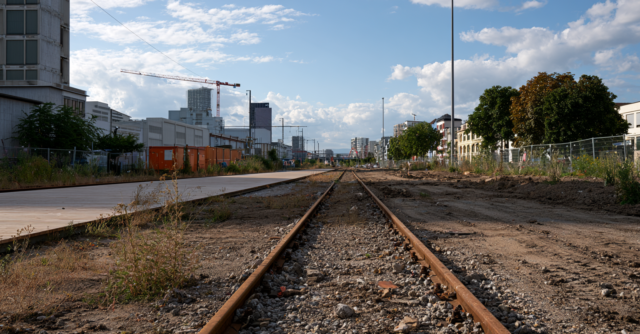
Basel is lowering a ramp into the water
Construction has begun at the Dreispitz, transforming disused railway infrastructure into a 170-metre-long natural swimming pool. The ‘Gleispool’ is costing 8.8 million Swiss francs, is due to open in summer 2027 and marks a significant step in the redevelopment of the approximately 50-hectare
Healthcare property shares are proving almost impossible to sell
Just under half of the over-allotment option was exercised following the healthcare property specialist’s stock market debut. Whilst this increases the free float to 28.8 per cent and the placement volume to 238.3 million Swiss francs, it does little to alter the dominant position of the anchor