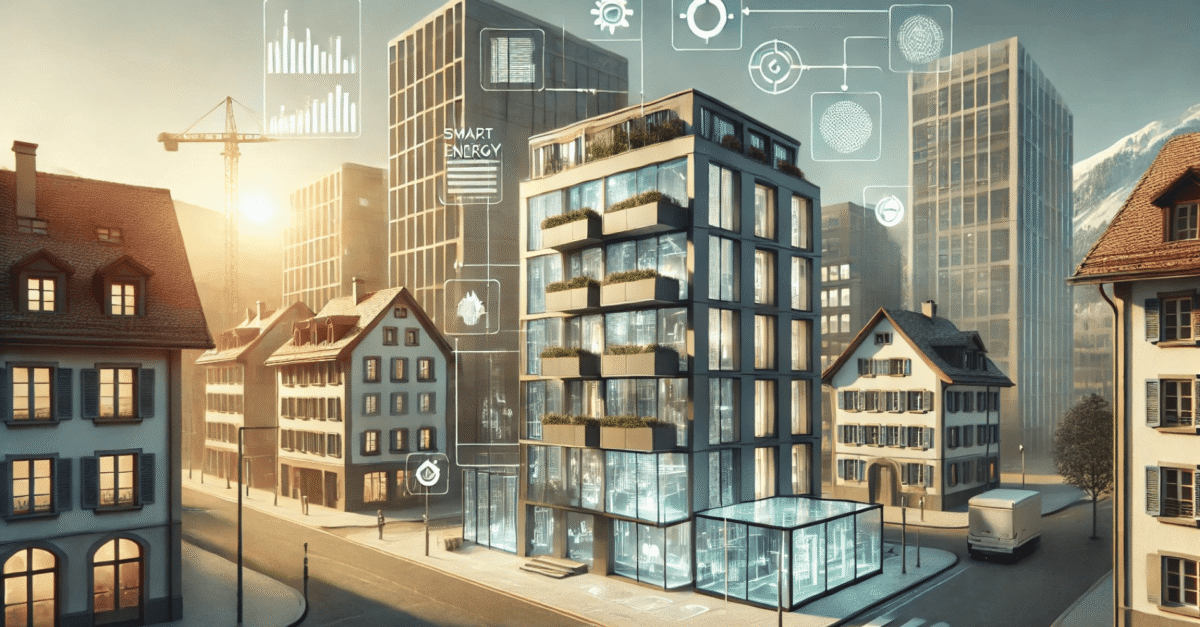
Porter, telephone operator and elevator operator – three examples of professions that used to be essential for the operation of buildings, but are now largely extinct. Access control, telecommunications, lifts and many other areas have long been automated. With digitalization, real estate is increasingly developing in the direction of “smart buildings”. A look at building automation shows what benefits this can bring and to what extent it also poses challenges.
Networking trades
Digitalization enables building automation to combine previously largely autonomous trades into a networked system. Continuous data exchange and optimized processes increase convenience for users as well as energy efficiency. In practice, however, this integrated approach is still associated with certain challenges, says Turan Babuscu, Head of Automation at Siemens Switzerland. “The coordination between the trades often takes place too late in a construction project.” This concerns, for example, the definition of interfaces and the clarification of responsibilities – topics that should be discussed as early as possible in the planning phase. “Only if integral collaboration is clearly defined from the outset can digitalization develop its full potential,” emphasizes Babuscu.
Greater efficiency, more comfort
The benefits of successful integrated building automation can be seen in operational efficiency, for example. If data is systematically recorded and evaluated, energy consumption can be reduced, faults detected at an early stage and needs-based maintenance cycles developed. The technical building systems thus require less energy and have a longer service life – two aspects that are of interest to owners and operators for both ecological and economic reasons.
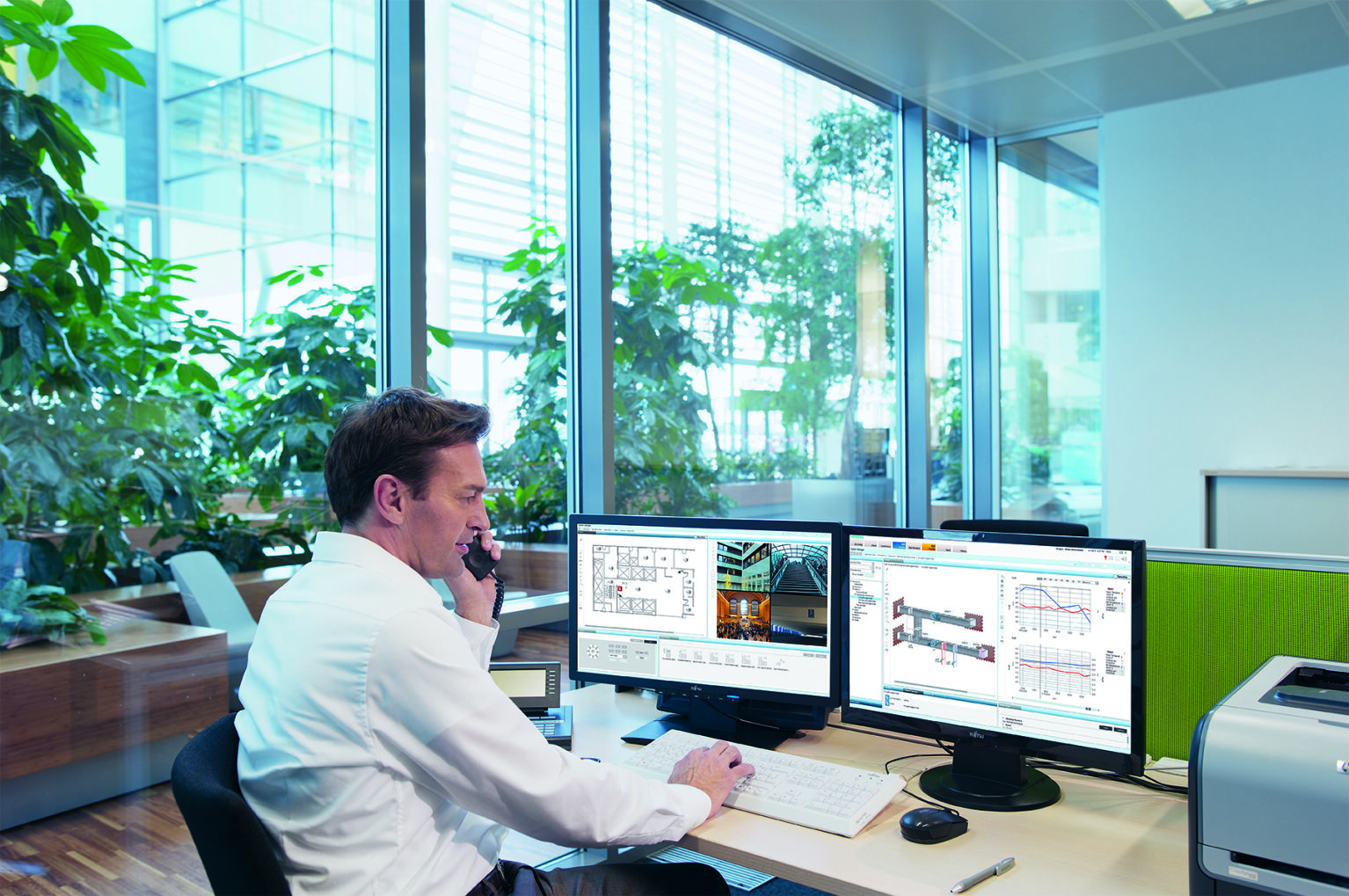
For users, on the other hand, the focus is primarily on the greater convenience that integrated building automation allows. One example of this is the adjustment of room temperature, lighting and air quality according to use, time of day and occupancy, resulting in a healthier and more productive indoor climate.
AI provides support
Babuscu predicts that the networking of different systems within a building will continue to increase in the coming years. “This requires open, secure protocols such as BACnet/SC or KNX Secure, which enable obstacle-free, encrypted communication between the trades and the cloud services.” And what about artificial intelligence (AI)? “It already has a firm place in building automation,” says Babuscu. “Many systems use learning algorithms to understand the building’s behaviour and optimize it automatically.” This development is set to continue. In future, AI is likely to increasingly make decisions itself, for example by determining the best operating strategy or the optimum time for maintenance. It is important that the use of AI is transparent, comprehensible and safe in order to gain the acceptance of those involved.
Further information:
https://www.swissbau.ch/de/c/vorteile-von-intelligenten-gebaeudesystemen.74100