Geneva launches a refurbishment programme for public buildings
Geneva plans to modernise its portfolio of public buildings over the next 13 years at a cost of 1.25 billion Swiss francs. Around 300 priority projects are set to target, in particular, the biggest energy guzzlers, thereby increasing pressure to reduce energy consumption, emissions and outdated building services.
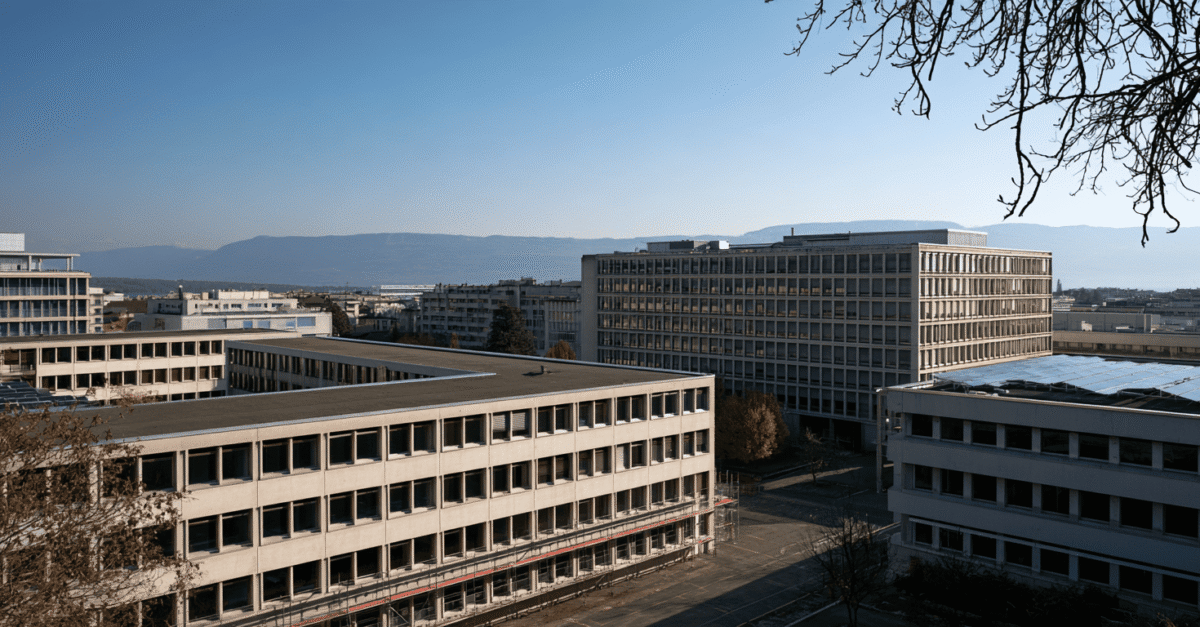

The canton presented the programme on 30 June 2026 and entrusted the implementation of a new directorate for the ecological transition programme. This unit was established in January 2026 within the cantonal building authority and is tasked with managing the approximately 300 priority projects over a period of 13 years.
The focus is on the state’s most energy-intensive properties. According to the canton, these account for almost 90 per cent of energy consumption in the relevant building stock. The funding is therefore being channelled not only into individual projects to replace technical systems, but also into building envelopes, energy efficiency improvements and, for certain properties, comprehensive internal and external refurbishments.
Schools are a priority
The education sector is particularly affected. Around half of the selected buildings are schools and other educational facilities. This is significant for the property and construction sectors because it creates a renovation market that can be planned for the long term and involves a high degree of technical complexity, ranging from building services to phased refurbishment whilst the building remains in use.
The canton estimates its property portfolio at more than 700 buildings covering around 2 million square metres. According to its organisational website, the cantonal Building Authority actually manages just under 2,000 buildings and 2.2 million square metres, as this figure also includes let properties and land within the overall portfolio. However, the programme now being presented focuses on the more narrowly defined selection of prioritised state-owned buildings.
Initial work is already under way
Several measures have already been implemented or initiated, including in the Old Town, at HEPIA Lullier, in La Praille and at the University of Bastions. Examples mentioned include refurbished heating systems and additional photovoltaic panels. At the same time, Geneva points to regulatory pressure arising from energy performance thresholds such as the heat consumption index, which may bring individual buildings into the programme as well.
With an average of around 80 million Swiss francs per year, the canton is delivering one of the largest public refurbishment programmes in Switzerland’s building stock. The next crucial step will be how quickly planning, tendering and implementation for the prioritised properties can actually be ramped up.