Between vision and reality
The prestigious Neom project in Saudi Arabia, a symbol of a technocratic future and the centrepiece of Vision 2030, is facing a significant course correction. The planned mega construction of "The Line" has been dramatically shortened and further expansion has been largely halted. Financing bottlenecks, political restructuring and a lack of international investment are leading to a radical reorientation of the billion-euro project.
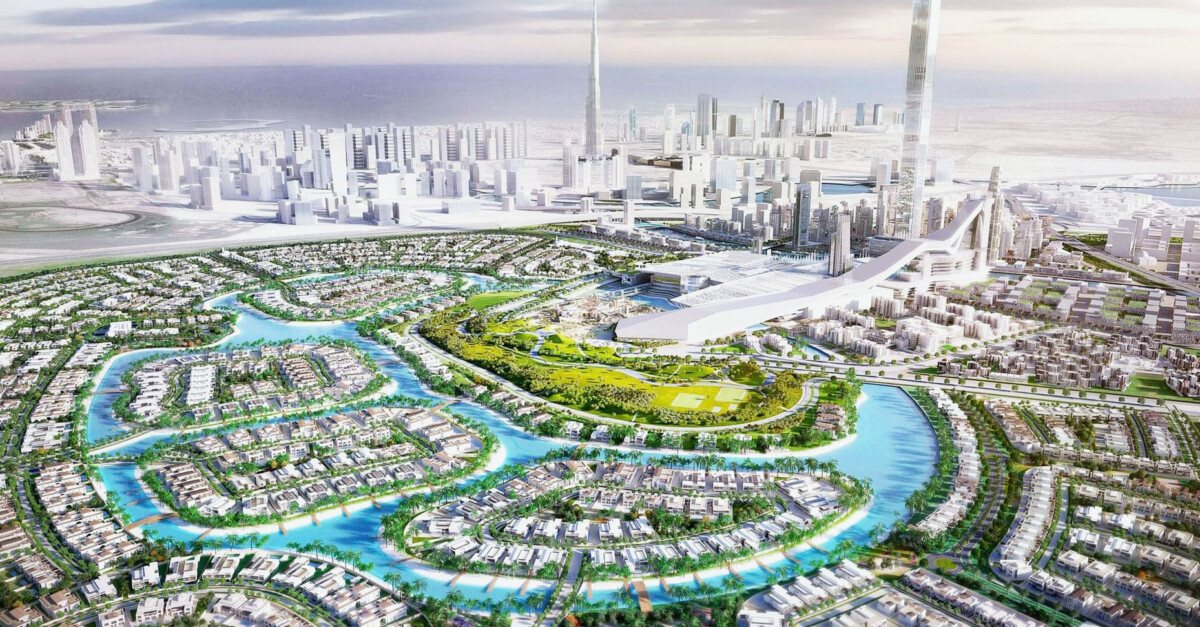
Neom and “The Line” in particular were designed to diversify the country’s economy and create a global icon of modern urban development. The city as a 170-kilometre-long, linear megastructure without cars, powered entirely by renewable energy and urban superlatives, promised innovation and worldwide attention. However, it was announced at the end of 2024 that “The Line” would only be realised in a 2.4-kilometre section instead of the originally planned dimensions. Progress to date has been limited to access, infrastructure, initial zones and individual demonstration facilities. Little of the planned construction volume is visible in the desert.
Financial and structural challenges
The Saudi oil price is currently no longer sufficient to cover budget requirements and realise megaprojects on the scale originally planned. In the first half of 2025, the Kingdom recorded a budget deficit of around 25 billion US dollars. At the same time, foreign direct investment is stagnating, which is focussing responsibility all the more on the public investment fund PIF, whose reserves and profits have shrunk significantly in recent years. Cost explosions and operational gaps in project management have also cast doubt on the overall project. Internal studies now estimate the total cost of “The Line” at up to USD 8.8 trillion, many times more than ever before assumed.
Division and redistribution
The construction freeze not only meant that thousands of jobs were relocated or cancelled, but also that key sub-projects were assigned to new structures. The “Trojena” area, planned as a winter resort and location for the 2029 Asian Winter Games, was placed under the supervision of the Ministry of Sport. The industrial project “Oxagon” is now assigned to the state oil company Aramco. The luxury island “Sindalah” has been under the control of the tourism conglomerate Red Sea Global since 2024. The remaining active sub-projects will reduce Neom’s total share in the Saudi sovereign wealth fund to just six per cent. The massive staff cuts and the consolidation of strategies emphasise the serious changes.
Consequences for Saudi Arabia’s future strategy
The redimensioning of the flagship project is jeopardising central pillars of Vision 2030. Neither the planned symbolic leap into a hypermodern society nor economic independence from oil are secured for the foreseeable future. Major events such as the 2029 Asian Winter Games or the 2034 FIFA World Cup are being jeopardised. With its change of course, the country’s leadership is also demonstrating a greater awareness of economic limits and realities. This is a turning point that permanently relativises the claim to global leadership roles in urban planning and innovative state development.