Densification of housing stock is unpopular with the population
According to a survey by Comparis, almost two-thirds of people in Switzerland feel the housing shortage. Experts believe that taller buildings in cities could provide a solution. However, women in particular reject this idea. Overall, 68 per cent are against increasing the density of the housing stock.
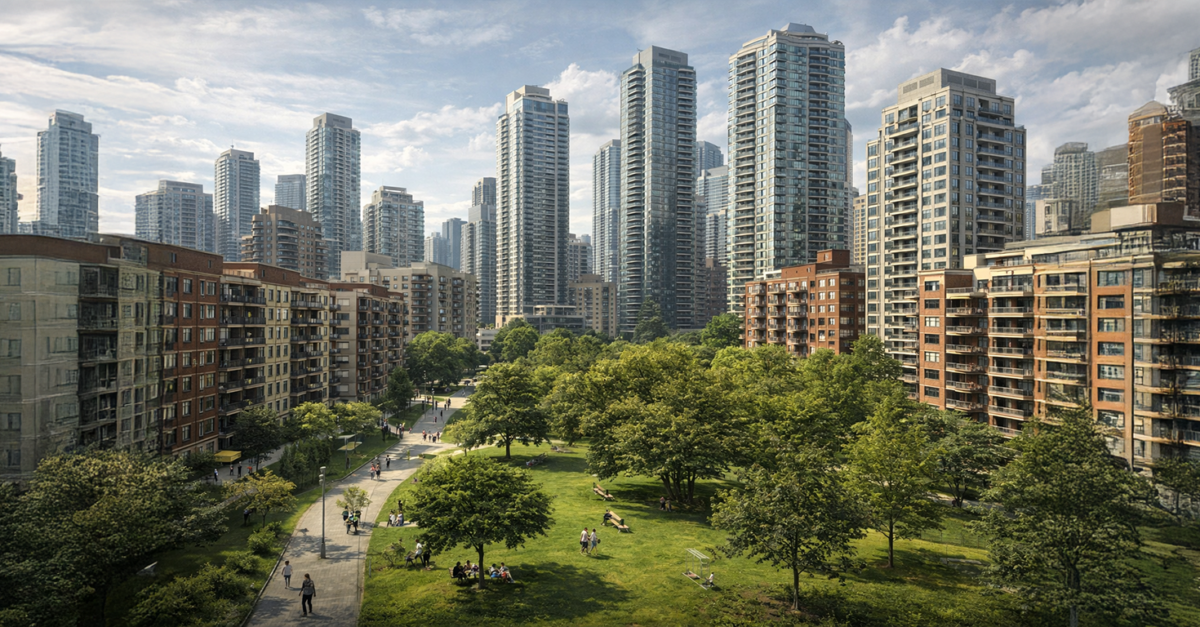

Taller buildings in cities could alleviate the housing shortage, but they are unpopular with the general public. This is according to a survey conducted by the comparison portal Comparis. According to the survey, 50 per cent of those questioned by Comparis were against the construction of taller buildings with more than six storeys. In contrast, 45 per cent of the 1,039 adults surveyed across Switzerland in November 2025 were in favour.
According to real estate expert Harry Büsser from Comparis, taller buildings in urban areas could be “a political path to more living space”. “Let’s get people in cities to take the lift instead of driving,” he is quoted as saying in a statement accompanying the study. It highlights a dilemma: rising rents affect everyone, but most people reject possible countermeasures. For example, 68 per cent of those surveyed are against densification with fewer green spaces and smaller distances between buildings. 66 per cent reject new building zones at the expense of agricultural or green spaces. Only the restriction of objections found a relative majority: 47 per cent are in favour, 43 per cent against.
The study also shows that measures to create additional living space are assessed differently depending on gender and age. While 54 per cent of men are in favour of taller buildings, the proportion of women is 36 per cent. Denser development was approved by 33 per cent of men compared to 22 per cent of women. Thirty-nine per cent of the men surveyed said yes to new building zones, compared to 21 per cent of women. Büsser suspects that the reason for this lies in different roles and activities. Women often bear the brunt of family and neighbourhood responsibilities. Changes in the living environment would therefore “probably be perceived more strongly as a loss of quality of life”.
The worsening housing shortage is particularly felt by 18- to 35-year-olds (65 per cent) and city dwellers (66 per cent). According to Comparis, this explains why the approach of building upwards met with the most approval among this group: 52 per cent of respondents in the young population group would agree to buildings exceeding six storeys. The survey also found that taller buildings are only accepted in the city centre (54 per cent). In the suburbs, only 39 per cent are in favour.