Renovation incentives secure energy targets and the construction industry
Energy-efficient renovations are crucial to achieving Switzerland's climate and energy targets. However, the current proposal on the imputed rental value threatens to slow down investment and weaken the construction industry. A new study shows how much untapped potential there is in the building stock.
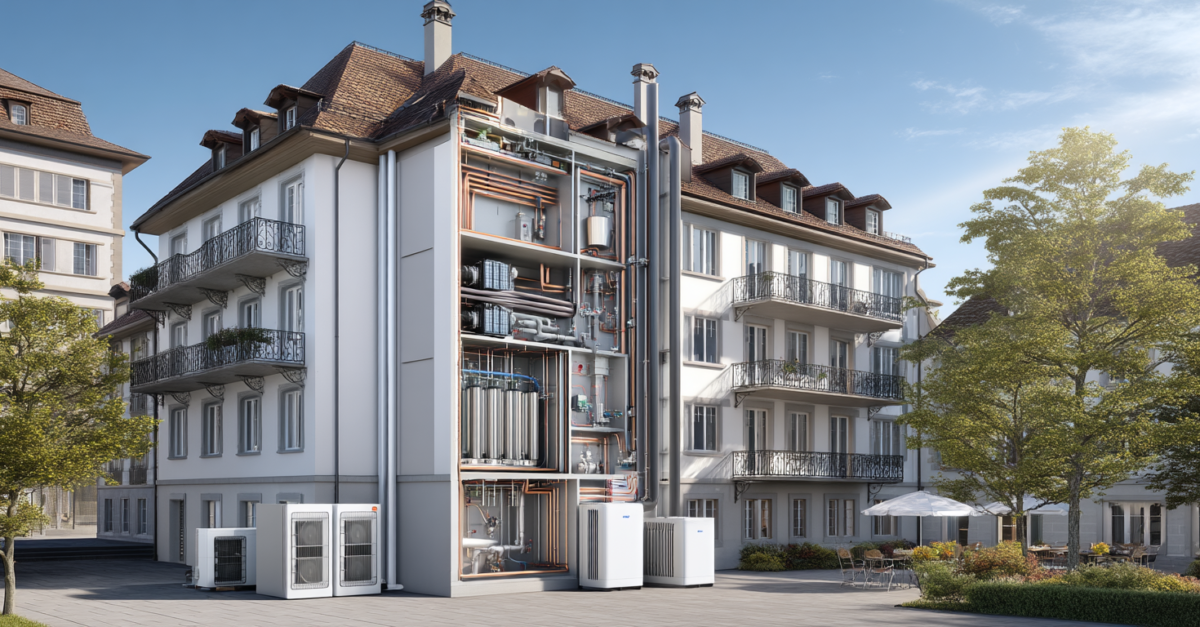
The building stock plays a key role in reducing emissions and closing the winter electricity gap. Energy modernization measures such as better insulation or the replacement of fossil fuel heating systems with heat pumps are key levers for achieving energy and climate targets. However, without targeted incentives, the necessary momentum to trigger investments on a large scale is lacking.
Criticism of the imputed rental value bill
The bill to be voted on on September 28 not only provides for the abolition of the imputed rental value, but also the elimination of deductions for building maintenance and energy-related investments. Bauenschweiz warns that this threatens to put a stop to renovations, with serious consequences for local SMEs in the construction and crafts sector and for climate protection. Instead of creating incentives, such a system change would prevent renovations, weaken the trade and place a burden on SMEs.
Study shows enormous efficiency potential
A recent study by Lucerne University of Applied Sciences and Arts and FLUMROC illustrates just how great the opportunities are. A combination of heat pumps and an optimized building envelope could reduce electricity consumption in Switzerland by 5.3 terawatt hours per year. This could cover almost ten percent of total consumption and practically close the winter electricity gap.
Switzerland is at a turning point in its energy policy. Instead of creating barriers to investment, we need framework conditions that promote energy-efficient renovations, strengthen the construction industry and fully exploit the contribution of the building stock to the climate transition.